Fitness
Cheap vs Expensive Pickleball Paddle
At $40 you get a paddle. At $120 you get a face that behaves the same on shot four hundred as it did on shot four.
By Brijon M. - Published October 11, 2026
The short answer
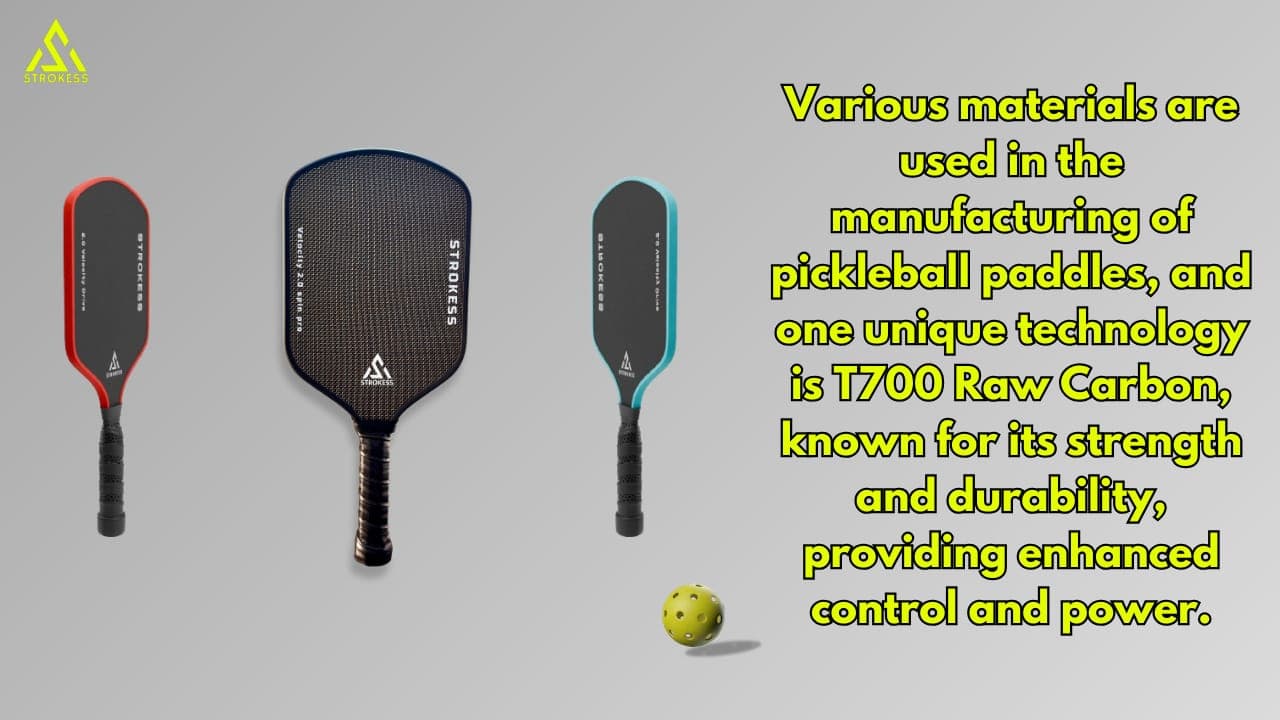
A $40 paddle is entirely adequate for learning and for recreational play, and plenty of people never need more. What price buys is consistency: raw carbon-fibre faces hold their texture and therefore their spin far longer than fibreglass, edge reinforcement reduces twist on off-center hits, and tighter manufacturing means the paddle you get performs like the one that was reviewed.
Disclosure: we earn commission on qualifying purchases made through the links below, at no extra cost to you. It never changes the order of our picks - here is how that works.
Three parts, and only one of them changes much
A pickleball paddle is a core, a face, and an edge. Understanding which part the money goes into makes the whole price ladder legible.
The core is almost always polypropylene honeycomb, and it is largely the same material at $40 as at $240. What changes with price is cell uniformity and the consistency of the bond between core and face - the budget end has more variation, and that variation is what makes a cheap paddle feel slightly different in different spots of the face. Honeycomb cores remain standard across the mid-range and budget tiers, so this is not a case of cheap material versus good material.
The face is where most of the real difference lives. Fibreglass is cheaper, stiffer and gives more power with less control. Carbon fibre - particularly raw, unpainted carbon - gives a textured surface that grips the ball for spin, and holds that texture far longer. A painted or coated budget face can feel grippy for a few weeks and then go slick.
The edge is the part recreational players notice immediately without knowing why. Budget paddles have a basic edge guard with little internal reinforcement, so a ball struck toward the tip or the side twists the paddle in your hand. More expensive paddles stiffen the perimeter, which reduces that twist and makes off-center hits land where you aimed.
What price does not buy
It does not buy legality. Any paddle you would buy for recreational or club play from a known brand is on the approved equipment list, and the approval has nothing to do with price. If you intend to play sanctioned tournaments, check the current approved list for the specific model - but a $45 approved paddle is exactly as legal as a $250 one.
It does not buy skill, and it does not buy much power for a beginner. Power in pickleball comes from the swing and from contact quality. A beginner hitting off-center half the time gains far more from a hundred hours of play than from a paddle upgrade.
It does not buy durability of the core. Cores crack from mishits against the ground and from being hit against other paddles at the net, and that happens at every price.
It does not buy a bigger sweet spot in itself - sweet spot is mostly shape and weight distribution, and elongated paddles have smaller sweet spots than wide-body ones at every price point. Shape is a choice, not a tier.
Quick picks
The short version. Tap any row to jump to the full write-up, or go straight to Amazon to check the current price.
| # | Product | Best for | Price |
|---|---|---|---|
| 1 | A fibreglass paddle set under $60 The correct purchase for learning, and often cheaper as a two-paddle set. | Buy cheap if you have played fewer than fifty games | |
| 2 | A raw carbon-fibre paddle at $90-130 The tier where the real upgrade happens, and the one most players should end up in. | Best value overall | |
| 3 | A premium paddle at $200 and up Marginal gains, properly measured, for players whose level makes margins decide games. | Buy expensive if you compete |
We do not print prices on this site. Every button opens the live Amazon listing so you see the real price at the moment you click. See our affiliate disclosure.
1. Buy cheap if you have played fewer than fifty games
A fibreglass paddle set under $60
The correct purchase for learning, and often cheaper as a two-paddle set.
- Fibreglass face, honeycomb core
- Wide-body shape, larger sweet spot
- Often sold as a set with balls
- Approved models available
If you are starting, buy here and do not think about it further. A wide-body fibreglass paddle has the biggest sweet spot available, the extra power compensates for an underdeveloped swing, and the sets that include two paddles and balls let you bring someone with you - which is how people actually keep playing.
Check the listing says the model is approved for sanctioned play if you think you may ever enter a club tournament, because it costs nothing to pick an approved one.
Expect the face texture to wear within a season of regular play. By that point you will know whether you want to spend more.
What you give up
Face texture wears smooth, so spin fades over a season. Less forgiving on off-center contact than a reinforced paddle, and unit-to-unit variation means the next one may not feel identical.
2. Best value overall
A raw carbon-fibre paddle at $90-130
The tier where the real upgrade happens, and the one most players should end up in.
- Raw carbon or T700 carbon face
- Reinforced perimeter
- Handle length options
- Thermoformed on many models
This is where the money is best spent and where the curve flattens afterwards. Around the $100 mark you get a raw carbon face that holds its texture, a stiffened perimeter that reduces twist on mishits, and manufacturing consistent enough that the paddle performs like its reviews.
The upgrade is not primarily about spin on a fresh paddle - it is about repeatability, across the face and across months of play.
Choose the shape deliberately: wide-body for a bigger sweet spot and easier play, elongated for more reach and power with a smaller sweet spot. The shape choice affects your game more than another $100 does.
If you play once a week or more, this is the right tier.
What you give up
Raw carbon faces shed their texture if you scrape them on the court, and they are not cheap to replace. Thermoformed paddles have also had durability questions around edge cracking - check the warranty before buying.
3. Buy expensive if you compete
A premium paddle at $200 and up
Marginal gains, properly measured, for players whose level makes margins decide games.
- Top-tier carbon construction
- Tightest manufacturing tolerance
- Multiple weight and handle configurations
- Pro-level approved
Above about $150 the gains are real but small, and they are the kind of small that only matters if you are already consistent. Face uniformity across the whole paddle, predictable response on every part of the surface, and configuration options - swing weight, handle length, static weight - let a competitive player tune equipment to their game.
It is also where you buy the specific feel a coach or a playing partner recommended, which has genuine value.
For a recreational player, this tier buys confidence more than performance. That is not nothing, but it should be named as what it is.
If you are deciding between this and lessons, take the lessons.
What you give up
Steep diminishing returns, and the newest premium constructions have the shortest track record on durability. Paddle technology also moves fast, so a flagship is worth noticeably less in two years.
Side by side
Buy cheap if...
You have played fewer than fifty games. Your contact point is still moving around the face, and the paddle is not what is limiting you. Spend the money on court time.
You play occasionally and socially. A fibreglass paddle that wears out in two years of monthly play has done its job.
You are buying for several people. Two reasonable paddles beat one excellent paddle if the alternative is nobody to play with.
You are not sure you will stick with it. Pickleball is cheap to try, and that is part of why it grew. Try it cheaply.
Buy expensive if...
You play weekly or more. Face wear is a function of hits, and a face that holds its texture is worth real money if you are putting in hours.
You hit with spin deliberately. If you are rolling topspin dinks and driving with shape, the face material is the equipment variable that most directly affects what you are trying to do.
You play two-handed backhands. Handle length is the specification that makes this comfortable and it is mostly available above the budget tier.
You compete, or you are chasing a rating. Consistency across the face is worth paying for when a mishit decides a point.
And a note worth stating: the thing a $230 paddle will not do is make you better. Cheap vs expensive sets out the general version of that argument across every category on this site.
Making any paddle last longer
Do not scrape it on the court. Dragging the face to scoop a low ball is the single fastest way to destroy the texture that produces spin - and on a raw carbon paddle that texture is the paddle's main feature.
Stop tapping paddles with the edge guard exposed to impact. The post-point paddle tap is a ritual; done hard, it is also how edge guards loosen and cores crack.
Replace the grip, not the paddle. A fresh overgrip costs a few dollars and transforms a paddle that has started to feel slippery and dead. Most people who think they need a new paddle need a new grip.
Keep it out of a hot car. Heat degrades the adhesive bond between face and core, and delamination is the usual end of a paddle's life.
Use edge guard tape on a paddle you intend to keep, and replace the tape rather than the paddle.
Common questions
+Is an expensive pickleball paddle worth it?
If you play weekly and hit with spin, yes - a raw carbon face holds its texture far longer than a coated one, and a reinforced perimeter makes off-center hits more predictable. If you play occasionally or are still learning, a $50 paddle is genuinely enough.
+What is the difference between a cheap and expensive pickleball paddle?
Mostly the face and the edge. Cheap paddles use fibreglass or coated composite faces that wear smooth within a season, and basic edge guards that let the paddle twist on off-center hits. Expensive paddles use raw carbon fibre and stiffened perimeters, and are built to tighter tolerances.
+Do cheap pickleball paddles wear out?
The face texture does, and that is what you notice - spin drops off over a season of regular play as the coating smooths. Cores crack at every price, usually from scraping the court or tapping paddles hard at the net.
+Are cheap pickleball paddles allowed in tournaments?
Approved models exist at every price point, and approval has nothing to do with cost. Check the specific model against the current approved equipment list for the body running the event - a $45 approved paddle is exactly as legal as a $250 one.
+Should a beginner buy an expensive paddle?
No. A beginner's contact point moves around the face, and a wide-body fibreglass paddle has the biggest sweet spot and the most built-in power. Play fifty games on a cheap paddle, learn what you want from the next one, then upgrade with that knowledge.
Sources
Read next
Guide
Cheap vs Expensive: Where Spending More Actually Pays
The four questions that predict whether a category rewards spending more - and the full map across all seven we cover.
Fitness
Cheap vs Expensive Running Shoes
The foam is the product. A full attribute comparison and the distance at which the difference starts to matter.
Best running shoes under $100
Best Running Shoes Under $100 (October 2026)
Last year's model of a good shoe beats this year's cheap one. Five picks, and why fit outranks every spec.
Category
Fitness
Trackers, dumbbells, shoes and treadmills, with the honest line on where budget gear stops being safe.
Shop by price
Under $100
The sweet spot. The only price ceiling with real search demand in all seven categories we cover.
Think we got a pick wrong, or spotted one that is out of stock or over its ceiling? Tell us - corrections go to the front of the queue.