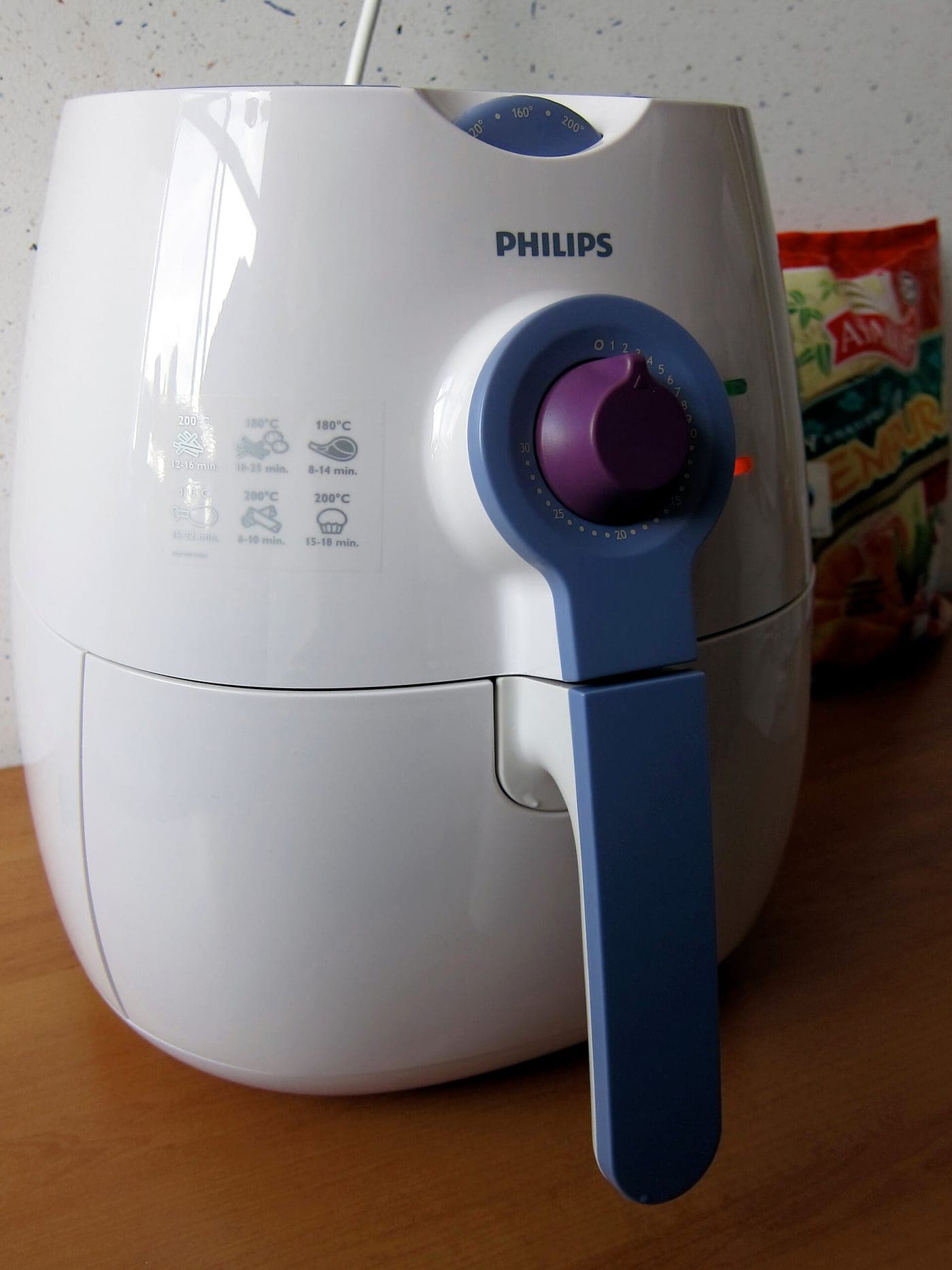
Best air fryer under $100
Best Air Fryer Under $100 (October 2026)
Usable capacity and coating durability decide this category. Five picks under $100, and the wattage myth.
Top pick: Cosori TurboBlaze 6-Qt
Kitchen
Kitchen is the category where spending more buys the least, and where the cheap option fails most predictably. Both of those are useful, and both are in here.
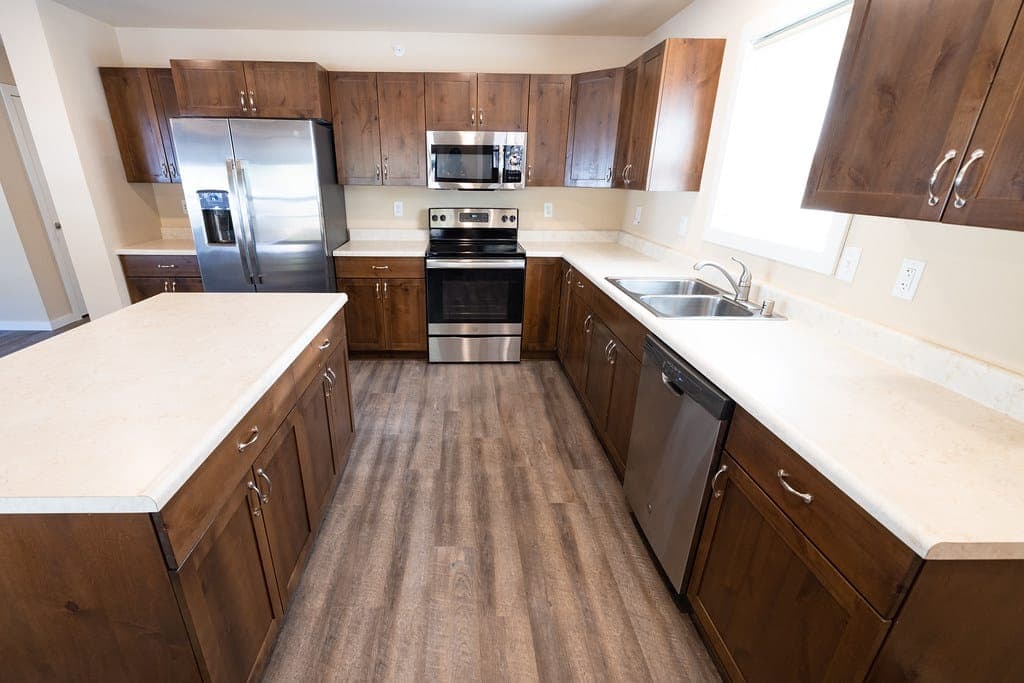
An air fryer is a small convection oven. A blender is a motor and a blade. A drip coffee maker is a heating element and a pump. These are mature, simple products, and the engineering required to make them work well has been commodity knowledge for twenty years. That is why the honest answer in most of this category is that the $80 version does the same job as the $250 version.
What the extra money buys is real, just smaller than the price gap suggests: a quieter motor, a better-sealing lid, a basket coating that survives more dishwasher cycles, and a control panel that does not confuse you. Those are comfort improvements, not capability improvements. Nothing you cook comes out meaningfully better.
There are two genuine exceptions, and both are in this hub. Espresso machines are not solved cheaply - below roughly $300 you are buying a pressurized portafilter that produces something espresso-adjacent, and the gap to a real machine is a gap in outcome, not finish. Knives are not an appliance at all; a $35 knife that holds an edge beats a $200 knife you are scared to use, but the steel genuinely differs and we say how.
The failure patterns here are consistent enough to shop by. Nonstick coatings are the number one complaint across air fryers and pans, and they fail faster on cheap products because the coating is thinner, not because the base metal is worse - which means hand-washing extends a budget product's life more than it extends an expensive one's. Plastic drive couplings are the standard failure on budget blenders and food processors: the motor is fine, the little plastic gear that connects it to the jar is not. Gaskets and seals on pressure cookers and espresso machines perish, and the question is whether the manufacturer sells replacements.
The practical takeaway is that "can I buy the part that will fail?" is a better durability question than any spec. Where a budget pick has available spares, we say so, because it changes the real cost of ownership more than wattage ever will.
Eight roundups covering the appliances and tools people actually replace.
Best air fryer under $100
Usable capacity and coating durability decide this category. Five picks under $100, and the wattage myth.
Top pick: Cosori TurboBlaze 6-Qt

Best air fryer under $50
$50 genuinely works here. Four picks, and a straight account of what you give up against the $100 tier.
Top pick: Cosori 2.1-Qt Mini
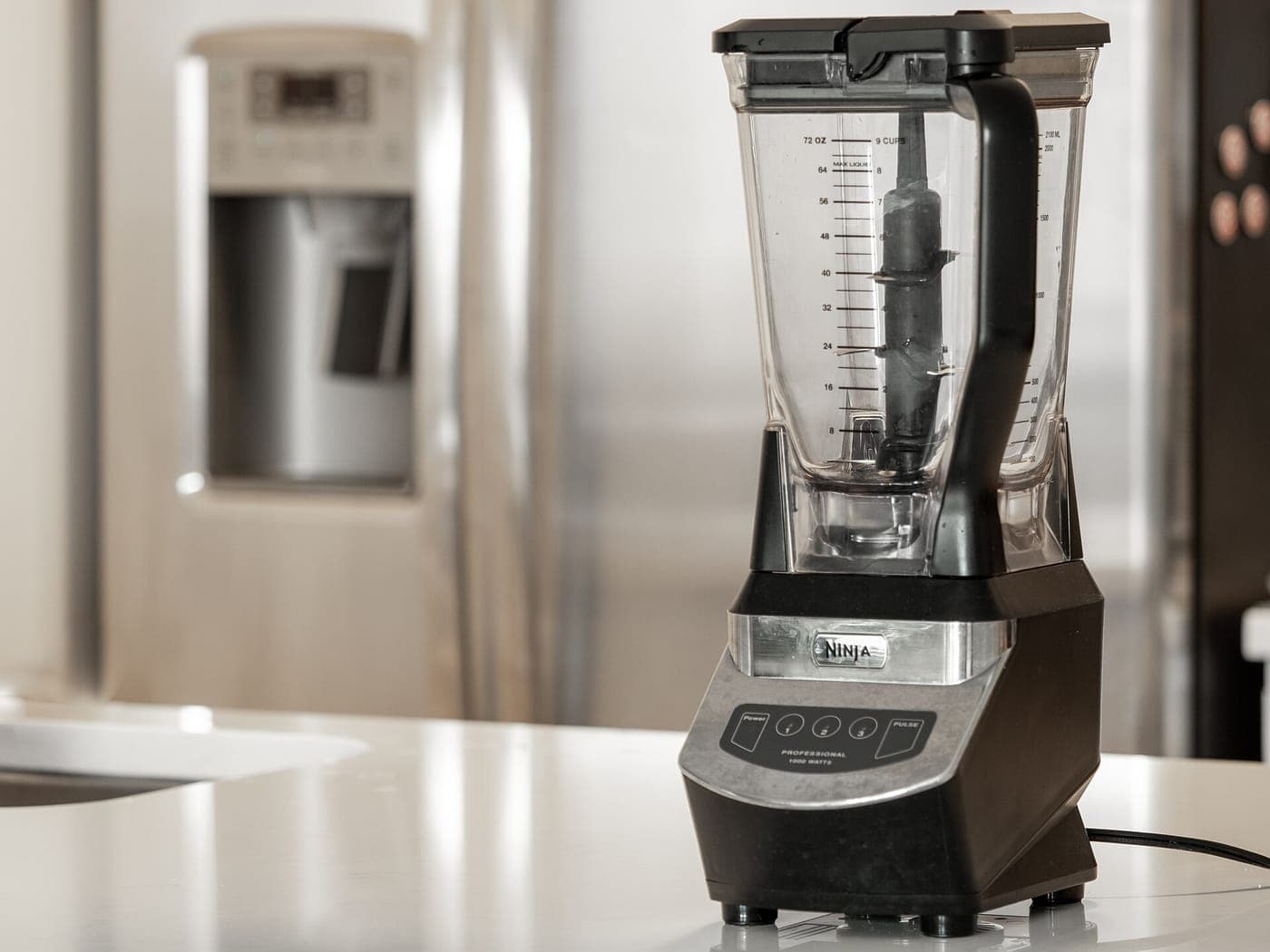
Best blender under $100
Jar shape beats wattage, and the drive coupling is what fails. Five blenders under $100.
Top pick: Ninja Professional

Best coffee maker under $100
Brew temperature explains almost everything. Five coffee makers under $100, including one that costs $25.
Top pick: Bonavita 8-Cup

Best espresso machine under $500
The one spec that separates espresso from an approximation of it. Five machines under $500, plus the grinder problem.
Top pick: Breville Bambino

Best knife set under $100
Three knives beat a fifteen-piece block. Five sets under $100, and how to spot a padded piece count.
Top pick: Victorinox Fibrox three-piece

Best chef's knife under $50
The clearest budget win on the site. Five chef's knives under $50, and why sharpening beats steel.
Top pick: Victorinox Fibrox 8-inch
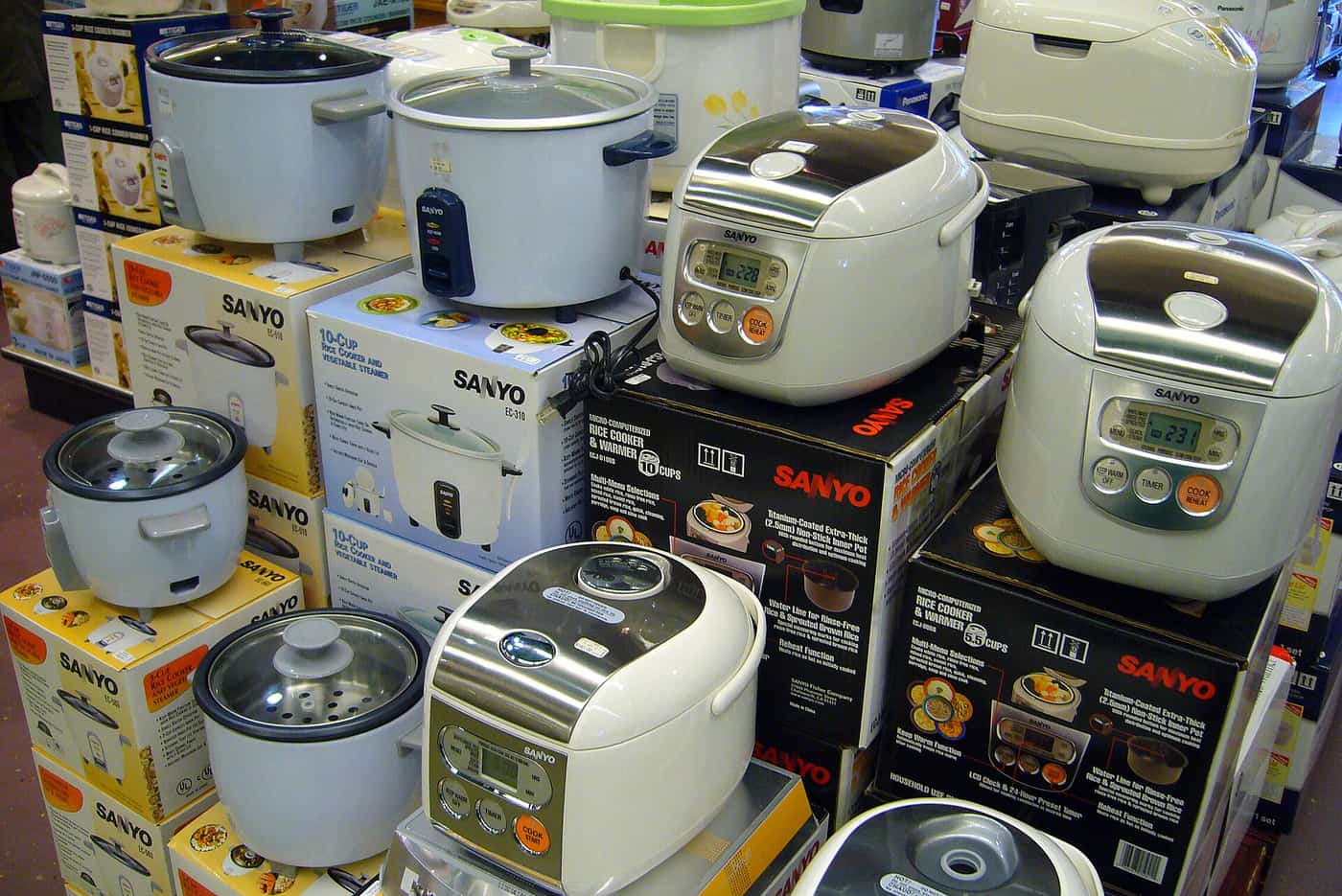
Best rice cooker under $50
A thermostat and a switch, and it works. Five rice cookers under $50 and what fuzzy logic really adds.
Top pick: Aroma Housewares 8-cup
Where the extra money genuinely goes - and where it does not.

Comparison
Same metal, different surface. A side-by-side on finish, weight and seasoning, with a verdict on each.
Top pick: Lodge 10.25-inch skillet

Comparison
Nearly identical white rice. The difference shows up in brown rice, porridge and texture control.
Top pick: Aroma Housewares 8-cup
The questions people actually ask before spending in this category.

Guide
Why cheap espresso machines plateau, what the grinder actually does, and the honest entry price.
Top pick: De'Longhi Dedica
Guide
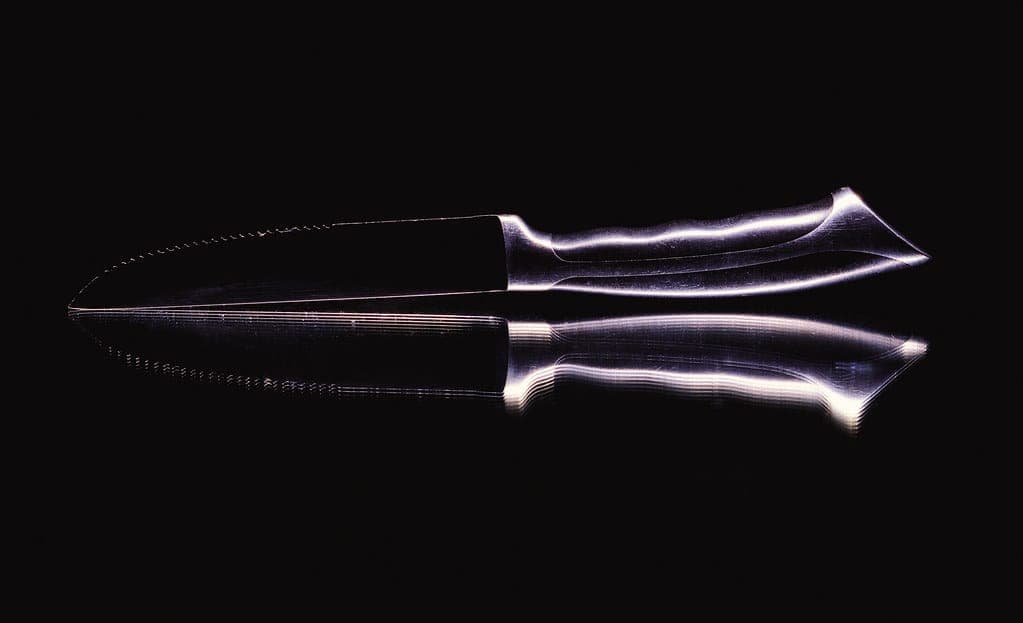
Which three knives you need, how piece counts are padded, and why sharpening beats spending.
Top pick: Victorinox Fibrox 8-inch chef's knife

Guide
Carbon steel, stainless, enamelled or oven-safe nonstick - and which recipes genuinely need cast iron.
Top pick: Carbon steel skillet
Budget kitchen appliances are marketed on wattage because it is a big number that is cheap to increase. It tells you almost nothing about results. A 1,500W blender with a poorly-shaped jar makes a worse smoothie than a 900W blender with a good one, because blending is about the vortex, not the power. A high-wattage air fryer with a small basket cooks less food, not better food.
The specs that actually predict satisfaction are capacity measured honestly (a 5-quart air fryer basket that fits one layer of fries is a 3-quart basket with a bigger number on the box), jar and basket shape, and whether the parts you touch feel like they will survive. Every roundup in this hub leads on those instead.

The impulse tier. Some categories are genuinely solved at $50; others are a false economy, and we say which.

The sweet spot. The only price ceiling with real search demand in all seven categories we cover.
Where the compromises start disappearing. Mostly appliances, furniture and bigger tech.
The serious end of budget. Laptops, mattresses, espresso machines and automatic watches.
Under $200, the honest answer is that you are buying a pressurized-basket machine that makes a thick, crema-topped drink that is not really espresso. It can be genuinely enjoyable. If you want espresso in the technical sense, the line sits around $300-$500, which is why our espresso roundup uses the $500 ceiling rather than $100.
Yes, and this is one of the clearest wins on the whole site. A well-made $35 stamped knife in decent stainless holds a usable edge and sharpens easily. What you give up against a $200 knife is edge retention and the feel in the hand - not the ability to cut. Buying cheap and sharpening often beats buying expensive and never sharpening.
Owners typically report three to five years, with the nonstick basket coating failing before the heating element does. Hand-washing the basket rather than putting it in the dishwasher is the single biggest thing that extends that, and it is free.
For fruit, yogurt and leafy greens, yes - a $60 blender handles that daily without complaint. Where cheap blenders struggle is ice, frozen fruit and nut butters, which load the drive coupling. If you make frozen drinks several times a week, that is the one case for spending more.
Carbon steel does almost everything cast iron does with less weight and faster heating, and a decent one costs less than a premium cast iron pan. Our [cast iron substitutes guide](/kitchen/cast-iron-skillet-substitutes) walks through where each actually differs, including in the oven.
Every pick on this hub is research-led, not lab-tested - here is exactly how we choose.