
Best yoga mat under $50
Best Yoga Mat Under $50 (October 2026)
Grip, thickness, length. Five mats under $50 and the sweat problem that decides between PVC and rubber.
Top pick: Gaiam Premium 6mm yoga mat
Fitness
Fitness splits sharply: the cheap option is usually fine, except where your body weight is moving at speed. We treat those two cases differently, because they are different.
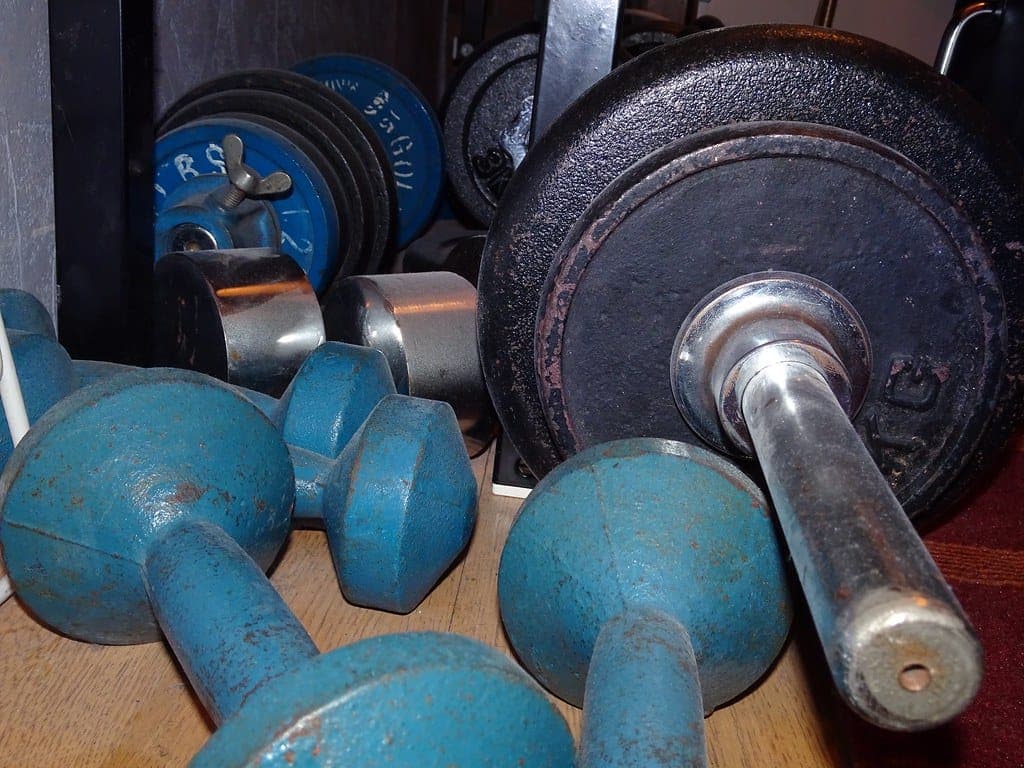
Most fitness equipment is simple, and simple products do not get much better when they get more expensive. A yoga mat is closed-cell foam with a texture - the $25 one grips as well as the $90 one and is 2mm thinner. Resistance bands are latex. A kettlebell is cast iron with a handle, and the main difference at the premium end is powder coating that is kinder to your hands.
Fitness trackers are the interesting case, because the gap narrowed fast. A $60 tracker now gives you heart rate, sleep staging, step count, a week of battery and a readable screen. The expensive ones add GPS accuracy, more validated sensors and a better app. If what you want is to know whether you moved today and how you slept, the budget tier answers that honestly. If you are training for something where pace accuracy matters, it does not.
Running shoes are the category people assume is a false economy and usually is not. Shoe satisfaction tracks fit and your gait far more than price, and last season's model of a well-reviewed shoe at half price is almost always the best value purchase in this hub.
This is the one part of the site where the stakes are higher than disappointment, and it is worth stating plainly. Adjustable dumbbells use a locking mechanism to hold plates on a handle. If that mechanism is poorly made and a plate releases mid-rep over your face, that is an injury, not a product return. Treadmills take your full bodyweight at impact thousands of times per session; a frame or deck that is not rated for it flexes, and a motor that is undersized overheats.
So the roundups for those two use higher ceilings - $200 for dumbbells, $500 for treadmills - and they lead on load rating, locking mechanism and continuous-duty motor rating rather than on features. Where the budget tier in a category cannot be made safe, our position is to say so rather than to recommend the least-bad option.
Everything else - mats, bands, bars, trackers, shoes - is a comfort and durability question, and the cheap answer is usually right.
Five roundups spanning $50 mats to $500 treadmills.
Best yoga mat under $50
Grip, thickness, length. Five mats under $50 and the sweat problem that decides between PVC and rubber.
Top pick: Gaiam Premium 6mm yoga mat

Best fitness tracker under $100
Steps and heart rate are solved at $40. What is not, at any price, and five picks that get the basics right.
Top pick: Amazfit Bip series

Best running shoes under $100
Last year's model of a good shoe beats this year's cheap one. Five picks, and why fit outranks every spec.
Top pick: Previous-generation daily trainer
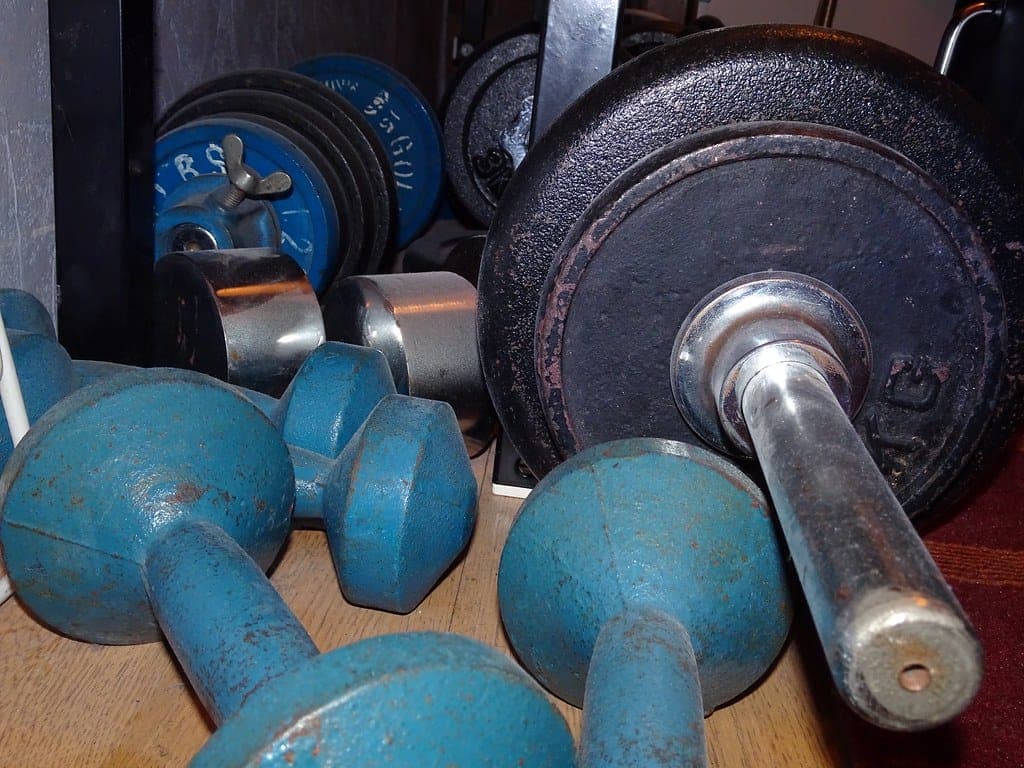
Best adjustable dumbbells under $200
Spin-lock beats cheap selectorized at this price, and the reason is a plate landing on your foot. Five picks with the safety case made plainly.
Top pick: Cast-iron spin-lock dumbbell set (52.5 lb pair)

Best treadmill under $500
At $500 you are buying a walking machine, and that is fine if you know it. Five picks and the motor spec that decides everything.
Top pick: Under-desk walking pad
Where the extra money genuinely goes - and where it does not.

Comparison
The foam is the product. A full attribute comparison and the distance at which the difference starts to matter.
Top pick: Previous-generation flagship trainer

Comparison
The cost-per-pound math, the space math, and the one training style where fixed dumbbells genuinely win.
Top pick: Cast-iron spin-lock adjustable set
The questions people actually ask before spending in this category.

Guide
Three numbers decide it: continuous horsepower, deck length, weight rating. Plus the maintenance that prevents most failures.
Top pick: Under-desk walking pad

Guide
Great scales, unreliable body-fat readings. What impedance actually measures and how to use the data honestly.
Top pick: Wi-Fi smart scale

Guide
Three tiers of reliability: measured well, measured roughly, and estimated at any price. Which features sit where.
Top pick: Xiaomi Smart Band
Not top speed, and not the number of built-in programs. The two numbers that matter are the continuous-duty horsepower rating - not peak horsepower, which is a marketing figure - and the maximum user weight, which tells you how the frame was engineered more honestly than any material description.
A treadmill rated for 220 lb that is used by a 200 lb runner is operating at the edge of its design envelope every session, and that is where the frame welds and the deck fail. Buying one rated well above your weight is the single most effective durability decision in this category, and it costs less than most people expect. Our treadmill buying guide covers the rest.

The impulse tier. Some categories are genuinely solved at $50; others are a false economy, and we say which.

The sweet spot. The only price ceiling with real search demand in all seven categories we cover.
Where the compromises start disappearing. Mostly appliances, furniture and bigger tech.
The serious end of budget. Laptops, mattresses, espresso machines and automatic watches.
For steps, heart rate trends and sleep patterns, yes - budget trackers do that competently now. Where they fall short is GPS accuracy and validated metrics like VO2 max estimates. If you want to know whether you are moving more this month than last, a $60 tracker answers that fine.
It depends entirely on the weight rating and the motor rating relative to how you use it. A treadmill rated well above your bodyweight, used for walking and light jogging, is safe. The same machine used for daily running by someone near its weight limit is not, and that is a frame and motor question rather than a brand question.
The weight measurement is accurate. The body-fat percentage is a bioimpedance estimate with a wide error margin, and it should be read as a trend rather than a number. If you understand that going in, a $35 smart scale is a genuinely useful habit tool. Our [smart scales guide](/fitness/are-smart-scales-worth-it) explains what the readings really mean.
Around $200 for a pair is where locking mechanisms become reliably solid. Below roughly $120, owner reports of plates working loose become common enough that we would not recommend them for overhead work, and that is a safety call rather than a value one.
Better for you, specifically, only if they fit your foot and gait better. There is no general performance advantage that applies to everybody. Buying last season's model of a shoe that fits well, at 40% off, is the most reliable value move in this category.
Every pick on this hub is research-led, not lab-tested - here is exactly how we choose.