
Best vacuum under $200
Best Vacuum Under $200 (October 2026)
Corded versus cordless at $200, sealed filtration, and the duty-cycle problem nobody mentions.
Top pick: Shark Navigator Lift-Away
Home
Home is where the cheap option is most often fine and occasionally a genuine mistake. The difference is almost always whether the product has a motor or supports your body.
Almost everything in this hub falls into one of two groups, and knowing which one you are shopping for tells you more than any review.
The first group is passive products: pillows, bed sheets, sunglasses, basic space heaters. These are materials and construction with nothing to go wrong mechanically, and the budget tier is frequently excellent. A $40 pillow made of the right foam supports your neck exactly as well as a $140 one; the expensive one has a nicer cover and a better story. The honest advice here is to buy on fill type and firmness, ignore the brand, and replace it when it flattens.
The second group is products with motors, filters or load-bearing frames: vacuums, air purifiers, dehumidifiers, office chairs, mattresses. Here the budget tier is a real compromise, and the compromise is usually in duty cycle rather than in day-one performance. A cheap dehumidifier pulls water out of the air fine. It just runs its compressor harder to do it and reaches end of life sooner. A cheap office chair supports you comfortably for the first year and then the gas lift sags.
Two sub-categories here have a running cost that can dwarf the purchase price, and it is the main reason a cheap unit turns out expensive.
Air purifier filters are the clearest case. A $90 purifier with proprietary filters at $55 a pair, replaced twice a year, costs more over three years than a $160 purifier with $25 filters. Any roundup that ranks purifiers without mentioning filter cost is ranking the wrong thing, so ours leads with it. Mattresses have the opposite problem: no running cost, but a return policy that varies enormously, and at the budget end a mattress you cannot return is a $400 gamble on firmness you cannot judge from a photograph.
The third is quieter. Vacuum performance degrades with filter condition far more than with motor age, so a budget vacuum with washable filters often outlives a pricier one with consumables you stop buying.
Seven roundups across the things most households replace every few years.
Best vacuum under $200
Corded versus cordless at $200, sealed filtration, and the duty-cycle problem nobody mentions.
Top pick: Shark Navigator Lift-Away
Best air purifier under $100
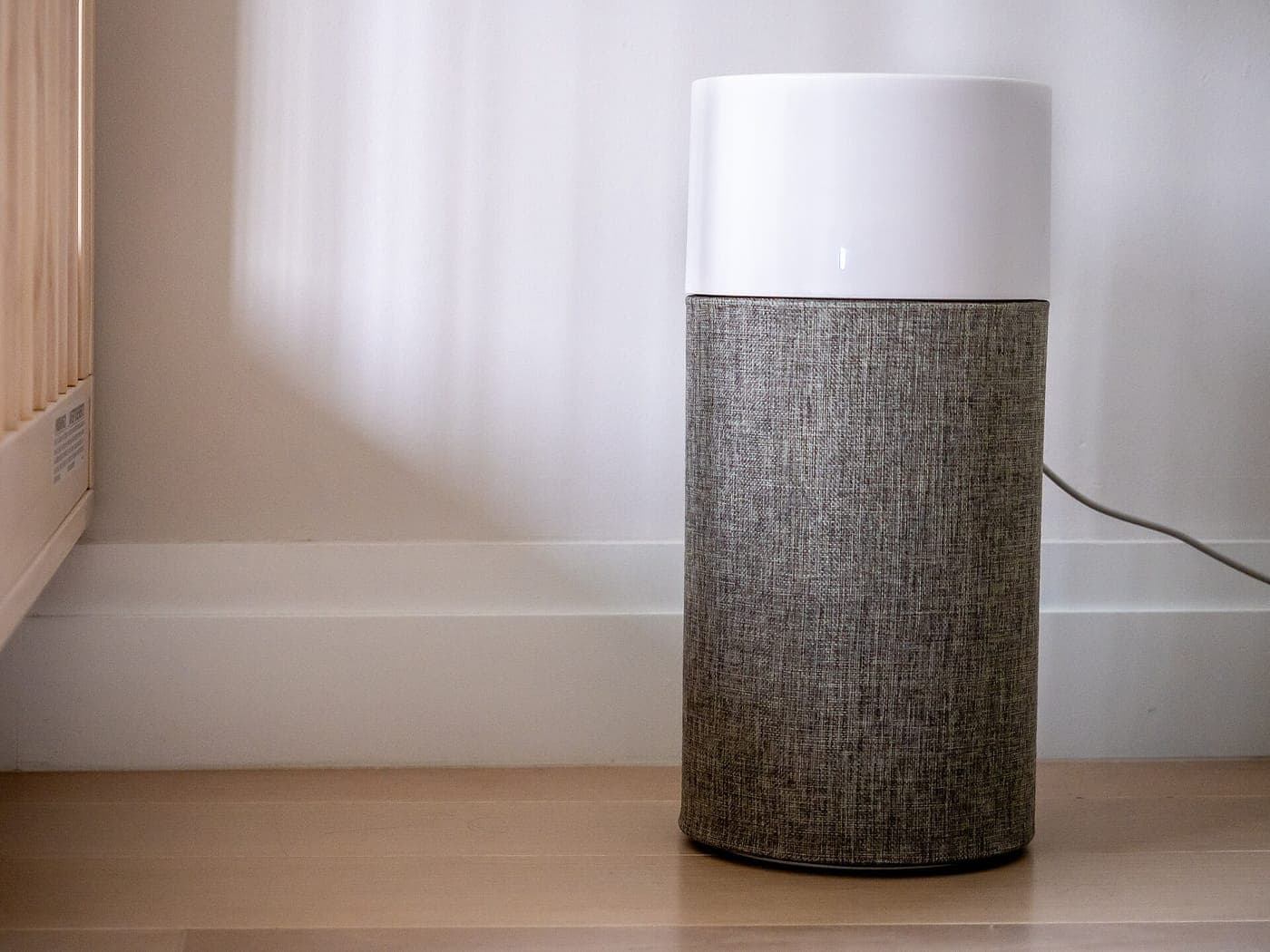
The filter is the real cost. Five purifiers under $100 ranked with three-year filter spend included.
Top pick: Levoit Core 300 / 300S

Best mattress under $500
Trial length matters more than any spec. Five mattresses under $500 and the foam density floor.
Top pick: Zinus hybrid (pocketed coil)

Best office chair under $200
What $200 buys, where cheap chairs fail, and why a used commercial chair may beat all of them.
Top pick: Hbada ergonomic mesh chair

Best dehumidifier under $200
Sizing is the whole decision. Five dehumidifiers under $200, and compressor versus desiccant.
Top pick: Frigidaire 20-35 pint compressor

Best space heater under $50
All 1,500W heaters make the same heat. The decision is delivery method and safety cut-offs.
Top pick: Lasko ceramic tower heater
Best pillow under $50
Fill type and loft beat price entirely. Five pillows under $50, chosen by how you sleep.
Top pick: Coop Home Goods shredded memory foam
Where the extra money genuinely goes - and where it does not.

Comparison
UV protection is near-free. What money actually buys in sunglasses, attribute by attribute.
Top pick: Polarized sunglasses, budget

Comparison
Which cheap alternatives genuinely remove moisture, which do almost nothing, and the free fix.
Top pick: Calcium chloride moisture absorber
The questions people actually ask before spending in this category.

Guide
Yes, with one condition about filter cost. What HEPA actually means and how to size by CADR.
Top pick: Levoit Core 300

Guide
The three predictable failures, the adjustments that matter, and why used commercial wins.
Top pick: Hbada ergonomic mesh chair

Guide
When to buy, what density to insist on, how to read a trial period, and the free options.
Top pick: Zinus hybrid
Three of the seven roundups in this hub use a $200 ceiling rather than $100, and that is deliberate rather than arbitrary. For vacuums, office chairs and dehumidifiers, the measured search demand sits at $200, and so does the point where the product stops being a compromise. Below $100 in those three categories you are buying something that works and will not last. At $200 you are buying something that works and will.
Mattresses go further still, to $500, for the same reason. If you are furnishing a room on a tight budget, the $500 picks are where the genuinely good-value large purchases live, and the $50 list is where the passive products are.

The impulse tier. Some categories are genuinely solved at $50; others are a false economy, and we say which.

The sweet spot. The only price ceiling with real search demand in all seven categories we cover.
Where the compromises start disappearing. Mostly appliances, furniture and bigger tech.
The serious end of budget. Laptops, mattresses, espresso machines and automatic watches.
A cheap purifier with a true HEPA filter removes particulates as effectively as an expensive one in a room of the right size. What you give up is coverage area, noise at higher speeds, and often filter cost. Our [cheap air purifier guide](/home/are-cheap-air-purifiers-any-good) goes through the math on three-year ownership cost.
Usually, if you sit in it full time. Budget chairs commonly fail at the gas lift or the foam within 18 months of daily use. If you work from home every day this is one of the few categories where we would tell you to stretch to $200 or buy used from a commercial brand instead.
Around $350 for a queen is where the compromises stop being cosmetic. Below that, foam density drops to the point where the mattress develops a body impression within a year. The more important variable at any budget price is the trial period, because firmness is not something you can assess in a showroom in ten minutes.
For genuinely damp rooms, a compressor dehumidifier is the only thing that moves enough water. For mild condensation, ventilation and moisture absorbers cost a fraction as much. Our [cheap alternative to a dehumidifier](/home/cheap-alternative-to-dehumidifier) comparison walks through where the line sits.
Rarely. Pillow satisfaction tracks fill type and loft against your sleeping position, not price. A $40 pillow in the right fill for a side sleeper outperforms a $150 pillow in the wrong one. Spend the effort on choosing the type, not the brand.
Every pick on this hub is research-led, not lab-tested - here is exactly how we choose.