Home
Smart Plug vs Smart Outlet
One plugs in. One is wired into the wall. The decision is mostly about whether you own the wall.
By Brijon M. - Published October 17, 2026
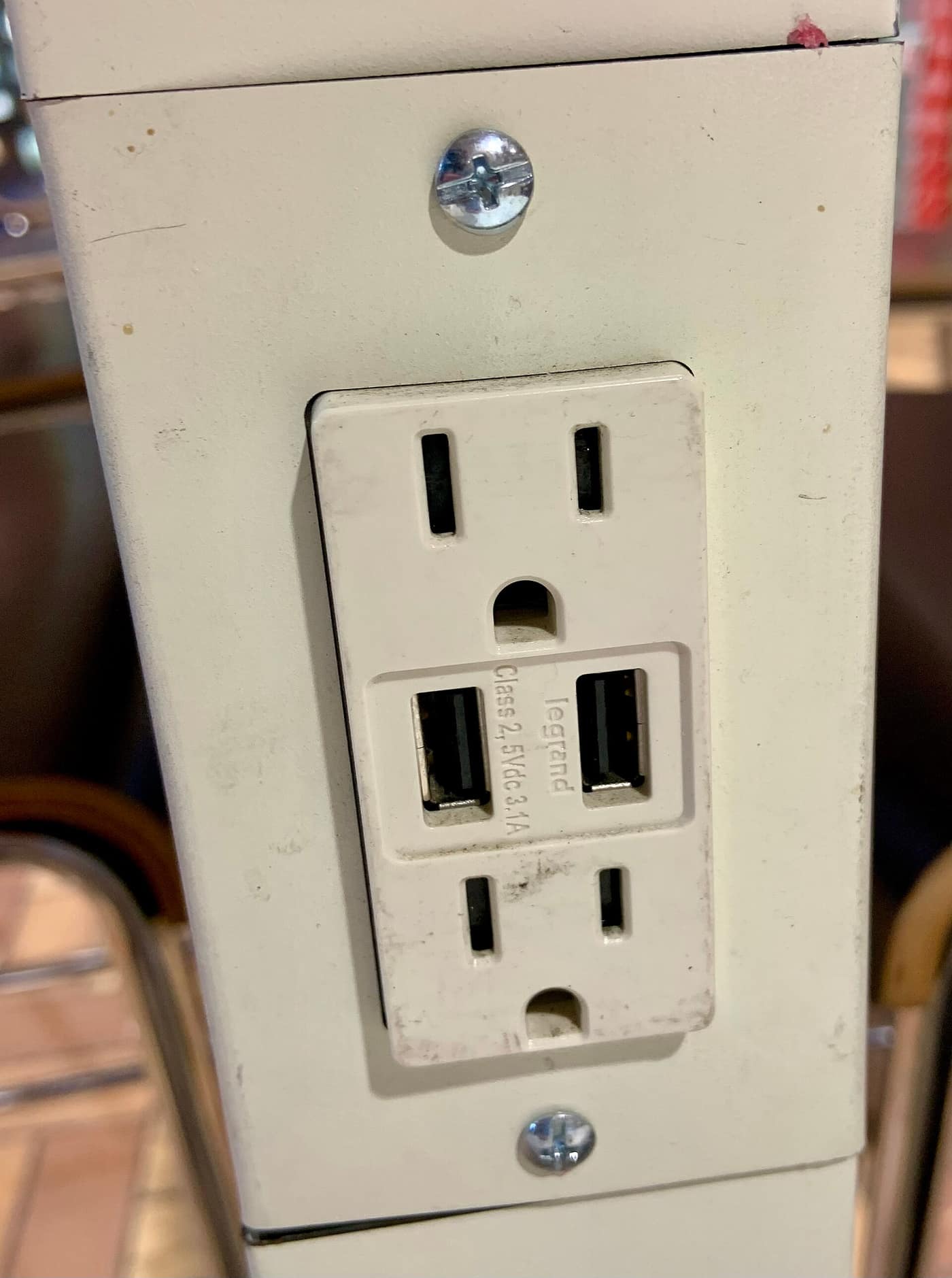
The short answer
Buy a smart plug - it costs around $10-$15 in a multi-pack, installs instantly, moves house with you and does everything a smart outlet does. Buy a smart outlet only if you own the home, the appliance is permanent, you want both sockets switched independently, and you are comfortable working inside a receptacle box or paying an electrician.
Disclosure: we earn commission on qualifying purchases made through the links below, at no extra cost to you. It never changes the order of our picks - here is how that works.
The actual difference
Both devices do the same four things: switch power remotely, run a schedule, answer a voice assistant, and - on most current models - report energy use. Nothing in that list separates them.
What separates them is where they live. A smart plug is an adapter. It goes between the wall and the appliance, takes ten seconds to install, and comes with you when you move. A smart outlet is a receptacle: it replaces the one in the wall, which means switching off the circuit at the breaker, disconnecting the existing wires and reattaching them to the new unit.
That difference drives everything else. The plug is cheaper, reversible and renter-safe. The outlet is invisible, takes up no socket space, and is permanent.
There is a third thing sometimes called a smart outlet that is really neither: a plug-in module with two or more switched sockets. It installs like a plug and is sold like an outlet. Treat it as a plug with more sockets.
- Same features on both. The decision is physical, not functional.
- Plug: roughly $10-$15 each in a multi-pack, no tools, fully reversible.
- Outlet: roughly $25-$35 each plus wiring work, invisible, permanent.
- Renting? The plug is the only correct answer.
How to read the table below
In the side-by-side that follows, the Cheap column is the smart plug and the Expensive column is the in-wall smart outlet. The price gap per device is roughly two to three times before you count installation at all, so every row is asking whether that row justifies any part of the difference.
Quick picks
The short version. Tap any row to jump to the full write-up, or go straight to Amazon to check the current price.
| # | Product | Best for | Price |
|---|---|---|---|
| 1 | TP-Link Kasa EP25 (4-pack) Slim, hub-free, energy-monitoring, and cheap enough to buy four. | The default answer | |
| 2 | Leviton Decora Smart in-wall outlet A real electrical brand, flush fit, one switched socket and one always-on. | Best in-wall outlet | |
| 3 | TP-Link Kasa EP40 outdoor smart plug Two independently switched weatherproof sockets without touching any wiring. | Outdoors, either way |
We do not print prices on this site. Every button opens the live Amazon listing so you see the real price at the moment you click. See our affiliate disclosure.
1. The default answer
TP-Link Kasa EP25 (4-pack)
Slim, hub-free, energy-monitoring, and cheap enough to buy four.
- Wi-Fi, no hub required
- Alexa and Google Home
- Energy monitoring
- Slim body leaves the second socket usable
If you are reading this page to decide, this is almost certainly what you should buy. It is the cheapest route to the whole feature set, and because the body is slim it sidesteps the main complaint people have about plugs.
Four plugs also quietly solves the outlet's "two sockets independently" advantage in most rooms - you simply use a different outlet.
What you give up
It is still a visible white block on the wall, and in a finished living room with a crowded outlet behind the TV, that is exactly the thing an in-wall receptacle fixes.
2. Best in-wall outlet
Leviton Decora Smart in-wall outlet
A real electrical brand, flush fit, one switched socket and one always-on.
- Replaces a standard receptacle
- One smart-controlled socket, one always-on
- Wi-Fi models need no hub
- Decora faceplate styling
Leviton makes receptacles for a living, which is the reason to pick them over a no-name in-wall unit. For something permanently wired into the house, a track record in the boring part of the business matters more than app polish.
The common layout - one smart socket, one always-on - is the sensible one: the lamp gets scheduled and the vacuum charger stays live.
This is the right buy when the outlet is behind a TV unit or a bed, where a protruding plug is both ugly and physically in the way.
What you give up
Two to three times the price of a plug, plus installation, plus it stays with the house. And if it fails, replacing it means the breaker goes off again.
3. Outdoors, either way
TP-Link Kasa EP40 outdoor smart plug
Two independently switched weatherproof sockets without touching any wiring.
- Weather-resistant housing
- Two independently controlled sockets
- Wi-Fi, no hub
- Alexa and Google Home
Outdoors is where the plug-versus-outlet question usually resolves itself in the plug's favor. Fitting an outdoor-rated smart receptacle and an in-use cover is real electrical work; this plugs into the existing exterior outlet and is done.
The two independent sockets also cover the outlet's best argument - holiday lights and a path light on separate schedules, with no wiring at all.
What you give up
More expensive per socket than an indoor multi-pack, and it still needs an existing outdoor outlet to plug into.
Side by side
The four situations where the outlet actually wins
You own the home and the appliance is permanent. A lamp circuit behind a built-in cabinet, a bedside outlet, the wall behind a mounted TV. Anywhere a plug would be seen and never moved.
You need both sockets controlled, separately. Two plugs rarely fit one duplex outlet physically. An in-wall unit that switches top and bottom independently solves a problem the plug genuinely cannot.
The outlet is already crowded. If a power strip and a charger are competing for the same receptacle, adding a plug makes it worse and replacing the receptacle makes it better.
The look matters and the room is finished. In a kitchen or living room you have spent money on, a protruding white block is a real objection and "it works fine" is not an answer to it.
Outside those four, buy plugs. They are cheaper, they are reversible, and your first smart-home purchase should be reversible.
If you do fit an outlet, the safety part
This is the one section of this comparison where getting it wrong is not a shopping mistake. Switching a receptacle means working on live house wiring.
Turn the circuit off at the breaker, then confirm it is dead at the outlet itself with a tester. Breaker labels in older homes are wrong often enough that trusting the label is the most common way people get a shock.
Check the box has a neutral. Smart receptacles need a neutral wire. Most receptacle boxes have one; some older installations do not, and that is a job that stops right there.
Check the box is deep enough. Smart receptacles are physically deeper than standard ones, and forcing one into a shallow old box crushes the wiring behind it.
If any of that reads as unfamiliar, pay an electrician or buy the plug. The plug costs around $12 and needs none of this, which is most of the reason this page recommends it.
What we would actually buy
A four-pack of slim Wi-Fi plugs, and then - only if a specific outlet keeps annoying you - one in-wall receptacle for that outlet. That order matters: it costs about fifteen dollars to find out whether you will use the feature at all, and most of the smart-home hardware people abandon was bought the other way round.
Our best smart plug under $50 roundup has the five worth buying, including the outdoor and Matter options. If you are kitting out a first smart home more broadly, best doorbell camera under $100 is the other purchase in this category where the budget tier is genuinely good enough.
Common questions
+What is the difference between a smart plug and a smart outlet?
A smart plug is an adapter that goes between the wall and your appliance and installs in seconds. A smart outlet replaces the receptacle in the wall and has to be wired in. They do the same things - remote switching, schedules, voice control, energy monitoring - so the choice is about installation, cost and permanence.
+Is a smart outlet worth it over a smart plug?
Only in four cases: you own the home, the appliance is permanent, you need both sockets switched independently, or a protruding plug is unacceptable in that room. Otherwise the plug is cheaper, reversible and does the same job.
+Can I install a smart outlet myself?
If you are comfortable switching off the breaker, confirming the outlet is dead with a tester, and reattaching wires to a new receptacle, yes. If any part of that is unfamiliar, pay an electrician or buy a plug - the plug needs no wiring at all.
+Do smart outlets need a neutral wire?
Yes. Smart receptacles need a neutral to power their own electronics. Most receptacle boxes have one, but some older installations do not, and in that case the job stops until an electrician runs one.
+Can renters use a smart outlet?
Generally no. Replacing a receptacle is a modification to the property and usually needs the landlord's permission. A smart plug is the renter-friendly option because nothing is altered and it leaves with you.
+Do smart plugs and smart outlets use energy when idle?
Both draw roughly a watt or less in standby, which comes to a couple of dollars a year. Neither is meaningfully more efficient than the other, so energy use is not a reason to pick one over the other.
Sources
Read next
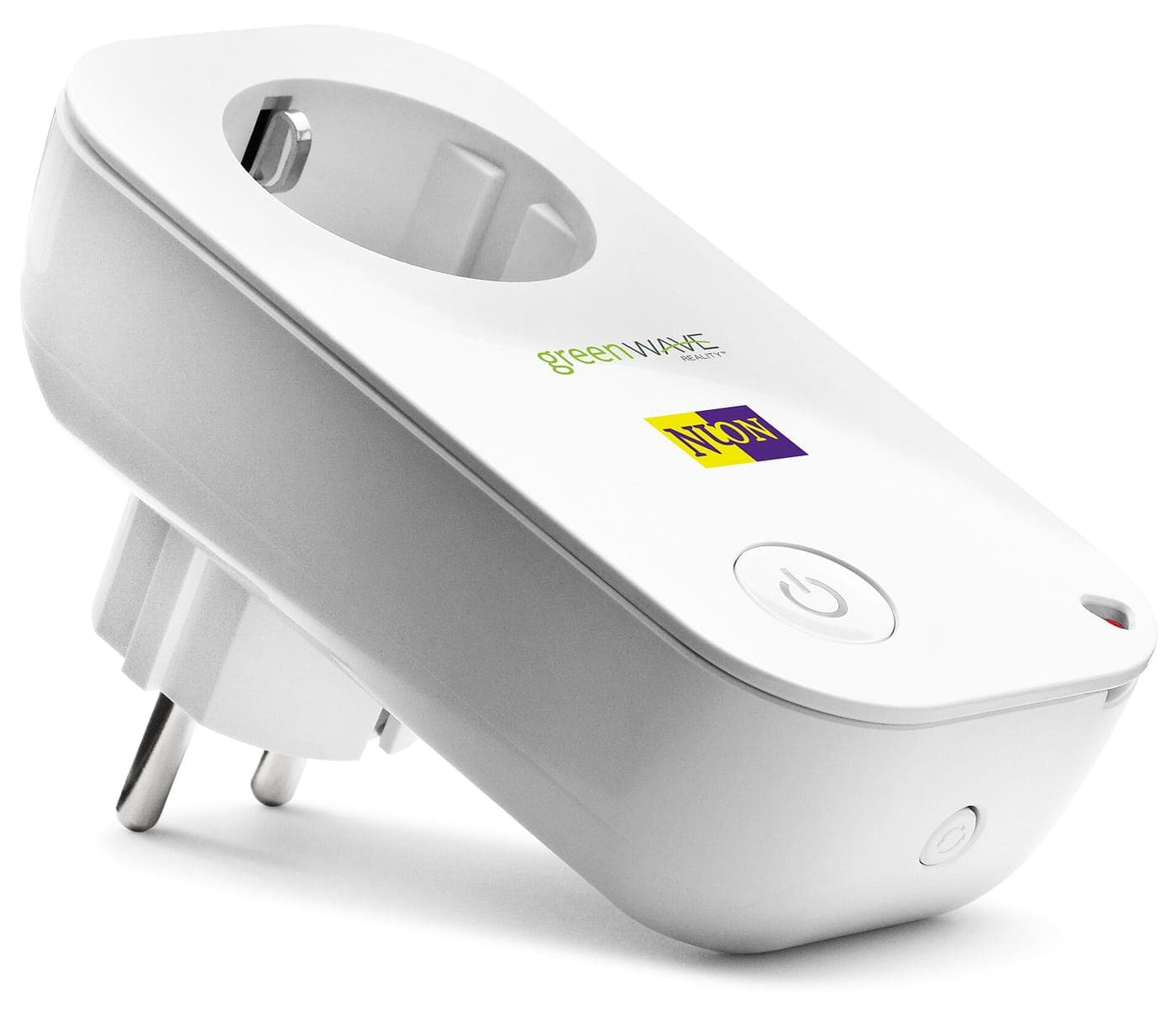
Smart plug pick
Best Smart Plug Under $50
Four-packs beat single plugs, slim bodies beat fat ones, and energy monitoring is nearly free. The five worth buying under $50.
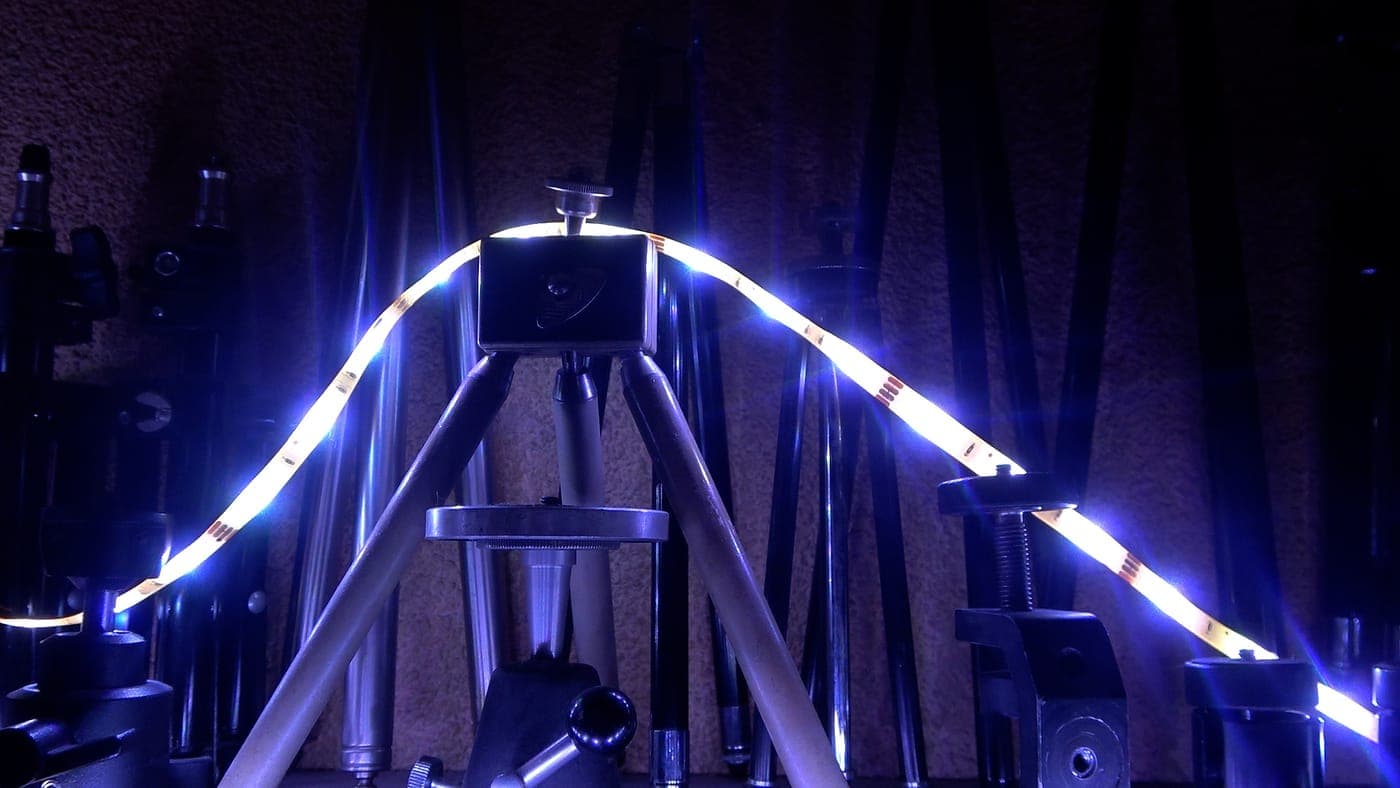
Best LED strip lights under $50
Best LED Strip Lights Under $50
RGB, RGBIC or plain white - five strips under $50, what the brightness numbers mean, and the adhesive problem nobody warns you about.
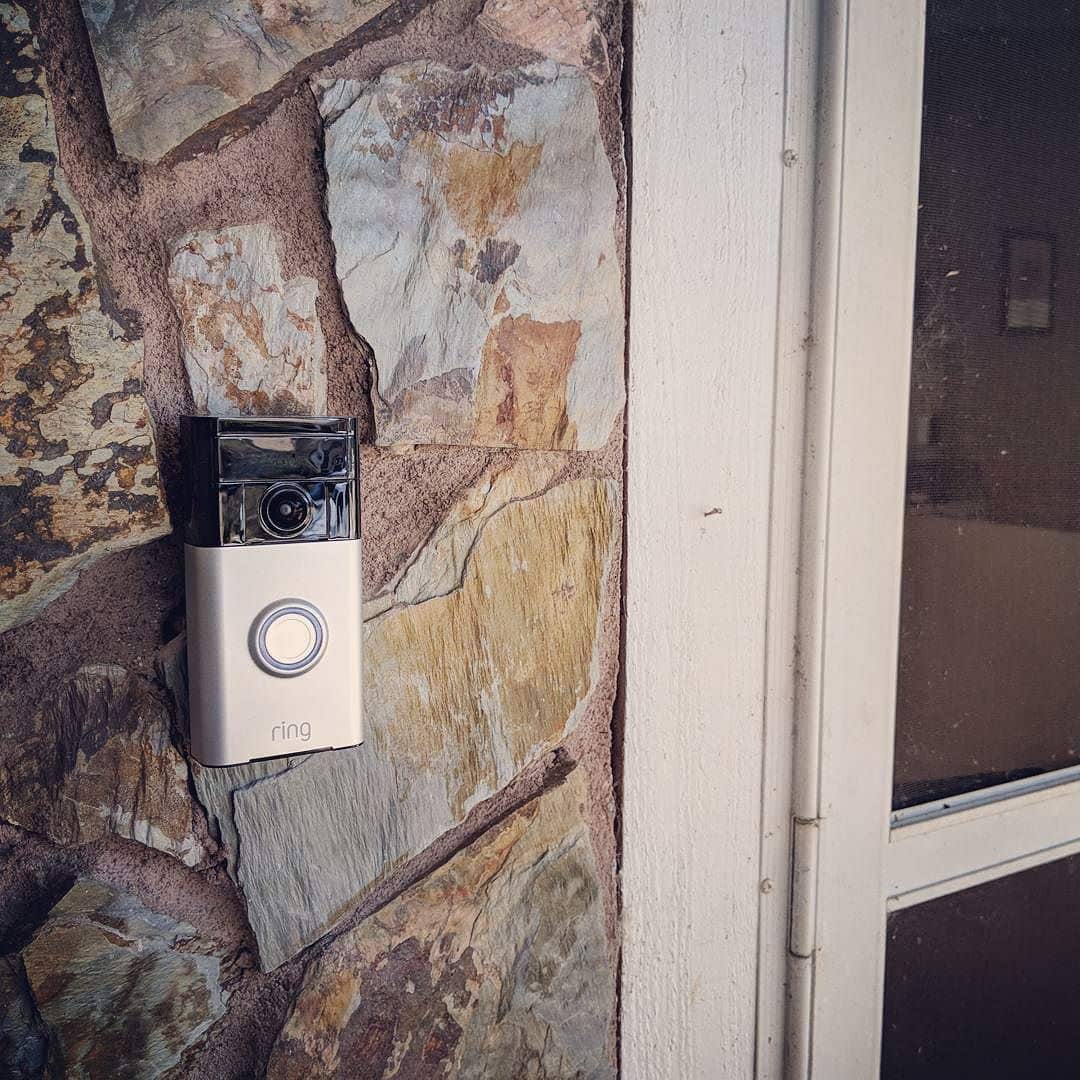
Best doorbell camera under $100
Best Doorbell Camera Under $100 (October 2026)
Four video doorbells under $100, sorted by the thing that actually costs money: whether you need a cloud subscription.
Category
Home
Vacuums, air purifiers, chairs and mattresses, judged on the two or three specs that actually matter.

Shop by price
Under $50
The impulse tier. Some categories are genuinely solved at $50; others are a false economy, and we say which.
Think we got a pick wrong, or spotted one that is out of stock or over its ceiling? Tell us - corrections go to the front of the queue.