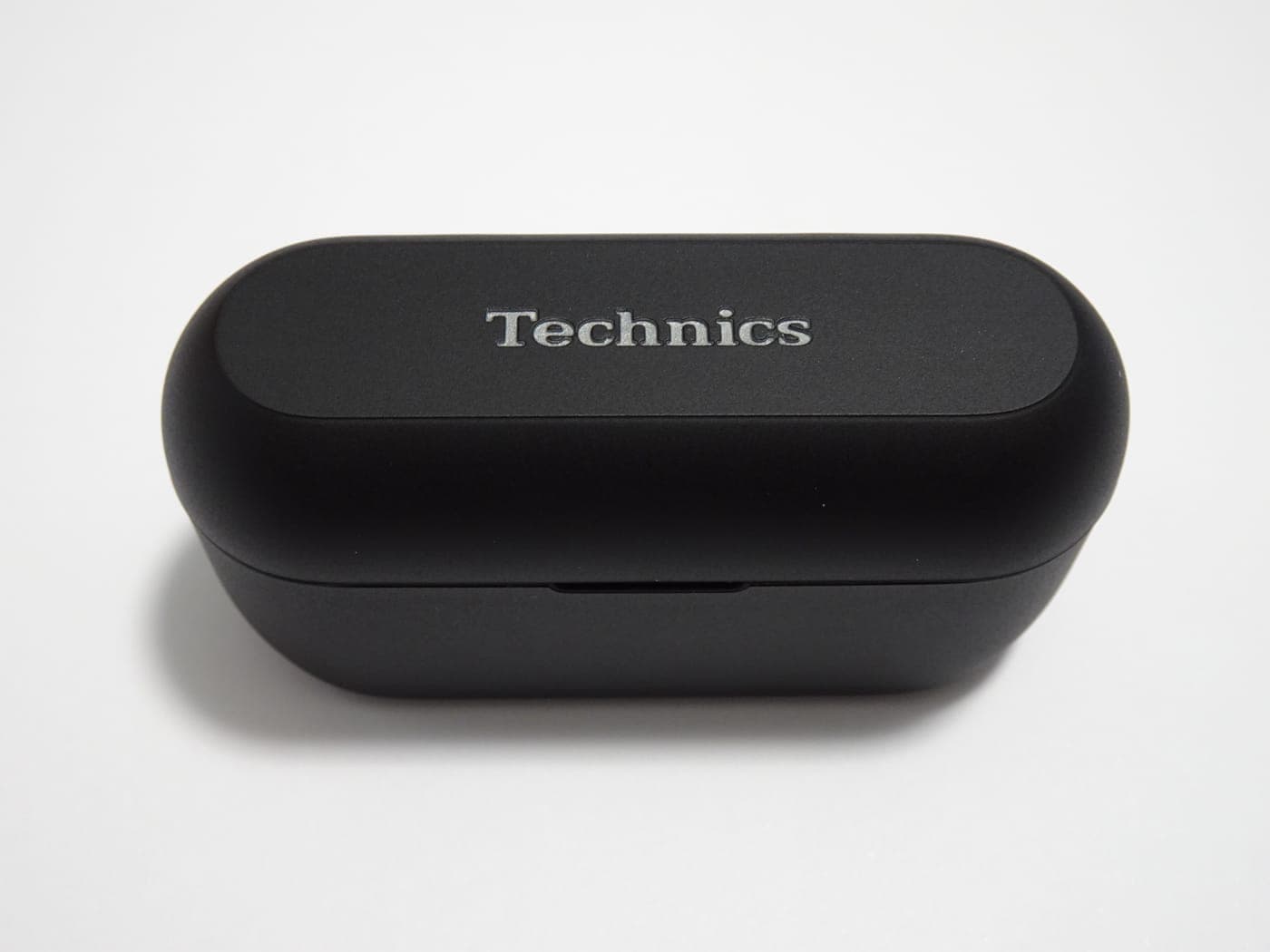
Best earbuds under $100
Best Wireless Earbuds Under $100 (October 2026)
Adaptive ANC, multipoint and 50-hour cases are standard at $100 now. Five picks, with the compromise named on each.
Top pick: EarFun Air Pro 4
Tech & gadgets
Consumer tech is the category where the gap between the budget tier and the flagship has closed fastest. These are the picks that prove it, and the handful of places it has not closed at all.

Consumer electronics is the single best category for a value hunter, and the reason is boring: the expensive parts got cheap. The Bluetooth chipsets, the ARM processors, the IPS panels and the lithium cells that used to separate a $300 product from a $90 one are now the same components, bought from the same handful of suppliers, by every brand on the shelf. What separates tiers today is firmware polish, build materials, warranty and support - not whether the thing works.
That shows up differently in each sub-category, which is why this hub is organized by product rather than by brand. Wireless earbuds are effectively solved at $100: you get active noise cancellation, multipoint pairing, a usable app and an IPX rating. Laptops are not solved at $500 - you get a machine that browses, writes and streams comfortably, and nothing beyond that. Monitors are solved at $200 for almost everybody. Robot vacuums are not, and the failure mode is expensive.
So the honest answer to "is budget tech good now?" is: in most of this category, yes, and in a few parts of it, emphatically no. Each roundup below says which one you are looking at before it names a single product.
After reading owner reports across these sub-categories, the same three complaints come back regardless of what the product is, and none of them are about raw performance.
The first is battery degradation. A cheap device with a small cell and aggressive charging behavior loses capacity faster, and in sealed products - earbuds especially - that is the end of the product's life rather than an inconvenience. The second is software abandonment: a budget smartwatch or security camera is often supported by an app that stops getting updates two years in, which can break the product even though the hardware is fine. The third is connector and hinge failure - USB-C ports on cheap laptops, charging cases on earbuds, the hinge on a $300 notebook. Moving parts and solder joints are where cost-cutting is invisible on a spec sheet and obvious after eighteen months.
None of those make budget tech a bad idea. They tell you where to spend the extra $20 when you have it, and which categories deserve a longer warranty rather than a better spec.
Thirteen roundups, each capped at a real price you can actually hit.
Best earbuds under $100
Adaptive ANC, multipoint and 50-hour cases are standard at $100 now. Five picks, with the compromise named on each.
Top pick: EarFun Air Pro 4

Best earbuds under $50
The $50 floor is better than it was. Five picks, and a straight answer on what the extra $50 actually buys.
Top pick: Soundcore Life P3i

Best ANC headphones under $100
Over-ear ANC under $100 now quiets a plane cabin properly. Five picks and the honest gap to the $350 sets.
Top pick: Soundcore Space One
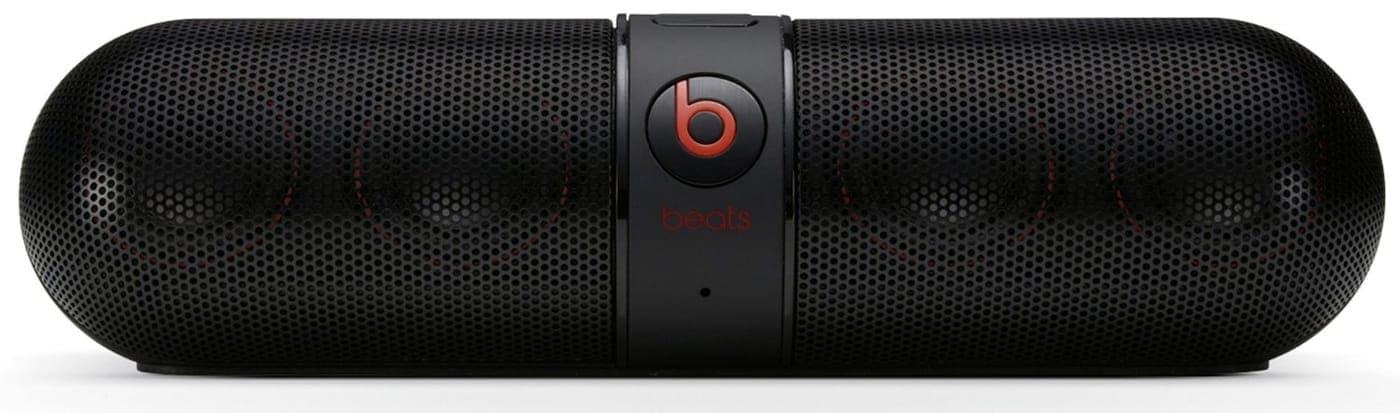
Best Bluetooth speaker under $50
Portable speakers where $50 buys genuine performance. Five picks judged on battery, waterproofing and honest bass.
Top pick: JBL Go 4

Best laptop under $500
What $500 genuinely buys in 2026, what it does not, and the two specs that matter more than the processor.
Top pick: Acer Aspire 3

Best tablet under $200
Five tablets under $200, and a straight answer on store lock-in and how long each keeps getting updates.
Top pick: Samsung Galaxy Tab A series

Best monitor under $200
27-inch 1440p IPS is the sweet spot at $200. Five picks, and the marketing spec you should ignore entirely.
Top pick: Dell S-series 27-inch IPS

Best mechanical keyboard under $100
Hot-swap sockets and gasket mounts are standard under $100 now. Five picks and what hot-swap actually buys you.
Top pick: Keychron V-series

Best gaming mouse under $50
Flagship sensors cost almost nothing now. Five picks under $50, and why DPI is a meaningless number.
Top pick: Logitech G305 Lightspeed

Best smartwatch under $100
AMOLED screens and multi-week battery under $100. Five picks, and the app-support question that decides year three.
Top pick: Amazfit GTS/Bip series

Best dash cam under $100
Resolution on the box is not what makes a plate readable. Five dash cams under $100 judged on sensor and night footage.
Top pick: Viofo A119 Mini

Best security camera under $100
The subscription costs more than the camera. Five picks that record locally and cost nothing to run.
Top pick: TP-Link Tapo C-series (wired)

Best robot vacuum under $200
Navigation type decides everything here. Five picks under $200 and an honest account of what this budget cannot do.
Top pick: Eufy RoboVac (LiDAR models)
Where the extra money genuinely goes - and where it does not.

Comparison
What people actually want from AirPods, which cheap earbuds deliver it, and the three things only Apple does.
Top pick: Soundcore AeroFit

Comparison
Budget ANC has genuinely caught up. Four alternatives, and the one gap that has not closed.
Top pick: EarFun Air Pro 4
The questions people actually ask before spending in this category.

Guide
The sticker price is the smallest number. A worked three-year cost comparison, and how to avoid the fees entirely.
Top pick: TP-Link Tapo C-series (wired)

Guide
Why lighting beats resolution, what a cheap webcam should have, and the free fix most people skip.
Top pick: Logitech C920 series

Guide
The app-support check that decides year three, which sensors you can trust, and what budget watches cannot do.
Top pick: Amazfit GTS/Bip series
A pick has to be genuinely available at or under its ceiling, not hypothetically available during a sale that ended. It has to be a current model, because a discontinued product with no firmware support is a trap at any price. And it has to have a failure story we could find - if nobody has owned one long enough to report what breaks, it is too new to recommend to somebody spending their own money.
We do not run a test lab and we do not claim to have used every product here. What we do instead is read the specification against the price, read what owners report after six months, and say plainly what you give up. Where a cheaper tier is genuinely good enough, we say so and link down rather than up - see the $50 tech picks if you want the floor rather than the sweet spot.

The impulse tier. Some categories are genuinely solved at $50; others are a false economy, and we say which.

The sweet spot. The only price ceiling with real search demand in all seven categories we cover.

Where the compromises start disappearing. Mostly appliances, furniture and bigger tech.

The serious end of budget. Laptops, mattresses, espresso machines and automatic watches.
In most of this category it is genuinely worth buying. Earbuds, speakers, monitors, keyboards and dash cams all hit diminishing returns well under $100. The exceptions are products with motors and moving parts - robot vacuums especially - and laptops, where $500 buys a competent browsing machine and not much more.
$100 covers more of this category well than any other figure. It is the point where earbuds get ANC and multipoint, smartwatches get a decent screen and heart-rate sensor, and keyboards get hot-swap sockets. Below $50 you are buying the floor; above $200 you are mostly paying for build quality rather than function.
Often yes, with one check: does the brand have a support presence and a warranty you can actually use? Several budget-focused brands build genuinely good hardware. What they tend to lack is long-term software support, so prefer them for products that do not depend on an app - speakers, keyboards, mice - over products that do.
Frequently, yes, and it is the single most underrated move in this category. A previous-generation flagship at a clearance price usually beats a new budget model on build quality, screen and support window. The risk is a support window that is already half spent, so check how long the manufacturer promises updates before you buy.
Many do for cloud recording, and the subscription can exceed the camera's price within a year. Models with local microSD storage avoid that entirely. This is the clearest example in tech of a cheap purchase that is not cheap, which is why we treat subscription cost as part of the price in that roundup.
Every pick on this hub is research-led, not lab-tested - here is exactly how we choose.