Tech & gadgets - under $50
Best Over-Ear Headphones Under $50 (October 2026)
Under $50 you can have good sound or good isolation. Picking the wrong one for your room is the mistake people actually make.
By Brijon M. - Published October 11, 2026

The short answer
The best-sounding pair under $50 is the Koss KSC75, and the most useful pair for a commute is the Anker Soundcore Life Q20 with its active noise cancelling. They are opposite answers to the same budget: the KSC75 is an open design that sounds superb and blocks nothing, and the Q20 blocks noise well and sounds merely fine.
Disclosure: we earn commission on qualifying purchases made through the links below, at no extra cost to you. It never changes the order of our picks - here is how that works.
The trade you cannot avoid at this price
Over-ear headphones under $50 split cleanly into two families, and the families are good at opposite things. Buying the wrong family for your situation is far more consequential than buying the second-best model within the right one.
Open-backed designs have a perforated or mesh outer housing, so air moves freely through the driver. That produces a more spacious, natural sound and avoids the boxed-in resonance that makes cheap sealed headphones sound muddy. It also means they block essentially no noise and leak enough that someone next to you hears your music.
Closed-back and noise-cancelling designs seal against your head. They block outside noise, keep your music to yourself, and in exchange have to control the resonance of a sealed chamber - which is expensive to do well, and under $50 is done adequately at best.
So the question is not "which sounds best". It is: do you need to not hear the room? At a desk in a quiet home, no - buy the open pair and enjoy genuinely good sound for $20. On a bus, in an office, or beside a snoring partner, yes - buy the sealed pair and accept ordinary sound.
What else to check, briefly
Clamping force and weight. This is the most underrated spec in headphones and the one that decides whether you actually wear them. A pair that clamps hard is unbearable after ninety minutes regardless of how it sounds, and cheap headphones are frequently heavier than expensive ones because plastic is thick.
Replaceable pads. Earpads are the first thing to fail - the foam compresses and the pleather flakes - usually at eighteen months to two years. A pair with cheap replacement pads lasts years longer than one without.
Detachable cable on wired models, because the cable is the second thing to fail.
Battery life on wireless models. Over-ear housings have room for a big cell, so forty hours and up is normal at this price - treat anything under twenty as a red flag.
Bluetooth codec matters less than the marketing suggests. At this price the limiting factor is the driver and the tuning, not the codec.
- Open-back = better sound, zero isolation. Closed/ANC = isolation, ordinary sound.
- Weight and clamp decide whether you wear them. Check the weight in grams.
- Replaceable earpads roughly double the usable life.
- Wireless over-ears at this price should give 30+ hours. Many give 50+.
Quick picks
The short version. Tap any row to jump to the full write-up, or go straight to Amazon to check the current price.
| # | Product | Best for | Price |
|---|---|---|---|
| 1 | Koss KSC75 Around $20, and it genuinely embarrasses headphones at four times the price on sound. | Best sound for the money | |
| 2 | Anker Soundcore Life Q20 Real active noise cancelling and 40+ hours of battery, for under $50. | Best for commuting | |
| 3 | Audio-Technica ATH-M20x Flat, honest tuning in a sealed housing - the one to buy if you make things. | Best wired closed-back | |
| 4 | JBL Tune 520BT Enormous battery life and an inoffensive sound, in the lightest package here. | Best wireless on a budget | |
| 5 | A used flagship pair plus new earpads Last decade's $200 headphones sell for $45 and need a $15 set of pads. | Best sound per dollar overall |
We do not print prices on this site. Every button opens the live Amazon listing so you see the real price at the moment you click. See our affiliate disclosure.
1. Best sound for the money
Koss KSC75
Around $20, and it genuinely embarrasses headphones at four times the price on sound.
- Open-back clip-on design
- Very light - under 2 oz
- Wired, 3.5mm
- Legendary value in audio circles
The KSC75 has a cult following for one reason: the sound it produces for twenty dollars is not supposed to be possible. The open design and light titanium-coated driver give it an airy, detailed, well-balanced presentation that reviewers routinely compare favourably with sealed headphones at several times the price.
It is also extraordinarily light, which means you forget you are wearing it - the opposite experience to most cheap over-ears.
This is the pick for listening at a desk, in a quiet home, or anywhere the point is to enjoy music rather than to escape a room.
Independent measurement sites have reviewed it for years, and the consensus is consistent: superb sound, nearly no isolation, flimsy build.
What you give up
Blocks no noise at all and leaks audibly to anyone nearby, so it is useless on a commute or in an open office. The ear-clip mechanism and thin plastic feel cheap because they are, and bass is light compared with sealed designs.
2. Best for commuting
Anker Soundcore Life Q20
Real active noise cancelling and 40+ hours of battery, for under $50.
- Hybrid active noise cancelling
- 40+ hours with ANC on
- Bluetooth plus wired fallback
- Folding design with case
Active noise cancelling under $50 was not a real product category a few years ago, and the Q20 is the model that made it one. The cancellation is not a match for flagship headphones, but it removes the low-frequency rumble of a bus, a train or an air conditioner, and that is the part of ambient noise that makes you raise the volume.
Battery life is the other standout - well over forty hours with ANC running, which in practice means you charge it occasionally rather than nightly.
It folds, it comes with a case, and it takes a cable if the battery dies.
This is the right pick for a commute, a shared office, a flight or a noisy flatmate.
What you give up
Sound is bass-heavy and the midrange is recessed - fine for podcasts and pop, unremarkable for acoustic music. The ANC introduces a faint hiss in silence, and the plastic build feels its price.
3. Best wired closed-back
Audio-Technica ATH-M20x
Flat, honest tuning in a sealed housing - the one to buy if you make things.
- Closed-back wired
- Neutral studio tuning
- Around 190 g
- Attached cable
The M20x is the entry point to Audio-Technica's studio monitoring line, and it is tuned for accuracy rather than excitement. Vocals and instruments sit where they should, bass is present without being inflated, and nothing is exaggerated to make a shop demo impressive.
That makes it the pick for recording, editing, learning an instrument, or simply hearing a mix as it was made rather than as a marketing department would like it.
Being closed-back it leaks far less than the KSC75, so it works next to someone else - though it does not actively cancel anything.
Comfort is good for the weight, and the headband is sensibly padded.
What you give up
Passive isolation is modest, so it is not a commuting pair despite being sealed. The cable is permanently attached, which is the usual failure point, and the flat tuning sounds dull to anyone expecting boosted bass.
4. Best wireless on a budget
JBL Tune 520BT
Enormous battery life and an inoffensive sound, in the lightest package here.
- On-ear wireless
- Very long battery life
- Folds flat
- Multipoint pairing on current models
If what you want is wireless, light and reliable rather than excellent, the Tune series is the sensible answer. Battery life runs into the dozens of hours, the fit is light enough for all-day wear, and the sound is JBL's familiar bright, bass-forward tuning that most people find immediately likeable.
Multipoint pairing - staying connected to a phone and a laptop at once - is the feature that quietly makes a cheap pair feel expensive, and it appears at this price now.
It folds small enough for a bag, which the over-ear picks here do less well.
Think of this as the everyday pair you are not precious about.
What you give up
On-ear rather than fully over-ear, so isolation is poor and you will hear the bus. The bright treble can fatigue on long listens, and there is no active noise cancelling at this price point in the line.
5. Best sound per dollar overall
A used flagship pair plus new earpads
Last decade's $200 headphones sell for $45 and need a $15 set of pads.
- Second-hand wired over-ear
- Replacement pads widely available
- Often better drivers than any new budget pair
- Needs minor homework
Wired over-ear headphones barely age. There is no battery to degrade and no wireless standard to fall behind, so a well-regarded wired model from five or ten years ago performs today exactly as it did when it was reviewed - and sells used for a fraction of its original price.
The one part that does wear out is the earpads, and for most established models replacements cost very little and fit in two minutes. Fresh pads also restore the seal, which restores the bass.
What to check: that the cable is detachable or intact, that the headband padding has not disintegrated, and that replacement pads exist for that specific model.
This is the highest sound-quality-per-dollar route available at this budget, and the reason it is not our top pick is simply that it takes effort and a little luck.
What you give up
No warranty, variable condition, and you need to know which models are worth buying. Wired only, in practice - used wireless headphones usually come with a tired battery you cannot replace.
Over-ear or earbuds at this price?
A fair question, because $50 buys a decent pair of either.
Over-ear wins on comfort over hours, on battery life - a big housing holds a big cell - and on sound, because a larger driver in a larger chamber is easier to make sound good cheaply. It also wins on repairability, since pads and cables are replaceable.
Earbuds win on portability, on wearing them under a hat or a motorcycle helmet, and on not making your ears hot. They lose on battery, on cost of failure (one lost bud is half a product), and usually on sound per dollar.
If the headphones live at a desk, buy over-ear. If they live in a pocket, buy earbuds - and the best wireless earbuds under $50 covers that side of the decision.
If noise cancellation specifically is the reason you are shopping, note that the step up to $100 buys a meaningful improvement - see the best noise-cancelling headphones under $100.
Making cheap headphones last
The failure modes are predictable, which means they are mostly preventable.
Replace the earpads when they flatten. Compressed foam ruins both comfort and the seal, and a new set is a few dollars. This is the single highest-value maintenance in headphones.
Never hang them by the cable, and never wrap the cable tightly around the housing. Cable failure at the strain relief is the most common death of a wired pair.
Store them out of the sun. Heat and UV are what turn pleather pads into flakes.
Charge wireless pairs to around half if storing for months. A lithium cell left flat for a long time may not come back.
Clean the pads with a barely damp cloth occasionally. Skin oils accelerate the breakdown of the covering.
How we picked
We limited the list to over-ear and on-ear models currently sold in the US under $50, then sorted them by use case rather than ranking them on a single scale - because an open-backed pair and a noise-cancelling pair cannot be compared on one axis without misleading somebody.
Every named model here has been measured and reviewed by independent testing sites, which is where our characterisations of their sound come from. We have not measured them ourselves and do not claim hands-on testing. Sources are listed below.
We deliberately excluded the unbranded models that dominate marketplace search results at this price, because their specifications are unverifiable and the same listing often ships different hardware month to month. Our full approach is on how we pick.
How we picked
Every pick on this page is a real, currently-sold product that we could find at or under $50 at the time of the last update. Rank order is set before any link is attached.
We are research-led, not lab-led. We do not run a test lab and we do not claim to have personally used every product on this site. Picks come from manufacturer specifications, owner-reported reliability and failure patterns, expert-publication consensus, and real availability at the stated price ceiling. Read the full method.
Common questions
+Are $50 headphones good enough?
For sound, surprisingly yes - an open-backed pair like the Koss KSC75 sounds genuinely good. What $50 cannot buy is good sound and good isolation at once, plus the build quality and features of premium pairs. Decide which of the two you need.
+Is noise cancelling under $50 any good?
Better than you would expect and worse than flagship ANC. It reliably removes low-frequency rumble - engines, air conditioning, train noise - which is the part that makes you turn the volume up. It does much less for voices and sudden sounds.
+Open-back or closed-back headphones?
Open-back if you listen somewhere quiet and alone: the sound is better and more natural for the money. Closed-back or noise-cancelling if there is noise around you or people near you, because open-backs block nothing and leak audibly.
+Are over-ear headphones better than earbuds for $50?
Generally yes on sound, battery life and comfort over long sessions, because a bigger housing is easier to engineer well and holds a bigger battery. Earbuds win on portability and on not overheating your ears.
+How long do cheap headphones last?
The electronics usually outlive the earpads, which flatten and flake at around eighteen months to two years of regular use. Buying a model with cheap replacement pads, and replacing them, is what turns a two-year pair into a five-year one.
Sources
Read next
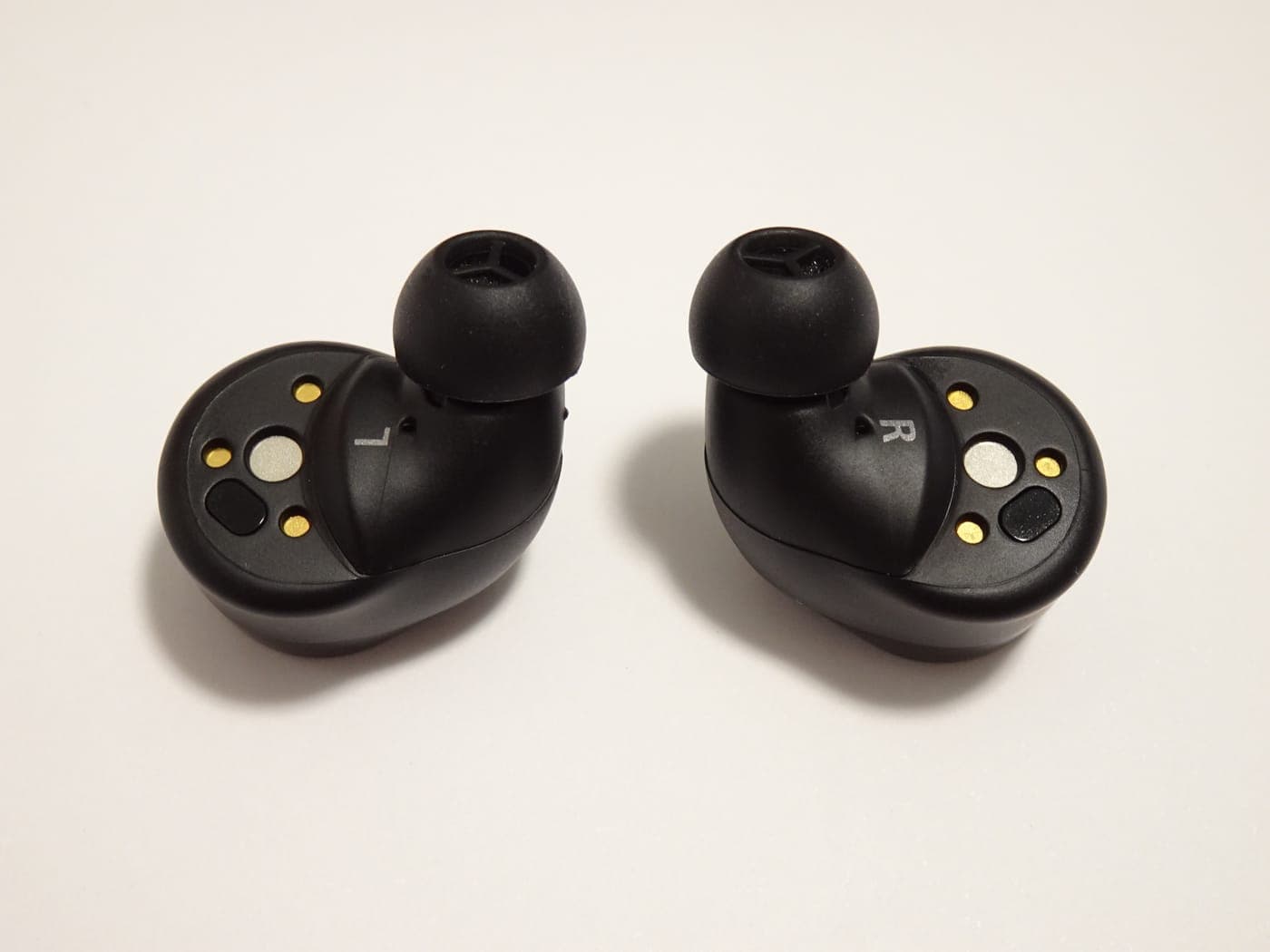
Best earbuds under $50
Best Wireless Earbuds Under $50 (October 2026)
The $50 floor is better than it was. Five picks, and a straight answer on what the extra $50 actually buys.
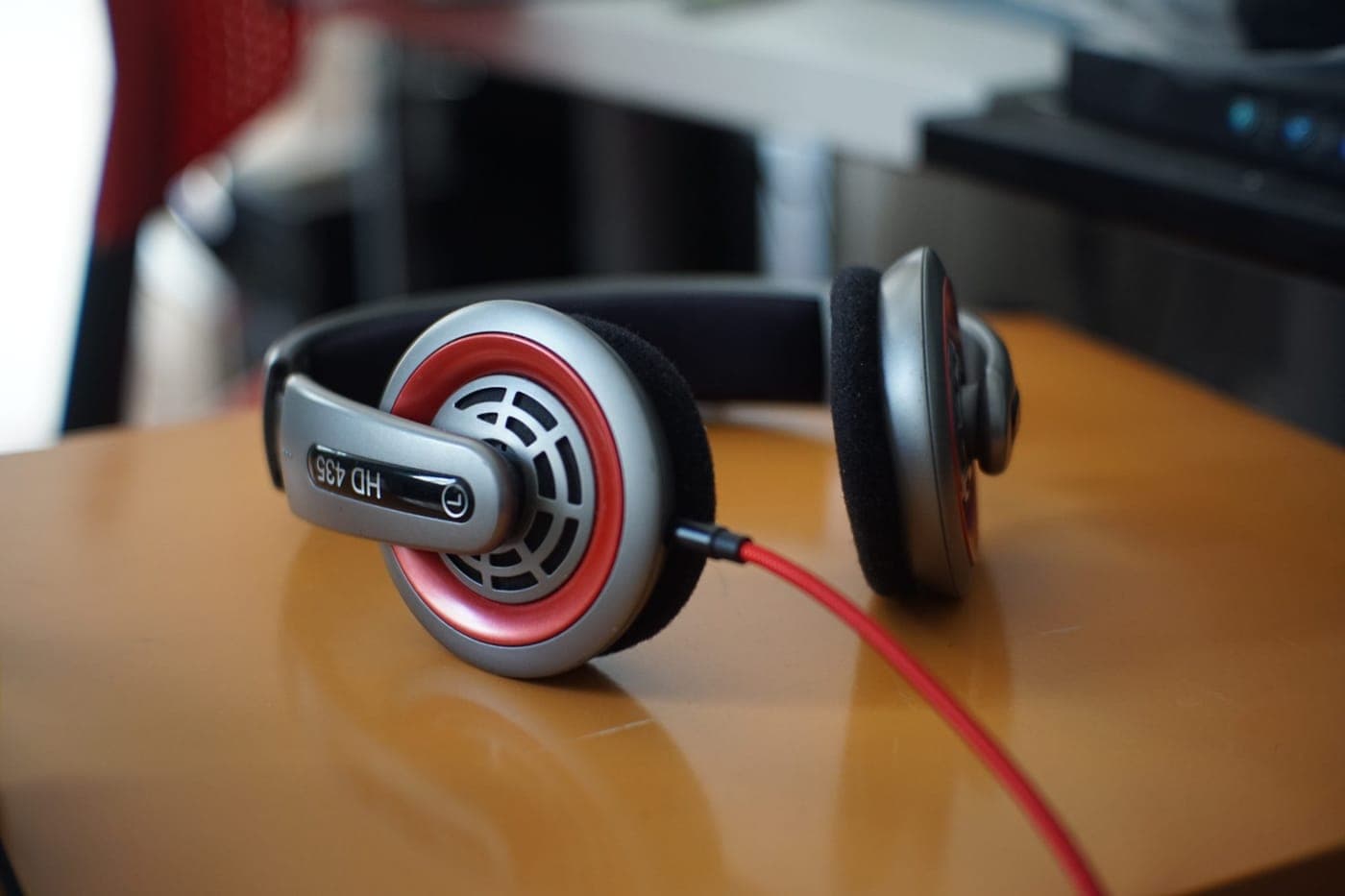
Best ANC headphones under $100
Best Noise Canceling Headphones Under $100 (October 2026)
Over-ear ANC under $100 now quiets a plane cabin properly. Five picks and the honest gap to the $350 sets.
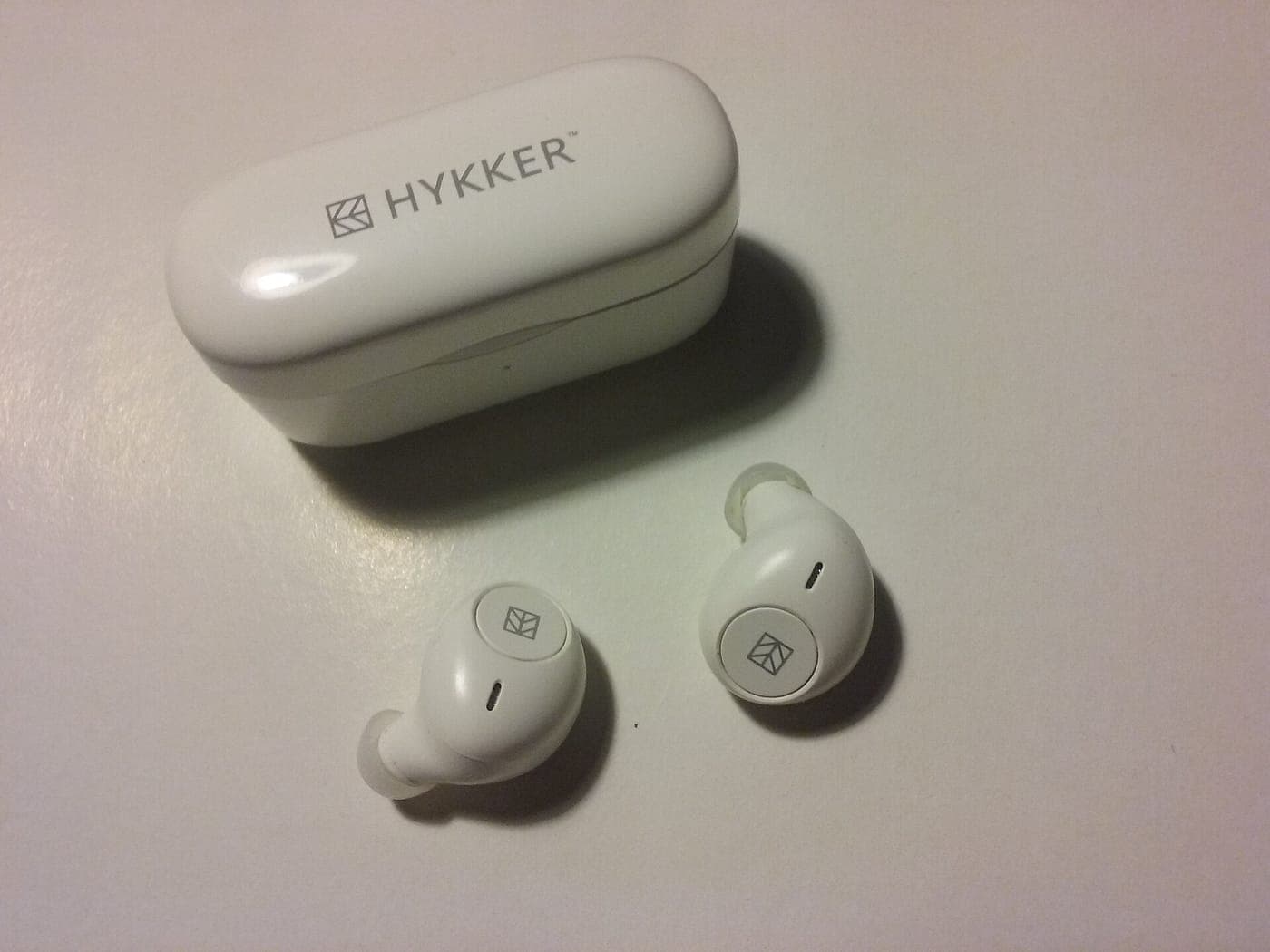
Tech & gadgets
AirPods Alternatives: What You Gain and What You Give Up
What people actually want from AirPods, which cheap earbuds deliver it, and the three things only Apple does.

Shop by price
Under $50
The impulse tier. Some categories are genuinely solved at $50; others are a false economy, and we say which.

Category
Tech & Gadgets
Earbuds, laptops, monitors, cameras and the rest - where the budget tier is genuinely close to the flagship.
Think we got a pick wrong, or spotted one that is out of stock or over its ceiling? Tell us - corrections go to the front of the queue.