Tech & gadgets
How Much Is a Cheap Security Camera?
The hardware is the smallest number in this category. Here is the arithmetic that actually decides what you pay.
By Brijon M. - Published October 2, 2026

The short answer
A cheap indoor security camera costs $25-$50 to buy, but the three-year cost ranges from about $100 to nearly $400 depending entirely on storage. A camera recording to a local microSD card has almost no running cost; one requiring a cloud plan at $8-$12 a month costs more in subscriptions than it ever did in hardware.
The short version
Hardware: $25-$50 for a basic indoor camera, $60-$100 for outdoor or higher-resolution models with color night vision.
Storage, local: $12-$25 once for a microSD card, or $60-$120 once for a hub. No recurring cost.
Storage, cloud: typically $3-$12 per month per camera, or $10-$20 per month for a multi-camera plan.
Power: negligible for a wired camera. For a battery camera, the cost is your time - recharging every one to three months.
The decision that matters is the third line. Everything else is noise by comparison.
- Local microSD: roughly $100 over three years, all in.
- Cloud subscription at $10/month: roughly $390 over three years for the same camera.
- The hardware difference between those two cameras is usually under $50.
Quick picks
The short version. Tap any row to jump to the full write-up, or go straight to Amazon to check the current price.
| # | Product | Best for | Price |
|---|---|---|---|
| 1 | TP-Link Tapo C-series (wired) Records to a microSD card and costs nothing to run. | Lowest three-year cost | |
| 2 | Reolink camera with local hub Central local storage, which beats per-camera cloud plans quickly. | Best for several cameras |
We do not print prices on this site. Every button opens the live Amazon listing so you see the real price at the moment you click. See our affiliate disclosure.
1. Lowest three-year cost
TP-Link Tapo C-series (wired)
Records to a microSD card and costs nothing to run.
- microSD slot
- 2K
- Color night vision
- No plan required
This is the setup that lands at the $105 end of the comparison above. A one-off card purchase and no recurring fee, with a camera good enough that you are not compromising to save the subscription.
It also keeps working if your internet drops, which cloud-dependent cameras often do not.
What you give up
Local footage is lost if the camera itself is stolen - the one genuine thing a cloud plan solves.
2. Best for several cameras
Reolink camera with local hub
Central local storage, which beats per-camera cloud plans quickly.
- Hub or NVR storage
- PoE options
- No subscription
- Expandable
Once you want more than two cameras, per-camera cloud plans become the dominant cost. A local hub or NVR is a larger up-front purchase that removes the recurring one entirely, and it stores footage away from the cameras so theft does not take the evidence.
Power over Ethernet models are the most reliable arrangement available at any price: one cable per camera, no batteries, no Wi-Fi dropouts.
What you give up
Higher up-front cost and a genuine installation job, particularly if you run Ethernet. Not a one-evening project.
A worked three-year comparison
Take two realistic setups for a single indoor camera.
Setup A - cheap camera, cloud plan. Camera: $30. Cloud plan at $10 per month: $360 over three years. Total: $390.
Setup B - better camera, local storage. Camera: $85. High-endurance 128GB microSD card: $20. Total: $105.
Setup B costs a quarter as much over three years and has the better camera. That is the entire argument, and it is why we would not buy a camera without local storage unless off-site backup is specifically what you want.
The arithmetic gets worse with more cameras, because most cloud plans charge per camera up to a tier. A four-camera house on a per-camera plan can pass $1,000 over three years.
What the subscription actually buys
It is worth being fair about this rather than treating subscriptions as pure extraction, because they do provide two real things.
Off-site storage. If a camera is stolen or smashed, footage held on its own microSD card goes with it. Cloud storage survives that, and for a camera covering a front door it is a genuine argument.
Advanced detection. Cloud processing can run heavier models for identifying people, vehicles, packages and faces than a cheap camera's own processor can. In practice, the on-device detection in current mid-range cameras has narrowed this a lot.
What a subscription does not buy is better image quality, which is fixed by the sensor, or reliability, which depends on your network. If off-site storage is the thing you want, pay for it deliberately. If it is not, a local camera does the same job for free.
The hidden costs people forget
A high-endurance memory card. Security cameras write continuously, which destroys a standard card within months. A card rated for continuous surveillance costs about $20 and is not optional.
Outdoor power. An outdoor camera needs an outdoor-rated outlet or a hole drilled through a wall. If you need an electrician, that is a real cost that can exceed the camera several times over.
A better router or extender. Cameras at the edge of Wi-Fi coverage drop out, record nothing and alert constantly. A $40 extender is a common unplanned purchase after installing the first camera.
Replacement batteries. Battery camera cells degrade after two to three years, and on sealed models that ends the camera's life.
How to keep the cost at the bottom of the range
Buy a camera with a microSD slot, confirmed before purchase rather than assumed. Buy a high-endurance card at the same time. Prefer a wired camera where you can run power, because it removes both the recharging and the battery-degradation problem. If you want several cameras, look at a local hub or NVR rather than per-camera cloud plans, because the economics flip quickly past two cameras.
Our best security cameras under $100 roundup only includes cameras that record locally, for exactly this reason.
Common questions
+How much does a cheap security camera cost per year?
With local microSD storage, effectively nothing after the initial purchase - about $5 a year amortizing the card. With a cloud plan, typically $36-$144 per camera per year, which quickly exceeds what the camera cost.
+Can you use a security camera without a subscription?
Yes, if it has a microSD slot or supports a local hub. Many cameras are deliberately sold cheap because the subscription is the business model, so confirm local storage before buying rather than after.
+Is a cheap security camera worth it at all?
For deterrence and for knowing what happened, yes. Where cheap cameras disappoint is in identifying a stranger at night, which needs a better sensor than this price buys. Buy for awareness rather than for evidence-grade identification.
+How much storage does continuous recording need?
Roughly 1GB per hour at 1080p, so a 128GB card holds about five days of continuous footage before overwriting. Motion-only recording stretches that to weeks. Both are usually enough, since you check footage within days of an incident.
+Do I need a different camera for outdoors?
Yes - an outdoor camera needs an IP weather rating, and indoor cameras fail quickly in rain and temperature swings. Expect to pay roughly $20-$40 more for an equivalent outdoor-rated model.
Sources
Read next

Best security camera under $100
Best Security Camera Under $100 (October 2026)
The subscription costs more than the camera. Five picks that record locally and cost nothing to run.
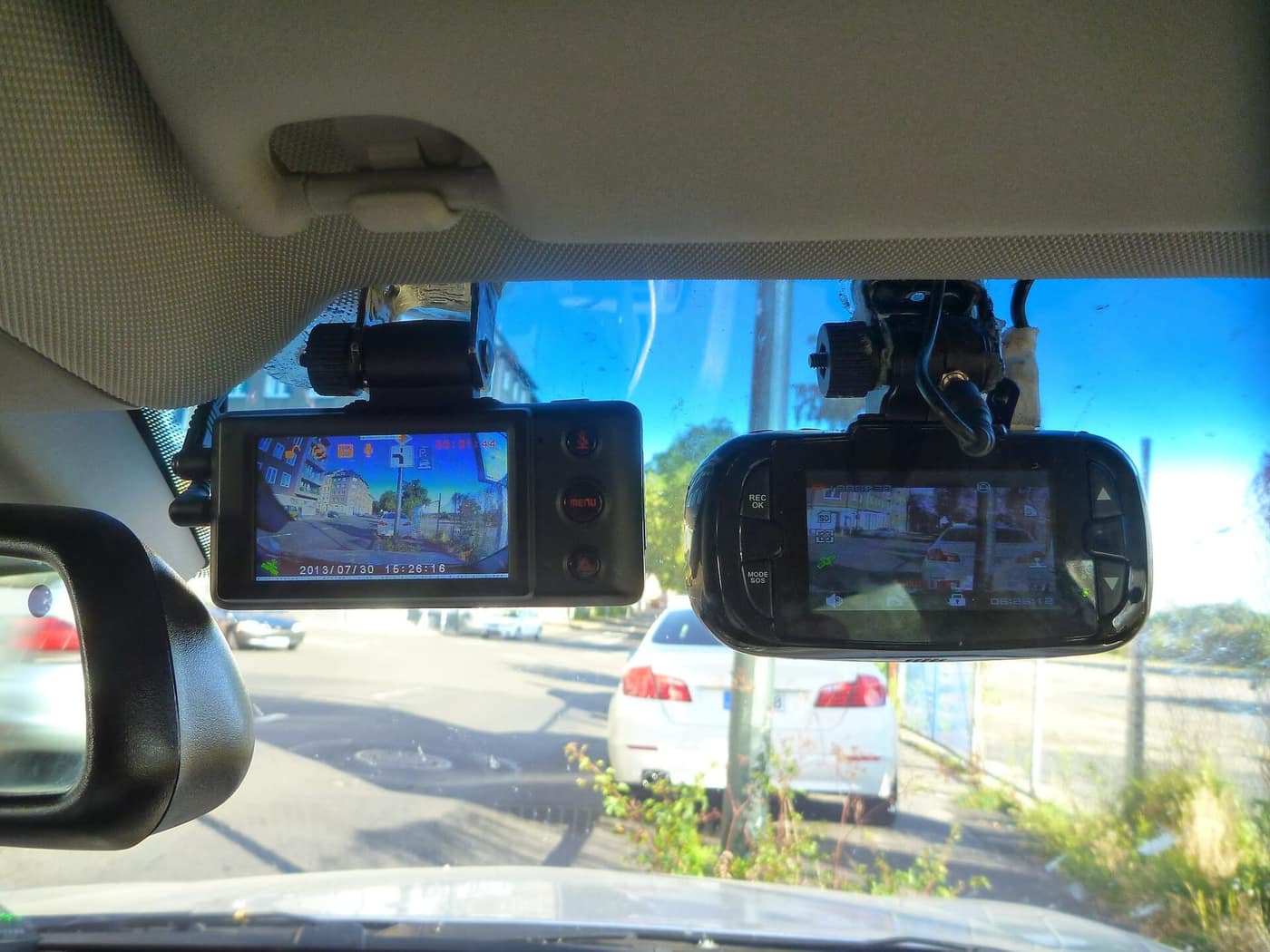
Best dash cam under $100
Best Dash Cam Under $100 (October 2026)
Resolution on the box is not what makes a plate readable. Five dash cams under $100 judged on sensor and night footage.

Category
Tech & Gadgets
Earbuds, laptops, monitors, cameras and the rest - where the budget tier is genuinely close to the flagship.

Shop by price
Under $100
The sweet spot. The only price ceiling with real search demand in all seven categories we cover.
Think we got a pick wrong, or spotted one that is out of stock or over its ceiling? Tell us - corrections go to the front of the queue.