Home
Humidifier vs Dehumidifier
One adds moisture, one removes it. Buying on symptoms instead of a number is how people end up owning both and using neither.
By Brijon M. - Published October 17, 2026
The short answer
Measure first with a $10 hygrometer. Below 30% relative humidity you need a humidifier; above 50% you need a dehumidifier; between the two you need neither. Dry skin, static shocks and cracking wood point to air that is too dry. Musty smells, window condensation and mold point to air that is too damp.
Disclosure: we earn commission on qualifying purchases made through the links below, at no extra cost to you. It never changes the order of our picks - here is how that works.
Measure before you buy anything
This is a one-paragraph guide for most people: buy a digital hygrometer for about ten dollars, put it in the room that bothers you, wait a day, and read the number. Everything below is what to do with it.
The reason to insist on this is that the symptoms overlap more than you would expect. A stuffy nose and a sore throat come from air that is too dry and from air that is too damp. So does a cough. People buy on the symptom, buy the wrong machine, run it, make the room worse, and conclude that humidifiers do not work.
The EPA's guidance is that indoor relative humidity should sit between 30% and 50%, and should not exceed 60%. Those two numbers decide the purchase.
One more reason to measure: a sizeable share of households discover they need neither machine, and that the actual problem was a draught, a cold exterior wall or a bathroom extractor fan that has never worked.
- Under 30% - you want a humidifier.
- 30-50% - you want nothing. Spend the money elsewhere.
- Over 50%, and certainly over 60% - you want a dehumidifier.
- Measure in the room with the problem, not in the hallway. Bathrooms and basements read very differently from a living room.
The symptom checklist, for when you cannot wait
If you need an answer before the meter arrives, these are the signals that are reasonably specific to one side rather than the other.
Air that is too dry: static shocks off door handles and carpets, hair that will not sit flat, skin that is tight after a shower, lips cracking, a nosebleed in winter, wooden floors or furniture developing gaps, a guitar going out of tune faster than usual, and houseplants crisping at the leaf edges.
Air that is too damp: a musty smell that returns after you air the room, condensation running down the inside of windows in the morning, black spotting in the corners of window reveals or behind furniture on an exterior wall, laundry that takes two days to dry indoors, a clammy feel at normal temperatures, and peeling paint or wallpaper.
The two most reliable single indicators are static shocks for dry and window condensation for damp. If you have both in the same house, they are almost certainly in different rooms - and that is a normal situation, covered below.
Quick picks
The short version. Tap any row to jump to the full write-up, or go straight to Amazon to check the current price.
| # | Product | Best for | Price |
|---|---|---|---|
| 1 | A digital hygrometer Ten dollars, and it decides which of the two machines you actually need. | Buy this first | |
| 2 | Levoit Classic 300S humidifier 6L tank and a humidistat that stops at your target instead of flooding the room. | If you read under 30% | |
| 3 | A 20-35 pint compressor dehumidifier The right size for one damp room, with a hose port so you stop emptying buckets. | If you read over 50% |
We do not print prices on this site. Every button opens the live Amazon listing so you see the real price at the moment you click. See our affiliate disclosure.
1. Buy this first
A digital hygrometer
Ten dollars, and it decides which of the two machines you actually need.
- Reads relative humidity and temperature
- Battery powered, no setup
- Often sold in two or three packs
- Some models log highs and lows
Nothing else on this page matters until you own one. A hygrometer turns a guess into a number, and the number is unambiguous: under 30, over 50, or fine.
Buy the multi-pack if your house has a basement or a problem bedroom. Humidity varies dramatically room to room - a basement at 65% and a bedroom at 28% in the same house in the same week is completely ordinary, and one meter will tell you only half the story.
A model that logs the 24-hour high and low is worth the extra couple of dollars, because the humidity at 3am in a closed bedroom is not the humidity at 6pm with the door open, and the overnight figure is usually the one that matters.
What you give up
Cheap hygrometers can read a few percent off. For deciding between three bands that is irrelevant, but do not treat the reading as laboratory-accurate - and give it an hour to settle after moving it.
2. If you read under 30%
Levoit Classic 300S humidifier
6L tank and a humidistat that stops at your target instead of flooding the room.
- 6 litre tank
- Ultrasonic cool mist
- Humidistat with auto mode
- Quiet sleep mode
For a bedroom reading in the twenties - which is common in winter in a centrally heated house - this is the machine we would buy.
The humidistat is what stops you overshooting into the damp problem you are trying to avoid. Set 45%, and it cycles rather than running the tank dry against a window.
On hard water an evaporative model such as the Honeywell HCM350 avoids the white mineral dust that ultrasonic units produce. Our best humidifier under $100 roundup covers both routes.
What you give up
Ultrasonic, so hard water means white dust unless you use distilled water. And like every humidifier, it is a standing-water tank that needs emptying and descaling on a schedule.
3. If you read over 50%
A 20-35 pint compressor dehumidifier
The right size for one damp room, with a hose port so you stop emptying buckets.
- 20-35 pints per day for a single room
- Built-in humidistat
- Continuous drain hose port
- Auto restart after a power cut
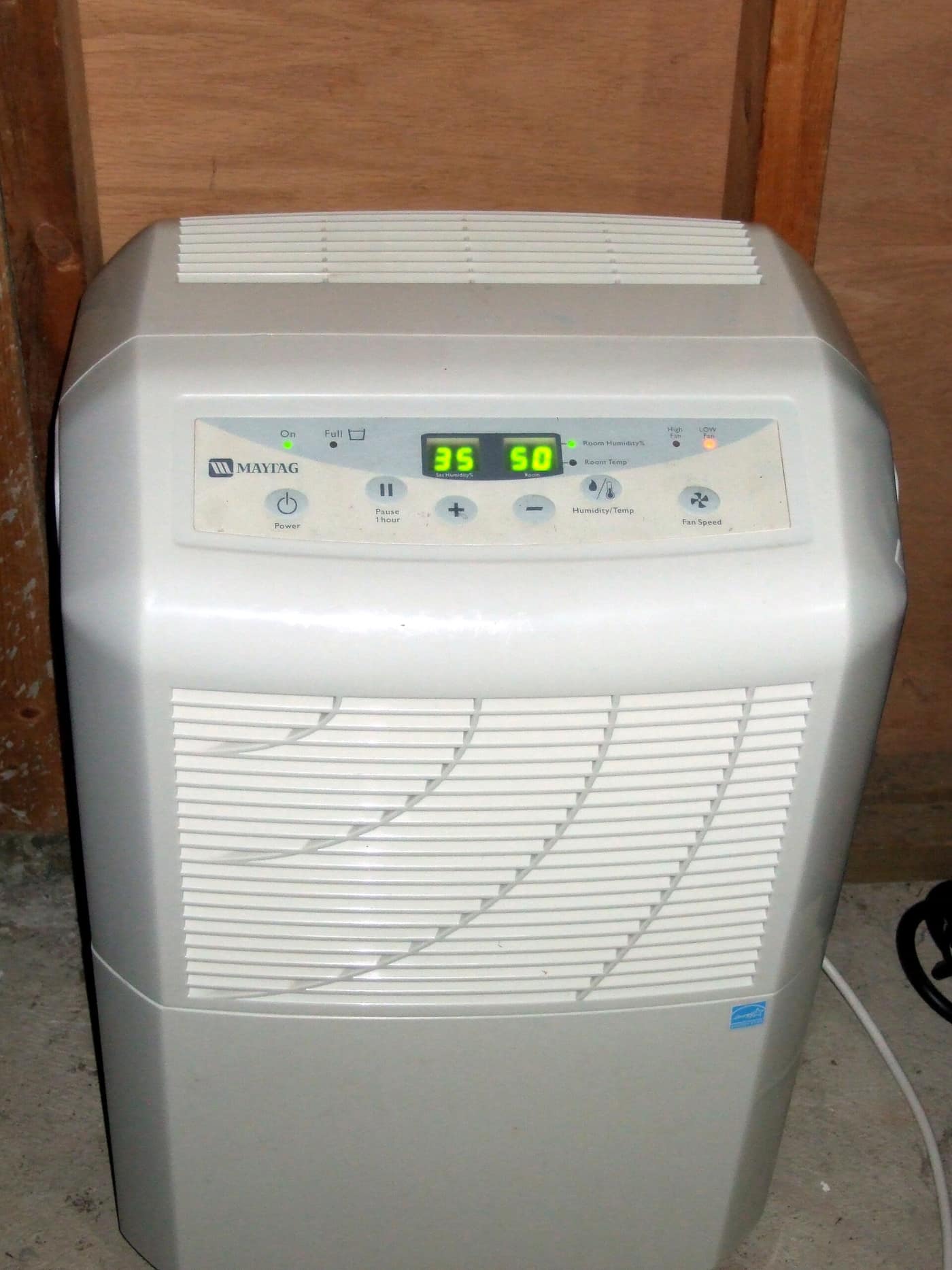
Compressor dehumidifiers are the mainstream choice and the right one for most damp rooms above about 60°F. They pull warm moist air across a cold coil, condense the water out and drip it into a tank.
The feature that decides whether you keep using it is the continuous drain port. Emptying a two-gallon tank twice a day is a chore you will abandon; a hose into a floor drain or a sump is a machine you forget about.
Insist on a humidistat and auto-restart. The machine should hold 45-50% on its own and come back on after a power cut rather than sitting there silently for a fortnight.
Our best dehumidifier under $200 roundup has the sizing detail, and cheap alternatives to a dehumidifier covers what to try first in a small space.
What you give up
Compressor units get much less effective below about 60°F, which is exactly the condition in an unheated garage or crawl space in winter - that is a desiccant dehumidifier's job, and they cost more to run.
What happens if you buy the wrong one
Worth spelling out, because both mistakes cost more than the machine.
A humidifier in an already-damp room is the more damaging error. Pushing a room from 55% to 65% produces condensation on cold surfaces, and sustained condensation on a window reveal or behind a wardrobe on an exterior wall grows mold within weeks. It also multiplies the dust-mite population, which is a direct problem for anyone in the house with asthma or a dust allergy - so a machine bought to help someone breathe makes it worse.
A dehumidifier in an already-dry room is less destructive but still a loss. You get static, cracked lips and a sore throat, a noticeable noise in the room, and an electricity bill - compressor dehumidifiers are not cheap to run - in exchange for making a non-problem worse.
Both errors are avoided by the ten-dollar meter. This is as close to a free lunch as home-appliance shopping offers.
When you genuinely need both
This is common and it is not a contradiction. Most US homes with real winters are too dry from roughly November to March and too damp from June to September, because cold outside air holds almost no moisture and warm summer air holds a great deal.
If that is your pattern, the sequence is: measure through one full year, buy the machine for the season that is worse, and only buy the second one after you have confirmed with the meter that the other season is genuinely out of range.
The other version of "both" is spatial: a damp basement and a dry upstairs bedroom in the same house, at the same time. That is normal, and each room gets the machine it needs.
Store the off-season machine dry. Empty, clean and air the tank before it goes in the cupboard. A humidifier put away with water in it in April is a biology experiment by October, and that is how people end up buying a second one.
The fixes that are cheaper than either machine
Before you buy anything, there are structural causes that no appliance can fix and that are often cheaper to address.
For damp: run the bathroom extractor fan during the shower and for twenty minutes after, and check it actually vents outside rather than into a loft. Dry laundry outdoors or in a vented dryer rather than on a rack in a closed bedroom - a single load of wet washing puts a surprising amount of water into a room. Leave a gap between furniture and exterior walls so air can move. Check gutters and downpipes, because persistent damp on one wall is frequently a drainage problem wearing a humidity costume.
For dryness: the usual cause is heating. Lowering the thermostat a couple of degrees raises relative humidity without any machine at all. Sealing obvious draughts around windows and doors helps for the same reason. And if the dryness is confined to one bedroom with a radiator under the window, that is a hint about the cause.
For both: a trickle of controlled ventilation beats a sealed box. A house that cannot exchange air stores whatever it generates.
If the measurement does send you shopping, cheap alternatives to a dehumidifier is the page to read next for the damp side, and best humidifier under $100 for the dry side.
Common questions
+Do I need a humidifier or a dehumidifier?
Measure the room with a hygrometer. Under 30% relative humidity you need a humidifier; over 50% you need a dehumidifier; between the two you need neither. Symptoms alone are unreliable because a stuffy nose and a cough come from both extremes.
+What should indoor humidity be?
Between 30% and 50% relative humidity, per EPA guidance, and never sustained above 60%. Below 30% you get static, dry skin and cracking wood; above 60% you get mold, dust mites and condensation.
+Can you use a humidifier and a dehumidifier in the same house?
Yes, and it is common - a damp basement and a dry upstairs bedroom at the same time is a normal situation, and so is needing a humidifier in winter and a dehumidifier in summer. What you should not do is run both in the same room, where they will simply fight each other and run up a bill.
+What happens if you use a humidifier when humidity is already high?
You push the room past the point where moisture condenses on cold surfaces, which grows mold on window reveals and behind furniture within weeks and increases the dust-mite population. If someone in the house has asthma or a dust allergy, this makes their symptoms worse rather than better.
+Is a dehumidifier expensive to run?
More than a humidifier, yes - a compressor dehumidifier is a refrigeration unit and typically draws a few hundred watts continuously. That is one reason to fix the obvious causes first: a bathroom fan that vents outside and laundry dried somewhere other than a closed bedroom are free.
+Does a dehumidifier work in a cold garage?
A standard compressor dehumidifier loses most of its effectiveness below about 60°F, so in an unheated garage or crawl space in winter it will barely work. That situation calls for a desiccant dehumidifier, which keeps working in the cold but costs more to run.
Sources
Read next
Humidifier pick
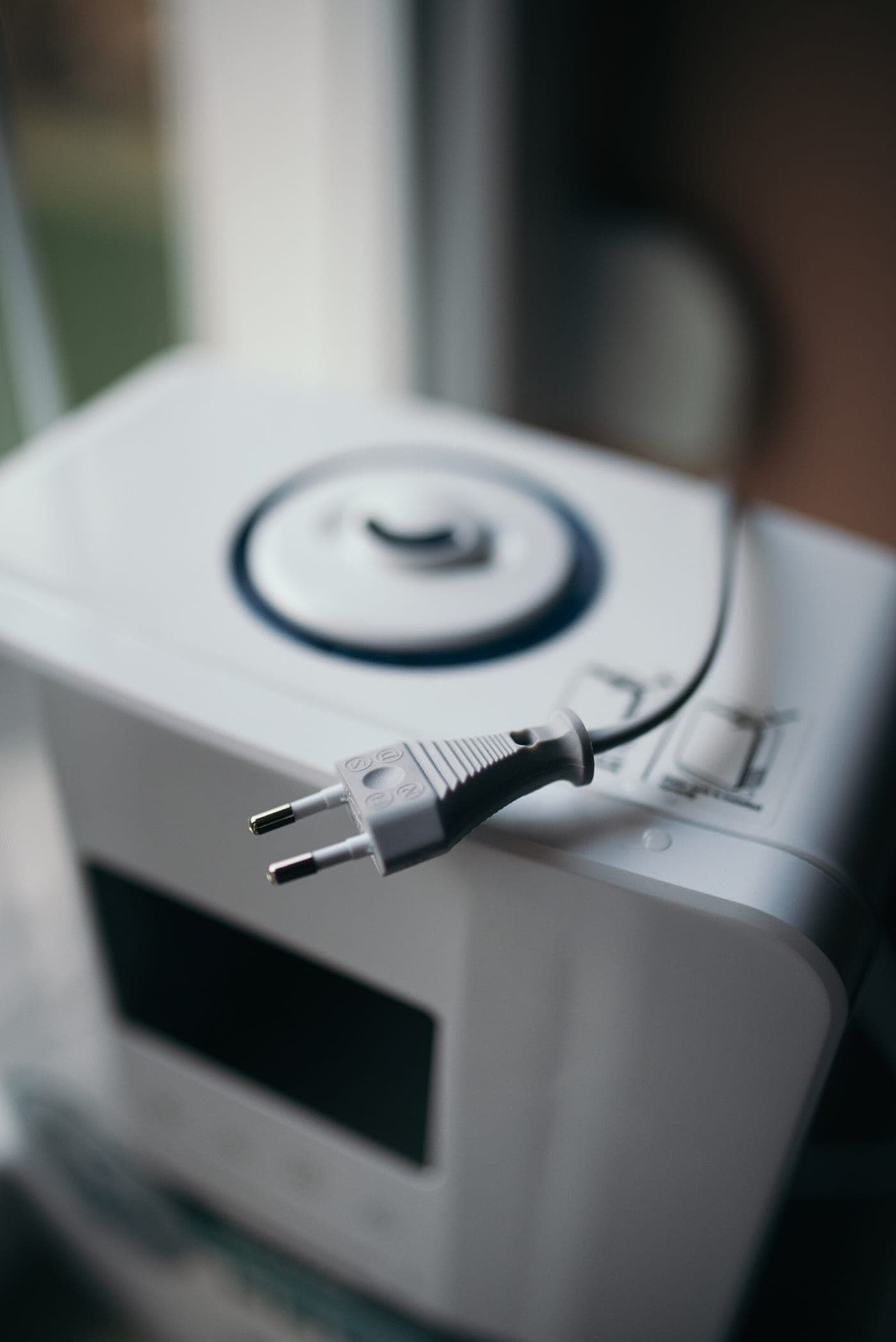
Best Humidifier Under $100
Tank size, humidistat and hard-water behavior decide this - not mist output. Five picks under $100 and the one you should not buy.
Best dehumidifier under $200
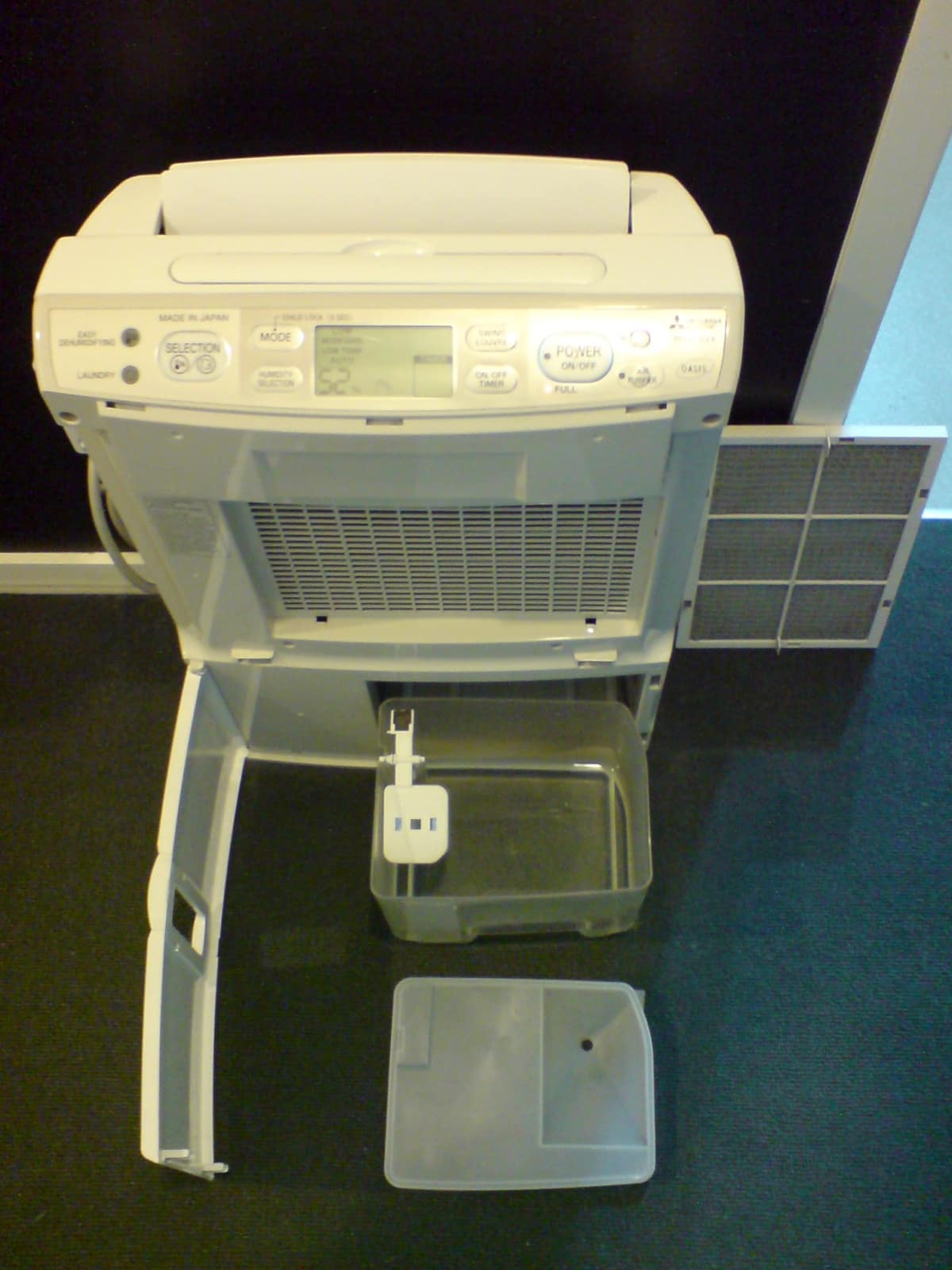
Best Dehumidifier Under $200 (October 2026)
Sizing is the whole decision. Five dehumidifiers under $200, and compressor versus desiccant.
Home
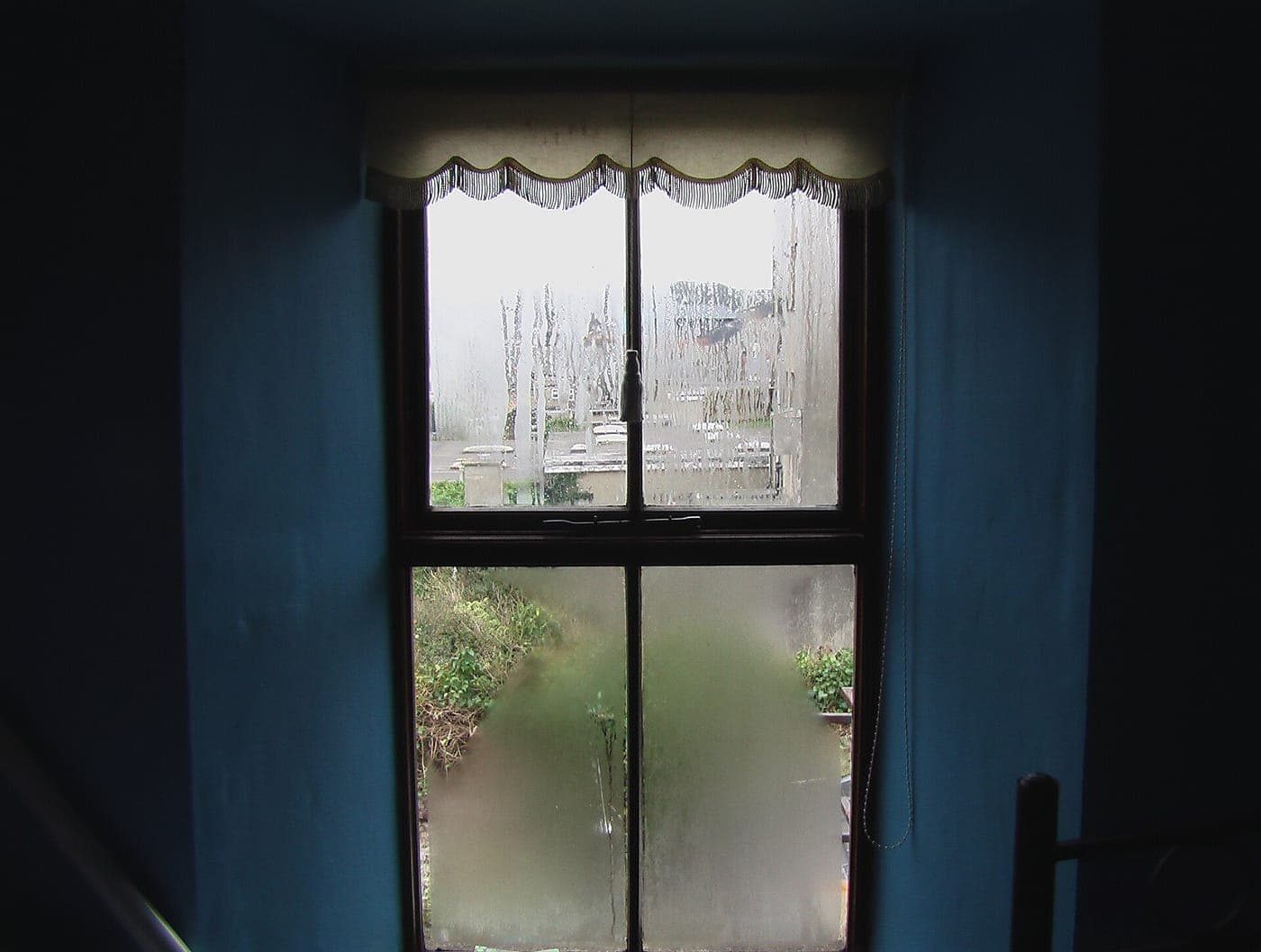
Cheap Alternative to a Dehumidifier
Which cheap alternatives genuinely remove moisture, which do almost nothing, and the free fix.
Category
Home
Vacuums, air purifiers, chairs and mattresses, judged on the two or three specs that actually matter.
Think we got a pick wrong, or spotted one that is out of stock or over its ceiling? Tell us - corrections go to the front of the queue.