Fitness - under $200
Best Adjustable Weight Bench Under $200 (October 2026)
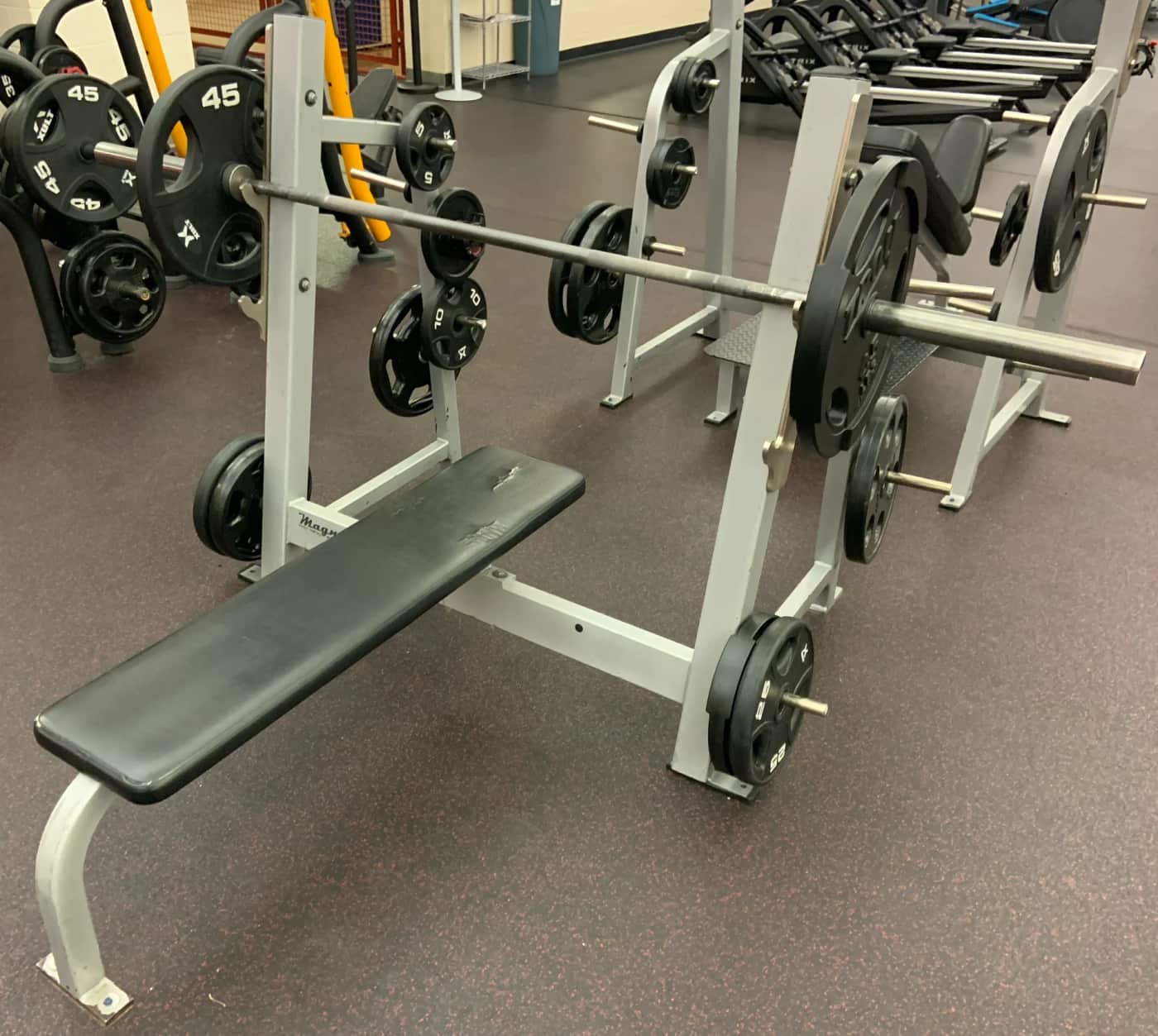
A bench holds you and a loaded barbell above your own chest. This is one category where the budget rule has a hard safety floor.
By Brijon M. - Published October 11, 2026
The short answer
Under $200 the pick for most home gyms is a folding adjustable bench with a stated capacity of 600 lb or more and a flat-to-decline range - the Flybird and Finer Form class of bench. The number to check is total load rating including your bodyweight, and the detail to check is the gap between the seat pad and the back pad, because that gap is what digs into your back under a heavy press.
Disclosure: we earn commission on qualifying purchases made through the links below, at no extra cost to you. It never changes the order of our picks - here is how that works.
Load rating, and how to read it honestly
A weight bench carries you plus whatever you are holding, and manufacturers state that combined figure in several different ways. A bench advertised at "880 lb capacity" may mean 880 lb of static load spread evenly, which is not the same as a 200 lb person dynamically pressing a 250 lb barbell with their feet driving into the floor.
The practical rule: take your bodyweight, add the heaviest barbell you expect to press in the next three years, and look for a stated capacity of at least double that. For most people pressing under 225 lb, a stated 600 lb rating is sufficient with real headroom.
A second, better signal is the frame material and tube gauge. Look for 14-gauge or heavier steel tube rather than a figure alone. Capacity numbers at the budget end are not independently certified; steel thickness is a physical fact you can read off the specification.
The third signal is the footprint. A bench with a wide tripod or H-shaped base is stable; one with a narrow single-rail base wobbles when you unrack, and a wobble under a loaded bar is the problem you do not want to have.
Where we draw the line: if the only specification a listing gives is a capacity number with no frame detail, no gauge and no weight for the bench itself, treat it as unverified and buy something else. This is the one category on this site where we would rather you spent more than bought the cheapest option.
The pad gap, and the other details that decide comfort
The pad gap is the space between the seat pad and the back pad on an adjustable bench. It exists because the back pad has to pivot, and on cheap benches it is wide enough that you feel the edge of each pad against your spine and shoulder blades under load. A gap under about an inch is good; two inches or more is noticeable and irritating during heavy sets.
Pad width should be 10-12 inches. Narrower than 10 inches and your shoulder blades hang off the sides, which destroys the scapular retraction a safe bench press depends on. Wider than 12 inches restricts shoulder movement.
Pad firmness. A soft pad feels pleasant and compresses under load, which lets your shoulders roll forward. Firm, high-density foam is correct here even though it feels harsh in the shop.
Height from the floor matters more than people expect. Around 17-18 inches lets most people plant their feet flat, which is where the drive in a press comes from. A bench that is too tall leaves you on your toes.
Adjustment increments. Six or seven back positions is plenty. What matters is that the pin or ladder locks positively rather than sitting in a shallow notch.
- Stated capacity of at least 2x (bodyweight + heaviest press). 600 lb covers most people.
- Pad gap under about an inch. This is the comfort spec nobody lists.
- 10-12 inch pad width - narrower loses shoulder support.
- Flat position must be genuinely flat, not slightly inclined.
Quick picks
The short version. Tap any row to jump to the full write-up, or go straight to Amazon to check the current price.
| # | Product | Best for | Price |
|---|---|---|---|
| 1 | Flybird folding adjustable bench The compact-storage bench that is actually stable, with a very high stated rating. | Best overall | |
| 2 | Finer Form multifunctional bench Better padding and geometry than the price implies, with leg hold-downs included. | Best for comfort | |
| 3 | Fitness Reality 1000 Super Max High stated capacity at the bottom of the price range, with a wide stable base. | Best cheap pick | |
| 4 | A fixed flat bench instead of an adjustable one No hinge, no pad gap, no play - and it costs less than an adjustable one. | Best for heavy pressing | |
| 5 | A cheaper bench plus better dumbbells If the bench is the whole gym, the weights deserve more of the budget than the bench. | The better allocation for most home gyms |
We do not print prices on this site. Every button opens the live Amazon listing so you see the real price at the moment you click. See our affiliate disclosure.
1. Best overall
Flybird folding adjustable bench
The compact-storage bench that is actually stable, with a very high stated rating.
- 7 back positions, 3 seat positions
- Stated capacity 800 lb or higher
- Folds flat for storage
- Commercial-gauge steel frame
Flybird's folding benches are the default recommendation for a home gym in a shared room, and the reason is that they fold without being flimsy - a combination most folding benches get wrong in one direction or the other.
Seven back positions covers flat, several inclines and a decline, and the seat adjusts independently, which is what stops you sliding down the pad on steep incline work.
The frame is heavier-gauge steel than the price suggests and the base geometry is wide, so it does not shift when you unrack.
It is also the easiest bench here to put away, which for a bench that lives in a bedroom or a lounge is the feature that decides whether you keep training.
Note that the larger models in the line sometimes sit just above $200 at list price, so check the specific version.
What you give up
The folding hinge is a mechanism and mechanisms develop play - expect a little movement after a couple of years of heavy use. Pad gap is wider than on a fixed bench, and the pad is firm to the point of feeling hard.
2. Best for comfort
Finer Form multifunctional bench
Better padding and geometry than the price implies, with leg hold-downs included.
- Stated capacity around 660 lb
- Flat, incline and decline
- Leg hold-down rollers
- Compact footprint
Finer Form's benches are built around a slightly more considered pad - thicker, wider and with a smaller gap at the hinge - and the difference is noticeable on any set over a few reps.
The leg hold-down rollers are what make the decline position actually usable, both for decline pressing and for weighted sit-ups and hyperextensions, and plenty of benches at this price omit them.
The stated capacity is lower than the Flybird's headline figure but is still comfortable headroom for anyone pressing under 200 lb.
A good choice if the bench will be used for more than just pressing.
What you give up
Does not fold as flat as the Flybird, so it is harder to store in a living space. The lower stated capacity leaves less margin for a heavy lifter.
3. Best cheap pick
Fitness Reality 1000 Super Max
High stated capacity at the bottom of the price range, with a wide stable base.
- Stated capacity 800 lb
- 12 back positions
- Wide tripod base
- Folds for storage
This is the bench to buy if the budget is genuinely tight and the alternative is a no-name listing with no frame specification. The base is wide, the steel is reasonable, and the stated capacity is high enough to leave margin for most lifters.
Twelve back positions is more than anyone needs, but the ladder mechanism locks positively, which is the part that matters.
It is a basic bench in finish and padding terms, and it does the job.
Tighten every bolt after the first week and again after a month. Budget benches loosen, and a loose bolt is what turns a stable bench into a wobbly one.
What you give up
Thin padding that compresses noticeably within a year of regular use, and a wider pad gap than the picks above. Assembly tolerances are loose enough that bolt holes do not always line up first time.
4. Best for heavy pressing
A fixed flat bench instead of an adjustable one
No hinge, no pad gap, no play - and it costs less than an adjustable one.
- Fixed flat only
- No pad gap at all
- Heavier frame for the money
- Does not fold
If your training is primarily barbell bench press, a flat bench is the better purchase at this price and it is not close. Removing the adjustment mechanism removes the hinge, the pad gap and the only part that develops play, and the money goes into steel instead.
A fixed flat bench at $150 is typically built to a standard an adjustable bench at $200 is not, with a wider pad, firmer foam and a heavier frame.
What you lose is incline and decline work, which matters if your program includes incline pressing or you use the bench for seated dumbbell work with back support.
An honest option for a dedicated garage gym where storage is not a constraint.
What you give up
Flat only - no incline pressing, no decline, no seated-with-back-support dumbbell work. It also does not fold, so it occupies its footprint permanently.
5. The better allocation for most home gyms
A cheaper bench plus better dumbbells
If the bench is the whole gym, the weights deserve more of the budget than the bench.
- Entry adjustable bench
- Adjustable dumbbell pair
- Combined under $400
- Covers most of a program
A bench on its own does nothing. In a home gym with a limited total budget, the thing that actually limits your training is the weight available, and spending $120 on a sound basic bench rather than $200 on a nicer one frees real money for dumbbells.
A pair of adjustable dumbbells plus a basic bench covers pressing, rowing, flyes, split squats, hip thrusts and most of a sensible general-strength program.
This is the allocation we would choose for a first home gym, and our best adjustable dumbbells under $200 covers the other half of it.
Upgrade the bench later, when you know what your training actually looks like.
What you give up
You end up with a basic bench, which means a wider pad gap and thinner padding. If you already own weights, spend the full budget on the bench instead.
Pressing safely without a rack
Most people buying a bench under $200 do not have a power rack, and this is the part of the purchase that deserves real thought - a barbell bench press without safeties is one of the few lifts where failure can be serious.
Use dumbbells instead of a barbell when training alone. A failed dumbbell press is dropped sideways to the floor. A failed barbell press is on your chest or your neck. This is the single most important safety recommendation on this page.
If you must barbell press alone, do not use collars. With no clips on the bar, a failed rep can be tipped sideways to slide the plates off one end. It is an ugly, noisy last resort and it works.
Never press over a bench with no spotter and no rack with the bar loaded to near your limit. Keep solo barbell work several reps away from failure.
Check the bench is on a level, hard floor. Thick carpet lets one leg sink, which introduces exactly the instability a bench must not have.
Re-tighten the hardware monthly. Budget benches loosen with vibration, and most reported wobble is loose bolts rather than a weak frame.
What else to put the bench to work on
An adjustable bench is more versatile than its name suggests, and getting more out of it is how you justify the floor space.
Seated and incline dumbbell work - presses, curls, shoulder presses - all benefit from back support you cannot get from a flat bench or the floor.
Split squats and step-ups use the bench as a platform, and both are among the most useful lower-body exercises available without a rack.
Hip thrusts with your shoulders on the bench. One of the best posterior-chain exercises there is, and it needs nothing but the bench and a weight.
Rows, one arm at a time with the other hand on the bench.
Decline sit-ups and hyperextensions, if your bench has leg hold-downs.
If the bench is going into a small space alongside other equipment, our kettlebell substitutes guide covers what else earns its footprint.
How we picked
We limited the list to adjustable benches currently sold in the US under a $200 street price, then ranked on stated load capacity relative to frame specification, pad width and gap, base geometry and storage.
Because this is load-bearing equipment, we applied a floor rather than simply ranking: any listing that stated a capacity figure without any frame, gauge or bench-weight specification was excluded, regardless of price. We would rather recommend you spend more than recommend an unverifiable frame you will press a barbell on.
We have not load-tested these benches and do not claim to. The specifications are the manufacturers' own, and the safety guidance reflects standard strength-training practice rather than anything we have measured. Our method is on how we pick.
How we picked
Every pick on this page is a real, currently-sold product that we could find at or under $200 at the time of the last update. Rank order is set before any link is attached.
We are research-led, not lab-led. We do not run a test lab and we do not claim to have personally used every product on this site. Picks come from manufacturer specifications, owner-reported reliability and failure patterns, expert-publication consensus, and real availability at the stated price ceiling. Read the full method.
Common questions
+What weight capacity do I need in a weight bench?
Add your bodyweight to the heaviest barbell you expect to press in the next few years, then look for a stated capacity of at least double that. For most people pressing under 225 lb, a 600 lb rating gives real headroom. Check the frame steel gauge too - capacity figures at this price are not independently certified.
+Is a $200 weight bench safe for bench pressing?
A well-specified one is, with two conditions: the stated capacity has real margin over your load, and you are not pressing a barbell to failure alone without a rack. Use dumbbells when training solo - a failed dumbbell press goes sideways to the floor, a failed barbell press does not.
+What is the pad gap on a weight bench?
The space between the seat pad and the back pad on an adjustable bench, created by the back pad's pivot. Under about an inch you will not notice it; two inches or more and you feel the pad edges against your spine during heavy sets. It is rarely listed, so look at photographs.
+Should I buy a flat bench or an adjustable bench?
Flat if your training is mostly barbell bench press - removing the hinge removes the pad gap and the only part that develops play, and the money goes into a heavier frame. Adjustable if you want incline pressing and seated dumbbell work with back support.
+How wide should a weight bench pad be?
10 to 12 inches. Below 10 inches your shoulder blades hang off the sides, which undermines the scapular retraction a safe press depends on. Above 12 inches the pad starts to restrict shoulder movement at the bottom of a press.
Sources
Read next
Best adjustable dumbbells under $200
Best Adjustable Dumbbells Under $200 (October 2026)
Spin-lock beats cheap selectorized at this price, and the reason is a plate landing on your foot. Five picks with the safety case made plainly.
Best pull-up bar under $50
Best Pull-Up Bar Under $50
Five doorway bars that hold, what each one needs from your door frame, and the honest line on where $50 stops being enough.
Fitness
What Can You Substitute for a Kettlebell?
Which kettlebell exercises transfer to a dumbbell or a backpack, which do not, and the cheap gear that genuinely replaces one.
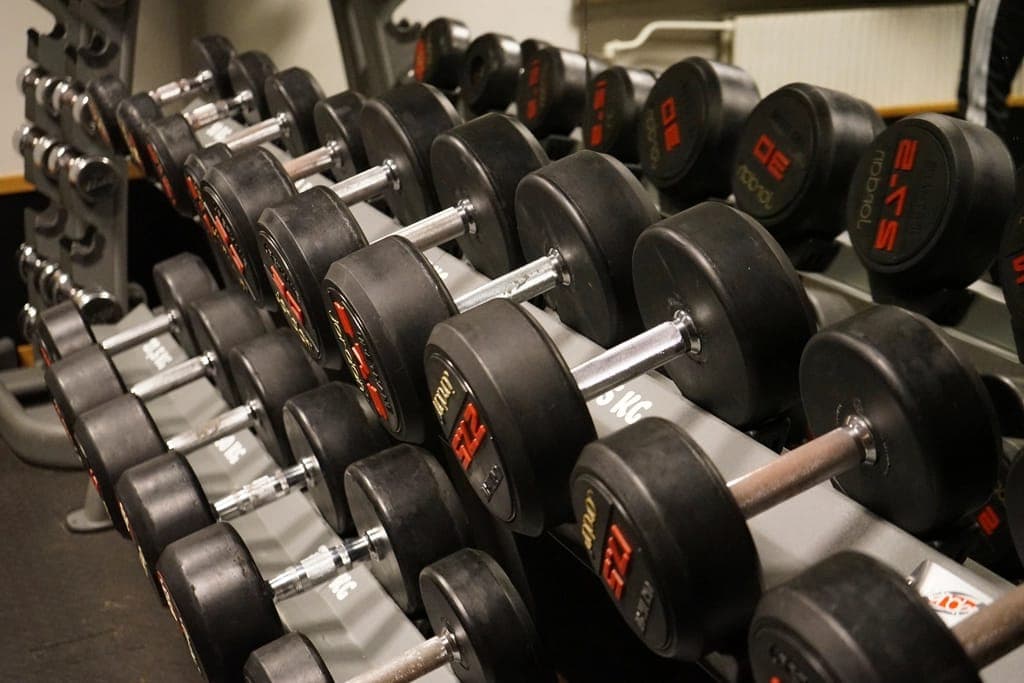
Fitness
Adjustable vs Fixed Dumbbells
The cost-per-pound math, the space math, and the one training style where fixed dumbbells genuinely win.
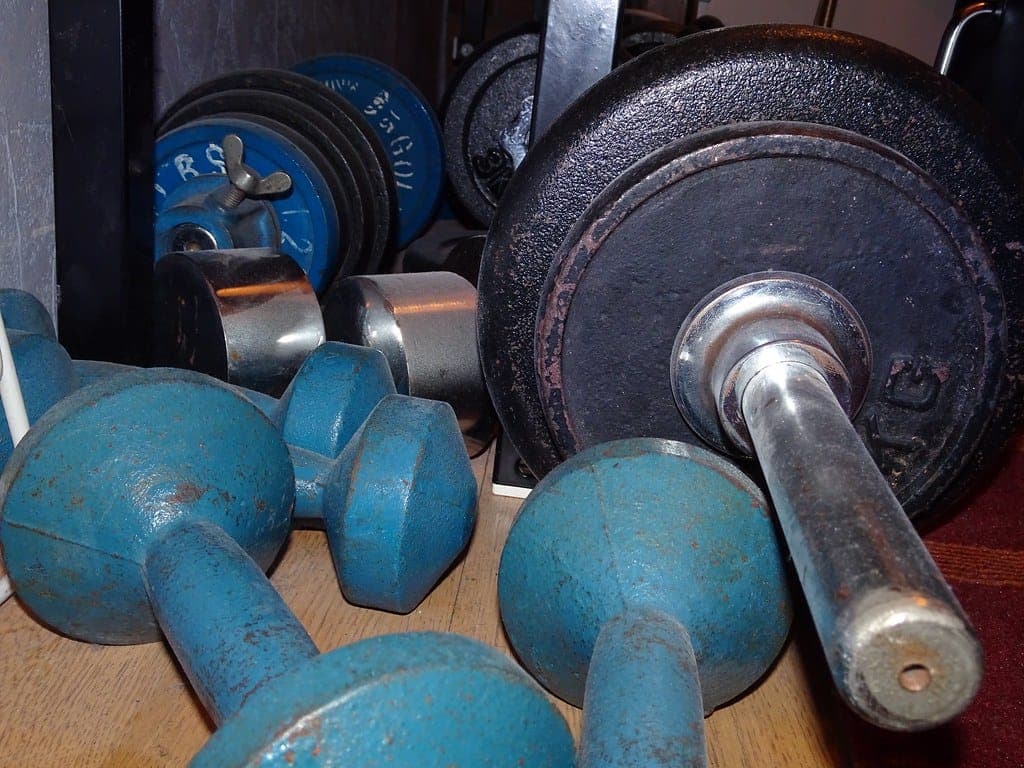
Shop by price
Under $200
Where the compromises start disappearing. Mostly appliances, furniture and bigger tech.
Category
Fitness
Trackers, dumbbells, shoes and treadmills, with the honest line on where budget gear stops being safe.
Think we got a pick wrong, or spotted one that is out of stock or over its ceiling? Tell us - corrections go to the front of the queue.