Fitness
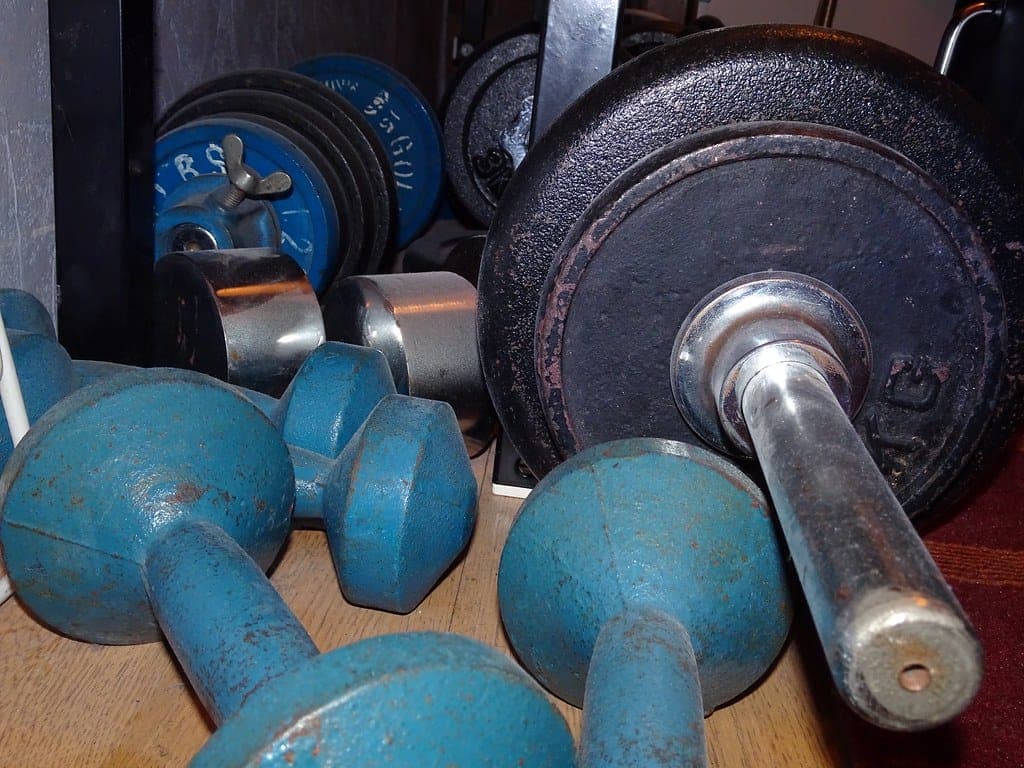
Adjustable vs Fixed Dumbbells
The answer is almost always adjustable, and the reason is arithmetic rather than preference. Here is the arithmetic.
By Brijon M. - Published October 2, 2026

The short answer
For almost every home gym, adjustable dumbbells win: a single adjustable pair covering 5-50 lb replaces ten pairs of fixed dumbbells for a fraction of the cost and a fraction of the floor space. Fixed dumbbells are better only if you have the budget and the room, or if you train with heavy drop sets where seconds of changeover matter.
Disclosure: we earn commission on qualifying purchases made through the links below, at no extra cost to you. It never changes the order of our picks - here is how that works.
The arithmetic, done properly
Fixed dumbbells are sold by weight, at a fairly consistent cost per pound. To cover 5 to 50 pounds in 5-pound increments you need ten pairs, which is 550 pounds of iron per side pair group - roughly 1,100 pounds in total.
At typical per-pound pricing for rubber hex dumbbells, that is well over $1,000, before you buy a rack to hold them and before you find eight feet of wall.
A single adjustable pair covering the same range costs between $120 and $500 depending on mechanism, and occupies about three square feet.
That is not a close comparison, and it is why essentially every home gym that is not in a dedicated garage uses adjustables. The question is not really *whether* adjustable; it is *which* adjustable.
Quick picks
The short version. Tap any row to jump to the full write-up, or go straight to Amazon to check the current price.
| # | Product | Best for | Price |
|---|---|---|---|
| 1 | Cast-iron spin-lock adjustable set Cheapest per pound, nothing to fail, expandable forever. | Best for almost every home gym | |
| 2 | PowerBlock Sport series Selectorized speed with a mechanism that mechanically traps the weight. | Best fast-change set at a sane price | |
| 3 | Rubber hex fixed dumbbell pair Buy a single pair at the weight you use most, alongside adjustables. | The one fixed purchase worth making |
We do not print prices on this site. Every button opens the live Amazon listing so you see the real price at the moment you click. See our affiliate disclosure.
1. Best for almost every home gym
Cast-iron spin-lock adjustable set
Cheapest per pound, nothing to fail, expandable forever.
- Threaded handles
- 1-inch standard plates
- ~40-52 lb per hand
- Screw collars
The default answer. It is the cheapest way to get a usable dumbbell range into a house, the mechanism cannot fail dangerously, and because the plates are a standard bore you can add more cheaply from any brand as you get stronger.
The only real cost is time at the changeover, and for straight-set training that is a non-issue.
What you give up
Thirty to sixty seconds to change weight, loose plates on the floor, and bare iron needs occasional oiling in a damp space.
2. Best fast-change set at a sane price
PowerBlock Sport series
Selectorized speed with a mechanism that mechanically traps the weight.
- Pin selector
- Nested shells
- 2-second changes
- Very compact
If changeover speed genuinely matters to how you train - circuits, drop sets, supersets - this is the set we would trust at the budget end. The nested-shell design captures the weight with a pin rather than hanging plates off a catch.
It is also the most space-efficient option here by a wide margin.
What you give up
The square cage shape is awkward for movements where the dumbbell rotates close to the body, and expansion kits cost far more than loose plates.
3. The one fixed purchase worth making
Rubber hex fixed dumbbell pair
Buy a single pair at the weight you use most, alongside adjustables.
- Rubber coated
- Hex ends do not roll
- Droppable
- Sold by weight
The hybrid approach most home gyms end up at, and the one we would recommend. Buy adjustables for the range, then add one fixed pair at the weight you reach for constantly - usually a moderate dumbbell used for rows, curls, lunges and carries.
That one pair removes most of the changeover friction without the cost of a full rack, and it gives you something you can actually set down hard.
What you give up
Single-weight only, heavy to move, and it takes floor space. Cost per pound is much higher than plate-loaded iron.
Side by side
When fixed dumbbells genuinely win
Heavy pressing where you might have to bail. You can drop a rubber hex dumbbell. You cannot safely drop an adjustable of any kind - selectorized mechanisms break and spin-lock plates scatter. If you press close to failure on heavy dumbbells, this is a real safety argument.
Training styles built on rapid weight changes. Drop sets, mechanical drop sets and dense circuits lose their stimulus if there is a thirty-second gap between weights. Even a two-second selectorized change is slower than putting one dumbbell down and picking up another.
Handle feel. A fixed dumbbell is compact, balanced and properly knurled. Adjustables are longer, wider, or more awkwardly shaped, and for exercises where the dumbbell works close to the body - certain rows, Arnold presses, close-grip presses - that is genuinely noticeable.
Garage gyms with the space and budget. If you have both, a rack of fixed dumbbells is simply nicer to train with and will never need maintenance.
The hybrid most people end up with
The pattern we would actually recommend: an adjustable pair covering the full range, plus one or two fixed pairs at the weights you use constantly.
For most people that fixed pair is something in the 20-30 pound range - the weight used for lateral raises, rows, lunges, curls and warmups. Having it sitting ready means the adjustable set only comes out for the heavy compound work where you are doing straight sets anyway and the changeover does not matter.
That setup costs a little more than adjustables alone and removes most of the daily friction. It is also how it tends to happen organically: people buy adjustables, then buy the one pair they are tired of setting up.
What to buy first
Adjustables, then a bench, then a fixed pair at your most-used weight. The picks and the safety guidance are on best adjustable dumbbells under $200, which also covers the spin-lock versus cheap-selectorized question in detail.
If floor space is the real constraint rather than money, an adjustable kettlebell plus a yoga mat is a complete home setup that fits in a cupboard.
Common questions
+Are adjustable dumbbells worth it?
For almost every home gym, yes. One adjustable pair covering 5-50 lb replaces ten pairs of fixed dumbbells for a fraction of the cost and about three square feet of floor. The arithmetic is not close.
+Can you drop adjustable dumbbells?
No. Selectorized mechanisms break and spin-lock plates can come loose. If you press heavy enough that bailing out is a realistic possibility, a fixed rubber hex pair at that weight is the safer tool.
+Are spin-lock dumbbells annoying to use?
Thirty to sixty seconds per change, both hands. For straight-set training that is genuinely a non-issue. For drop sets and circuits it ruins the workout, and that is the case for a selectorized set.
+How much weight do I need at home?
A pair going to around 50 pounds per hand covers most people for a long time. Pressing and rowing eventually outgrow it; accessory work never does. Spin-lock sets take standard plates, so adding weight later is cheap.
+Should I buy both?
It is the setup most home gyms end up at - adjustables for the range, plus one fixed pair at the weight you reach for constantly. It removes most of the daily changeover friction for a modest extra cost.
Sources
Read next
Best adjustable dumbbells under $200
Best Adjustable Dumbbells Under $200 (October 2026)
Spin-lock beats cheap selectorized at this price, and the reason is a plate landing on your foot. Five picks with the safety case made plainly.

Best yoga mat under $50
Best Yoga Mat Under $50 (October 2026)
Grip, thickness, length. Five mats under $50 and the sweat problem that decides between PVC and rubber.
Shop by price
Under $200
Where the compromises start disappearing. Mostly appliances, furniture and bigger tech.
Category
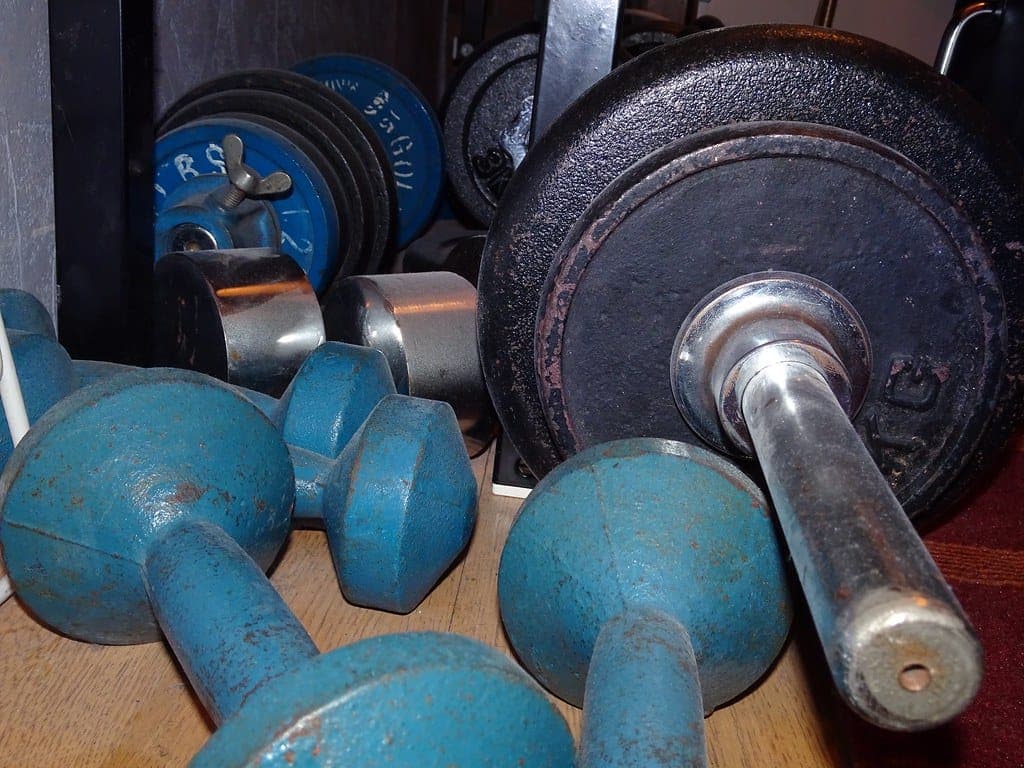
Fitness
Trackers, dumbbells, shoes and treadmills, with the honest line on where budget gear stops being safe.
Think we got a pick wrong, or spotted one that is out of stock or over its ceiling? Tell us - corrections go to the front of the queue.