Fitness - under $50
Best Pull-Up Bar Under $50
Under $50 buys a doorway bar, and a good one. It does not buy a bar you can kip on, and the difference is a safety issue rather than a preference.
By Brijon M. - Published October 23, 2026
The short answer
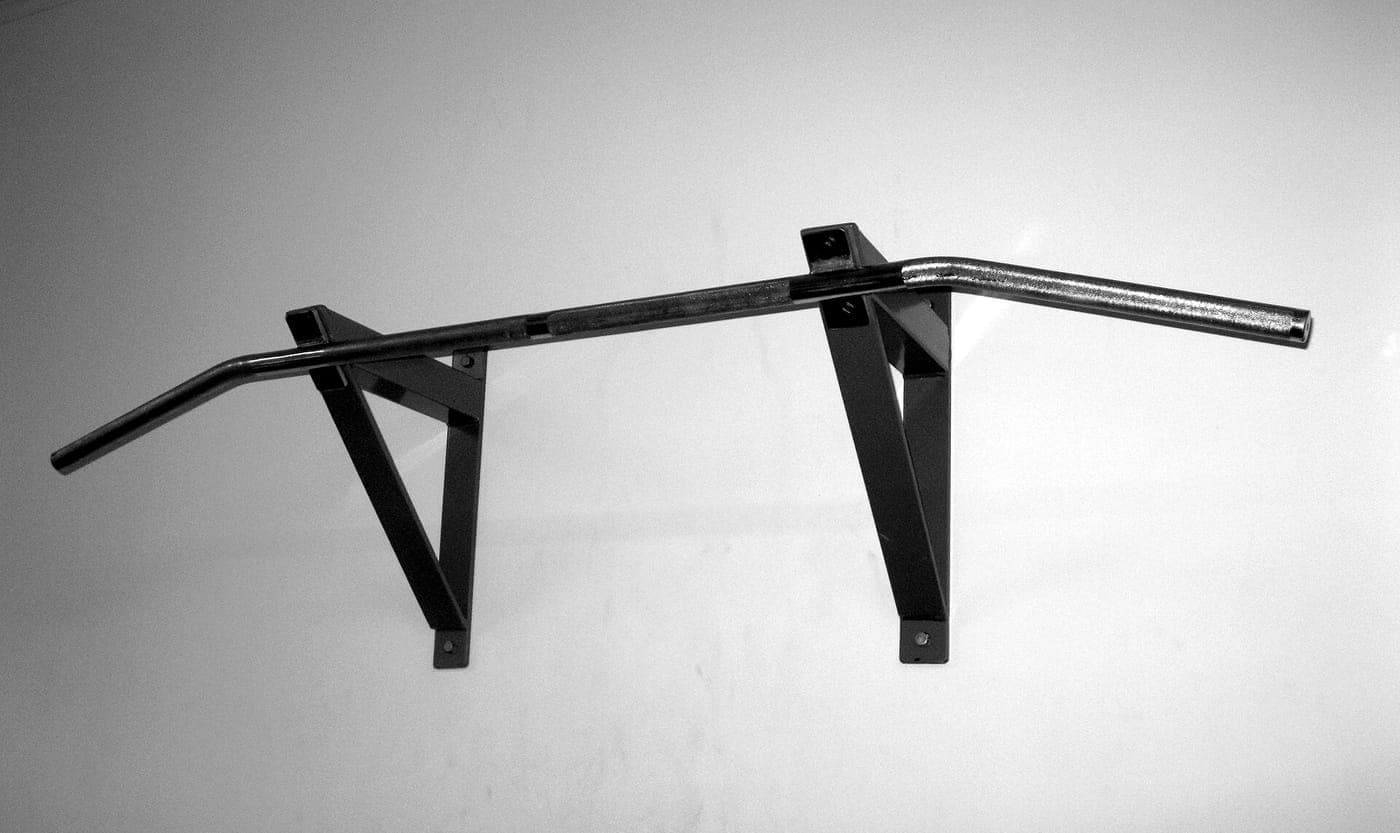
The ProsourceFit Multi-Grip Lite is the best pull-up bar under $50 for most people: steel, rated to 300 lb, six grip positions, fits standard 24 to 32 inch door frames and doubles as a floor bar for push-ups and dips. If your doorway is wider than 32 inches or you are near the weight limit, the no-screw Sportneer bar is rated to 440 lb.
Disclosure: we earn commission on qualifying purchases made through the links below, at no extra cost to you. It never changes the order of our picks - here is how that works.
Three mounting styles, and only one of them is under $50
Pull-up bars split into three groups, and the price differences between them are not a quality ladder - they are three different products solving the same problem in different buildings.
Leverage doorway bars. The common type. A steel frame hooks over the door trim, a padded crossbar presses against the wall above the frame, and your bodyweight levers the whole thing tighter as you hang. No screws, no holes, and it comes down in ten seconds. Everything in this roundup is this type, because this is what $50 buys.
Telescoping or tension bars. A single bar that expands inside the door jamb and holds by friction. Cheaper still, but it is held in place by pressure alone and the failure mode is that it comes out of the frame with you on it.
Wall, joist or ceiling mounted bars. Bolted into studs or joists. Heavy-gauge steel, 500 lb ratings and enough clearance to swing. These start around $80 and run to $150, which is why none of them are picks here - but if you weigh over 250 lb, plan to add weight, or want to kip, this is the group you actually need.
The honest summary: a doorway bar is a genuinely good buy for strict pull-ups, chin-ups and hangs at bodyweight. It is not the right tool for anything dynamic, and no amount of shopping inside a $50 budget changes that.
- Leverage doorway bars: $25-$50, no holes, 300-440 lb typical rating.
- Tension bars: cheapest, and the one style we would not hang a heavy person from.
- Wall or joist mounts: $80+, 500 lb ratings, the only option for kipping or added weight.
- Measure the door frame BEFORE you buy. It is the single most common return reason.
What we judged these on
Every bar here is a steel frame that has to hold a person. The specification sheet is short, so the four things we weighted were the four things that decide whether it fits your house and holds your weight.
Rated capacity against your bodyweight, with headroom. A bar rated to 300 lb is not a bar for a 290 lb person. Pull-ups generate peak loads well above static bodyweight - more again if you drop off the bar rather than step down - so we treat the published rating as a number you should sit comfortably under rather than approach.
Door frame fit, in inches. Most doorway bars fit 24 to 32 inch openings; a few go wider. The other half of the fit question is trim depth, because the hook has to sit over the molding above the door, and deep decorative trim stops several popular bars from seating properly.
Grip positions. Wide, narrow and neutral grips change which muscles do the work, and neutral (palms facing each other) is also the kindest grip on an irritated shoulder or elbow. More grips is a genuine feature rather than a spec-sheet filler.
What it does when it is off the door. The better doorway bars sit on the floor as a push-up and dip station. That is real added value on a product that spends most of the day doing nothing.
We have not load-tested these ourselves. The capacities, frame ranges and dimensions below are manufacturer and retailer specifications, and the durability notes come from published reviews and long-term owner reports, which we cite at the end.
Quick picks
The short version. Tap any row to jump to the full write-up, or go straight to Amazon to check the current price.
| # | Product | Best for | Price |
|---|---|---|---|
| 1 | ProsourceFit Multi-Grip Lite pull-up bar Six grip positions, a 300 lb rating and a price at the bottom of the category. | Best overall | |
| 2 | Iron Gym Total Upper Body Workout Bar The bar that defined the category, still the lowest price with a 300 lb rating. | Best cheapest | |
| 3 | Sportneer adjustable no-screw pull-up bar 440 lb rated, adjusts out to 37 inches, and locks rather than wedges. | Best for wide doorways | |
| 4 | Perfect Fitness Multi-Gym doorway pull-up bar The lightest frame here, with the best off-the-door second life. | Best for push-ups and dips | |
| 5 | ProsourceFit Multi-Use telescoping doorway bar The cheapest thing here that works, and the one we would hold to the lowest weight. | Best for narrow budgets - with a caveat |
We do not print prices on this site. Every button opens the live Amazon listing so you see the real price at the moment you click. See our affiliate disclosure.
1. Best overall
ProsourceFit Multi-Grip Lite pull-up bar
Six grip positions, a 300 lb rating and a price at the bottom of the category.
- Rated to 300 lb
- Fits standard 24-32 inch door frames
- Six non-slip grip positions
- High-grade steel, no tools to mount
This is the one we would buy first. It is the standard leverage design in steel, it is rated to 300 lb, and it covers six grip positions - wide, narrow and neutral - which is as much variety as anything in this price range offers.
It takes no tools to put on the door. The frame hooks over the trim, the padded bar rests against the wall above the opening, and your weight does the clamping. Taking it down to use the door normally is a few seconds.
Off the door it becomes a floor station for push-ups, dips and knee raises, which is the thing that makes a $30 bar feel like a $60 purchase. For a dorm room, an apartment or anywhere you are not allowed to drill, this is close to the whole answer.
If you are building a minimal home gym around bodyweight work, this plus a band set covers most of it - best resistance bands under $50 has the band side, including the long power band that assists pull-ups while you build up to a first rep.
What you give up
The 24-32 inch frame range rules out wide openings, and deep or heavily molded door trim can stop the hook seating flat. Like every leverage bar it presses on the wall above the door and will mark or dent soft drywall and paint over time - put something between the pad and the wall if you rent.
2. Best cheapest
Iron Gym Total Upper Body Workout Bar
The bar that defined the category, still the lowest price with a 300 lb rating.
- Rated to 300 lb
- Fits 24-32 inch doorways
- Three grip positions
- Converts to a floor bar for push-ups and dips
The Iron Gym is the original mass-market doorway bar and it is still the cheapest 300 lb-rated option you can reliably find in stock at a big-box retailer. Everything since has been a variation on this frame.
Three grips - wide, narrow and a pair of neutral handles on the inside - cover the useful range. The frame comes off the door and sits on the floor for push-ups at a deeper range of motion than the floor allows, plus dips and sit-up foot anchoring.
For somebody whose actual question is "can I start doing pull-ups at home without spending real money," this is the lowest-friction way to answer yes.
What you give up
No tools means no precision: the fit is only as good as your trim, and on frames at the top of the 32 inch range it can shift sideways under load. The foam on the grips wears through on heavily used units, and the wall pads mark paint. Three grips rather than six.
3. Best for wide doorways
Sportneer adjustable no-screw pull-up bar
440 lb rated, adjusts out to 37 inches, and locks rather than wedges.
- Rated to 440 lb maximum load
- Adjustable 29.5-37 inch width
- Locking mechanism, no screws
- Non-slip contact pads
Two things put this above the standard leverage bars for some houses. The width adjusts out to 37 inches, which covers openings the 24-32 inch bars simply will not fit, and the published load rating is 440 lb rather than 300.
That capacity headroom is the real argument. If you weigh 220 lb and want to hang a weight belt for loaded chin-ups, a 300 lb-rated bar is already close to the line while this one is not.
It uses a locking mechanism rather than relying purely on friction, which is the difference between this and the cheap tension bars that share its straight-bar appearance.
This is also the pick if the only suitable opening in your home is an unusually wide one - a common problem in newer builds and converted spaces.
What you give up
A single straight bar, so there is no neutral grip and no dip or push-up use off the door. It sits at the top of a $50 budget rather than the bottom, and the wider the span you set it to, the more flex you will feel in the middle of the bar.
4. Best for push-ups and dips
Perfect Fitness Multi-Gym doorway pull-up bar
The lightest frame here, with the best off-the-door second life.
- Rated to 300 lb
- Fits 27-35 inch door frames
- Three grip positions, padded handles
- Just over 6 lb, roughly 23 x 8 x 4.5 inches
At a little over six pounds this is the easiest bar here to lift on and off the door one-handed, which sounds trivial until you are doing it every day in a shared apartment.
The 27 to 35 inch frame range is also wider at the top end than the standard 24-32, so it fits some openings the ProsourceFit and Iron Gym will not.
Reviewers consistently rate it as a solid budget bar with comfortable foam grips and an easy mount, and it is the one we would pick if push-ups and dips on the floor are as important to you as the pull-ups.
What you give up
Published reviews flag that the bolts need re-tightening periodically, that the frame can bend under rough use, and that the foam grips are not especially durable. It will not fit frames with thick trim, and like the rest it can mark the wall above the door.
5. Best for narrow budgets - with a caveat
ProsourceFit Multi-Use telescoping doorway bar
The cheapest thing here that works, and the one we would hold to the lowest weight.
- Rated to 220 lb
- Adjusts from 24 to 39 inches
- Two cushioned foam grips
- Installation kit included
This is the telescoping style: a single expanding bar with an installation kit, and the widest adjustment range in this roundup at 24 to 39 inches.
We are including it because at its price it is the difference between training and not training for some people, and because the adjustment range fits doorways nothing else here will.
But read the next line properly before buying it. Published reviews of this bar flag two real problems: it can mark or damage the door frame, and there are reports of it breaking in use.
Our honest position is that the 220 lb rating plus those reports means we would only use this well under the limit - and if you weigh anywhere near it, buy the Sportneer or save for a wall mount instead. A pull-up bar that fails puts you on the floor from head height.
What you give up
The lowest weight rating here by a wide margin, documented reports of breakage, and a design that bears on the inside of the jamb and can mark or dent it. Two grips only, no neutral position, and nothing to do off the door.
Measure your door frame first
More doorway bars get returned for fit than for quality. Five minutes with a tape measure prevents it.
Measure the opening width, not the door. You want the clear distance between the inside faces of the frame. Standard interior openings in US homes are commonly in the 28 to 32 inch range, but wide openings and older houses vary a lot.
Measure the trim depth above the door. A leverage bar hooks over the molding at the top of the frame. If that trim is deep, heavily profiled or sits proud of the wall, the hook cannot seat flat and the bar will rock. This is the single most common reason a correctly sized bar still does not work.
Check what is above the frame. The padded crossbar presses on the wall above the door, and that pressure is what holds you up. Soft drywall will dent. A mirror, a light switch or a wall-mounted thermostat directly above the frame rules the spot out.
Check your head clearance. You need roughly a hand's width between the bar and the top of the opening, and enough ceiling height above it that you are not hitting your head at the top of each rep. Taller lifters often find their knees hit the floor at the bottom and end up bending them - which is normal and fine.
When $50 is not enough
There are four situations where no doorway bar is the right answer, and buying one anyway is how people get hurt.
You weigh more than about 250 lb. Most doorway bars are rated to 300 lb and peak loads during a pull-up exceed bodyweight. A wall-mounted bar in 11-gauge steel rated to 500 lb costs around $105, and that is the right purchase rather than a stretch of a cheap one.
You want to add weight. A dip belt plus plates puts you over the rating fast. Same answer: bolt something to studs.
You want to kip, swing or do muscle-ups. Dynamic loading is what tears doorway bars off door frames. Doorway bars are for strict, controlled work and hangs.
Your trim or frame will not take it. Some homes simply do not have a suitable doorway, and forcing a bar onto a marginal one is a bad trade.
In all four cases the step up is a wall, joist or ceiling mount. Expect roughly $80 to $150, expect to find studs, and expect a 500 lb-class rating and real swing clearance in return. We would rather tell you to spend $105 once than sell you a $30 bar that is wrong for you - the same logic we apply to cheap gear generally in are cheap fitness trackers any good.
How to get your first pull-up on one of these
A bar on its own does not produce pull-ups. The progression that does, in order, and all of it fits inside this budget.
Dead hangs. Hang from the bar with straight arms, shoulders active rather than shrugged into your ears. Build to 30 seconds. This develops grip and the connective tissue that gets angry when you skip straight to reps.
Scapular pulls. From a dead hang, pull your shoulder blades down and back without bending your arms. Small movement, and it teaches the start of the pull that most beginners never learn.
Negatives. Jump or step to the top position and lower yourself as slowly as you can. Three to five reps. This is the single most effective drill for a first pull-up because you are strongest in the lowering phase.
Band-assisted reps. Loop a long power band over the bar and put a foot or knee in it. The band gives the most help at the bottom, which is exactly where you are weakest. Move to a thinner band as you get stronger - best resistance bands under $50 covers which band to buy for this.
Chin-ups first. Palms facing you recruits more biceps and is easier for most people than a pronated pull-up. There is no rule that says you have to earn the harder version first.
Three sessions a week, stopping well short of failure, beats one brutal session. Connective tissue adapts slower than muscle, and elbow tendonitis from too much too soon is the most common way this ends badly.
What we would actually buy
Standard doorway, under 200 lb, want the most from the money: the ProsourceFit Multi-Grip Lite.
The absolute cheapest route into pull-ups: the Iron Gym Total Upper Body Workout Bar.
Wide doorway, heavier lifter, or planning to add weight later: the Sportneer, for the 440 lb rating and the wider span.
You care about push-ups and dips as much as pull-ups: the Perfect Fitness Multi-Gym.
Over 250 lb, or you want to kip: none of these. Budget around $105 for a wall-mounted bar and find your studs.
A pull-up bar is one of three purchases that build a usable home gym on a small budget - the other two are adjustable dumbbells and a weight bench, and bands cover what is left.
How we picked
Every pick on this page is a real, currently-sold product that we could find at or under $50 at the time of the last update. Rank order is set before any link is attached.
We are research-led, not lab-led. We do not run a test lab and we do not claim to have personally used every product on this site. Picks come from manufacturer specifications, owner-reported reliability and failure patterns, expert-publication consensus, and real availability at the stated price ceiling. Read the full method.
Common questions
+What is the best pull-up bar under $50?
The ProsourceFit Multi-Grip Lite for most people - steel, rated to 300 lb, six grip positions, fits 24 to 32 inch door frames and converts to a floor bar for push-ups and dips. For wide openings or heavier users, the Sportneer no-screw bar adjusts to 37 inches and is rated to 440 lb.
+Are doorway pull-up bars safe?
A leverage-style doorway bar used strictly, within its weight rating, on a door frame it actually fits is safe. The risks come from exceeding the rating, dynamic movements like kipping, deep trim that stops the hook seating flat, and tension bars that hold by friction alone. Check the mount every few sessions - they loosen.
+Will a pull-up bar damage my door frame?
It can. Leverage bars press a padded crossbar against the wall above the opening, which marks paint and can dent soft drywall over time, and telescoping bars bear on the inside of the jamb. A folded towel or a piece of thin rubber between the pad and the wall prevents most of it.
+What size doorway do I need for a pull-up bar?
Most doorway bars fit openings between 24 and 32 inches wide; some adjust out to 35 or 37 inches. Measure the clear width between the inside faces of the frame, not the door. Also check the depth of the trim above the door, because the hook has to sit flat over it.
+How much weight can a doorway pull-up bar hold?
Typically 300 lb for a leverage-style bar, with some models rated to 440 lb and cheap telescoping bars as low as 220 lb. Treat the rating as a ceiling to stay well under rather than a target, because the peak force in a pull-up is higher than your static bodyweight.
+Do I need a wall-mounted pull-up bar instead?
Yes, if you weigh more than roughly 250 lb, plan to train with added weight, or want to kip, swing or do muscle-ups. Wall and joist mounts in 11-gauge steel are rated around 500 lb and start near $105, which is the right spend for any of those cases.
Sources
- BarBend - best over-the-door pull-up bars (weight capacities, door frame ranges, grip counts, pros and cons)
- Garage Gym Reviews - best pull-up bars, expert tested (wall-mounted ratings and pricing used for the step-up section)
- Garage Gym Reviews - ProsourceFit Multi-Use doorway chin-up bar review (220 lb rating, 24-39 inch range, breakage and frame-damage reports)
- Garage Gym Reviews - Perfect Fitness Multi-Gym pull-up bar review (300 lb rating, weight and dimensions, durability notes)
- Walmart - Iron Gym Total Upper Body Workout Bar listing (300 lb capacity, 24-32 inch doorway fit)
- ProsourceFit - Multi-Grip Lite pull-up bar product page (steel construction, 300 lb capacity, 24-32 inch fit)
Read next

Resistance band pick
Best Resistance Bands Under $50
Loop, tube or pull-up band - three different products, three different jobs. Five sets under $50 and how to stop them snapping.

Best adjustable dumbbells under $200
Best Adjustable Dumbbells Under $200 (October 2026)
Spin-lock beats cheap selectorized at this price, and the reason is a plate landing on your foot. Five picks with the safety case made plainly.
Best adjustable weight bench under $200
Best Adjustable Weight Bench Under $200 (October 2026)
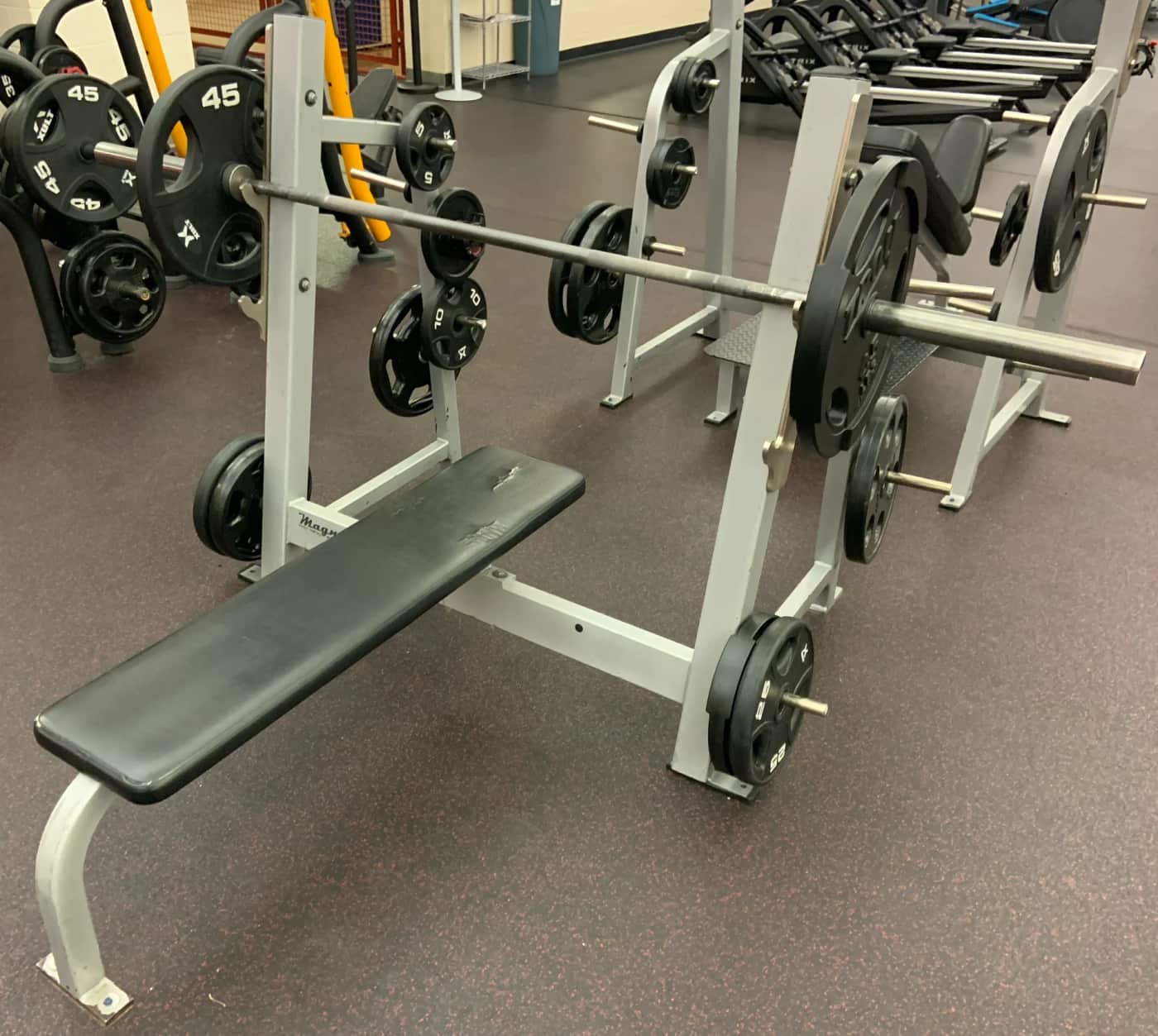
Load rating, pad gap and frame geometry - the three things that matter on a bench. Five picks under $200 and where we draw the safety line.

Category
Fitness
Trackers, dumbbells, shoes and treadmills, with the honest line on where budget gear stops being safe.

Shop by price
Under $50
The impulse tier. Some categories are genuinely solved at $50; others are a false economy, and we say which.
Think we got a pick wrong, or spotted one that is out of stock or over its ceiling? Tell us - corrections go to the front of the queue.