Kitchen
Is a Sous Vide Worth It?
It does one thing no other method does. Whether that one thing is worth a hundred dollars depends entirely on what you cook.
By Brijon M. - Published October 17, 2026
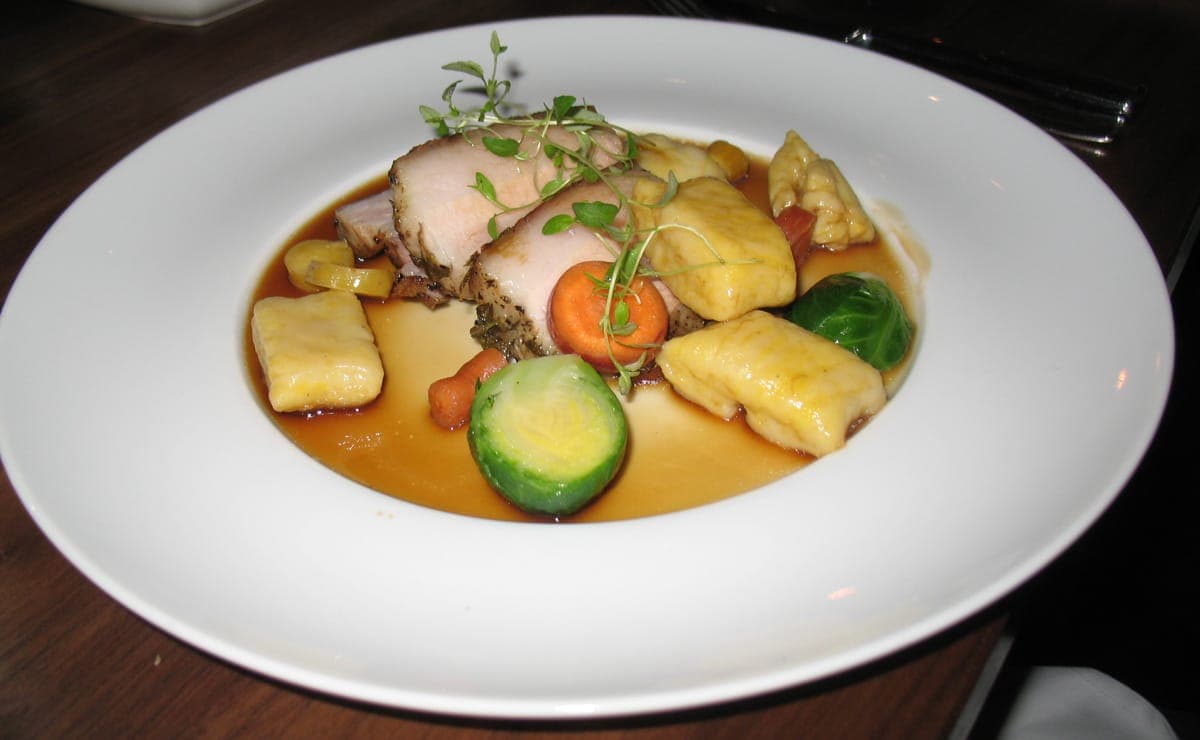
The short answer
A sous vide circulator is worth it if you cook steak, chicken breast or pork chops regularly and care about hitting an exact doneness every time - nothing else does that. It is not worth it if you mostly cook fast weeknight food, because sous vide is slow, needs a separate searing step and adds bags, a container and counter clutter.
Disclosure: we earn commission on qualifying purchases made through the links below, at no extra cost to you. It never changes the order of our picks - here is how that works.
What sous vide actually does
A sous vide circulator is a stick heater with a pump. It holds a water bath at a precise temperature - typically within a fraction of a degree - and you cook food sealed in a bag in that water.
The consequence is the whole point: food cannot overcook past the water temperature. Set 130°F and a steak reaches 130°F and stops. Leave it an extra hour and it is still 130°F. Every other cooking method is a race against a hotter environment, and you are trying to pull the food at the right moment.
The second consequence is edge-to-edge doneness. A pan-seared steak has a grey band under the crust where the heat travelled inward. A sous vide steak is the same colour from one side to the other, with a crust added in a thirty-second sear at the end.
That is the entire proposition. Everything else - convenience, batch cooking, holding food for guests - follows from the fact that the food stops changing once it reaches temperature.
- Exact doneness, repeatable, impossible to overshoot.
- A wide finishing window - dinner can wait an hour without damage.
- Always needs a second step: a hard sear, because water cannot brown anything.
- Slow. One to four hours for things a pan does in ten minutes.
What it is genuinely better at
Thick steak. The clearest win in the whole technique. A 1.5-inch ribeye at an exact medium-rare across its full thickness is difficult in a pan and trivial in a water bath.
Chicken breast. The second-best argument and the more useful one for everyday cooking. Chicken breast is ruined by three degrees of overcooking and almost nobody nails it consistently in a pan. At 150°F it is safe, juicy and repeatable.
Pork chops. Same reasoning. Lean, unforgiving, dramatically better when it cannot overshoot.
Eggs. 63°C eggs are a sous vide signature and essentially unreproducible otherwise.
Tough cuts held for a long time. Short rib or brisket at a low temperature for 24-48 hours comes out tender while still at a steak-like doneness, which no braise can do.
Cooking for a crowd. Twelve steaks finished to the same doneness and held until everyone sits down is a genuine problem that sous vide solves and nothing else does.
Quick picks
The short version. Tap any row to jump to the full write-up, or go straight to Amazon to check the current price.
| # | Product | Best for | Price |
|---|---|---|---|
| 1 | Inkbird ISV-100W immersion circulator Full sous vide capability for well under the price of the name brands. | Cheapest way in | |
| 2 | Anova Precision Cooker Nano 3.0 Compact, reliable, onboard controls - the default recommendation in the category. | Best for most people | |
| 3 | A 12-quart container with a lid and rack Cuts evaporation, holds bags upright, and turns a faff into a routine. | The accessory that makes it usable | |
| 4 | A vacuum sealer, or zip-top bags Zip-top bags and the water-displacement method work fine - start there. | The consumable you cannot skip |
We do not print prices on this site. Every button opens the live Amazon listing so you see the real price at the moment you click. See our affiliate disclosure.
1. Cheapest way in
Inkbird ISV-100W immersion circulator
Full sous vide capability for well under the price of the name brands.
- Immersion circulator, clamps to any pot
- Wi-Fi app control
- Typically around 1000W
- Under $80 at street prices
If you want to find out whether sous vide fits your cooking without committing a lot of money, this is the sensible entry point. The physics does not change with price - a circulator holds a temperature, and the cheap ones hold it accurately enough.
It clamps to a stockpot you already own, which removes the container cost from the first purchase.
Buying at this level also makes the "used it twice" outcome much less painful, which matters for a technique that genuinely does not suit everybody.
What you give up
A less established brand for long-term support and spare parts, and app polish well behind Anova's. Check the maximum water depth it will run at before pairing it with a deep container.
2. Best for most people
Anova Precision Cooker Nano 3.0
Compact, reliable, onboard controls - the default recommendation in the category.
- Compact body, fits in a drawer
- Onboard touchscreen plus dual-band Wi-Fi
- Clamps to a stockpot
- Around $149 at list
Anova is the brand that made this category domestic, and the Nano is the version sized for a home kitchen rather than a restaurant.
The onboard controls matter more than they sound. A circulator you can set on the unit itself keeps working when the app has an update, the Wi-Fi is down or the company changes its servers - and in a category full of app-dependent hardware, that is a durability argument.
It is small enough to live in a drawer, which for an appliance used once or twice a week is the difference between keeping it and selling it.
What you give up
Noticeably more than the budget circulators for the same core capability, lower wattage than the full-size Anova so a large bath takes longer to come up, and still needs a container and bags you buy separately.
3. The accessory that makes it usable
A 12-quart container with a lid and rack
Cuts evaporation, holds bags upright, and turns a faff into a routine.
- 12 quart polycarbonate container
- Cut lid sized to the circulator
- Rack to hold bags separated
- Insulating sleeve on some models
This is the purchase that decides whether a circulator gets used. A stockpot works, but it evaporates over a long cook, it does not keep bags apart, and you have to top it up.
A lidded container with a rack stops evaporation, holds bags upright and separated so water circulates around each one, and removes the fiddliness that makes people give up on a four-hour cook.
Budget for it from the start. A circulator plus a proper container is the real cost of entry, and pretending otherwise is how the technique gets abandoned.
What you give up
It is a large plastic box to store - genuinely awkward in a small kitchen - and the lid cut-out is model-specific, so check it matches your circulator's collar before buying.
4. The consumable you cannot skip
A vacuum sealer, or zip-top bags
Zip-top bags and the water-displacement method work fine - start there.
- Zip-top freezer bags work for most cooks
- Water displacement removes air with no machine
- A vacuum sealer helps for long cooks and freezing
- Reusable silicone bags available
You do not need a vacuum sealer to start, and buying one before you know you will use sous vide is the most common way to overspend on this technique.
The water-displacement method is free: put the food in a zip-top freezer bag, lower it into the water with the seal open, let the water pressure push the air out, then seal above the waterline.
A vacuum sealer becomes worth it if you batch-cook and freeze, or run very long cooks where a zip-top seal can fail. Until then it is an accessory, not a requirement.
What you give up
Single-use bags are a recurring cost and a waste stream; reusable silicone bags cost more upfront and are harder to seal reliably. Vacuum sealers add another machine to store.
The three downsides, honestly
It is slow, and the slowness is not optional. A steak is an hour minimum, a chicken breast an hour and a half, a short rib a day or two. You cannot decide at 6pm to sous vide dinner. This is the reason most circulators end up in a cupboard: it is a weekend technique being sold as a weeknight one.
It does not finish the food. Water cannot brown anything, so everything comes out of the bag pale and needs a hard sear in a screaming pan or with a torch. That is a second pan, a second lot of smoke, and a second thing to wash. Anyone who says sous vide is hands-off is leaving out the last five minutes.
It adds things. A circulator, a container, a lid, a rack, bags, and somewhere to keep all of it. For a small kitchen that is a real cost, and it is paid every time the thing comes out.
A fourth, smaller point: food safety at low temperatures depends on holding time as well as temperature. The standard tables are well established and easy to follow, but "130°F for four hours" is a rule you follow rather than improvise around.
Who should not buy one
If most of your cooking is fast and improvised. Sous vide rewards planning and punishes spontaneity, and a technique that needs an hour of lead time does not fit a kitchen that runs on twenty-minute decisions.
If you mostly cook vegetables, pasta, stir-fries or baked goods. Almost none of sous vide's advantages apply. Vegetables need temperatures near boiling to break down, which removes the precision argument entirely.
If you already nail steak. If you are comfortable with a thermometer, a hot pan and a reverse sear in the oven, you are getting most of the benefit with equipment you own. The gap sous vide closes is largest for people who find doneness unpredictable.
If counter and cupboard space is your binding constraint. The circulator is small; the container is not.
If you fall into those groups, the budget is better spent elsewhere in the kitchen - a good chef knife under $50 or a cookware set under $200 will change more meals than a circulator will.
The cheap way to test whether you would use it
Before spending anything on a circulator, run the technique manually once. It costs about fifteen dollars and answers the question honestly.
Buy an instant-read thermometer. Fill a large pot with water, bring it to your target temperature on the hob, and hold it there by nudging the burner for an hour while a bagged chicken breast cooks in it. It is tedious - that tedium is exactly what the circulator is removing - but the result is the real thing.
What you learn: whether you like the texture, whether you will actually do the sear, and whether the one-hour lead time fits your evenings. Those three answers decide the purchase far better than any review.
The thermometer is not wasted either way. It is the single most useful cheap tool in a kitchen, and if you decide against sous vide it will improve your pan-cooked steak immediately.
If the test goes well, start with a budget circulator and a stockpot, and add the container once you know you are keeping it. If it goes badly, you have spent fifteen dollars on a thermometer you should have owned anyway.
Common questions
+Is a sous vide worth it for home cooking?
If you regularly cook steak, chicken breast or pork chops and want exact, repeatable doneness, yes - nothing else guarantees it. If you mostly cook fast weeknight food, vegetables or baked goods, no: it is slow, needs a separate searing step, and adds a container, bags and clutter for benefits you will rarely use.
+How much does a sous vide setup cost?
A budget circulator such as the Inkbird ISV-100W is under $80 and an Anova Nano is around $149. Add a 12-quart container with a lid and rack, plus bags. You can start with a stockpot and zip-top bags using the water-displacement method, which keeps the first purchase to the circulator alone.
+Do you need a vacuum sealer for sous vide?
No. The water-displacement method works with ordinary zip-top freezer bags: lower the open bag into the water so the pressure pushes the air out, then seal it above the waterline. A vacuum sealer only becomes worth it for batch-cooking, freezing, or very long cooks where a zip seal can fail.
+Does sous vide food need to be seared?
Yes. Water cannot brown anything, so meat comes out of the bag pale and needs a hard sear in a very hot pan or with a torch - typically 30 to 60 seconds a side. Anyone describing sous vide as completely hands-off is leaving out that step.
+How long does sous vide take?
Longer than you expect. A steak is about an hour, a chicken breast an hour and a half, a pork chop one to two hours, and tough cuts like short rib 24 to 48 hours. It is a technique you plan around rather than one you decide on at dinnertime.
+What is the cheapest way to try sous vide?
Buy an instant-read thermometer, hold a pot of water at your target temperature on the hob by adjusting the burner, and cook a bagged chicken breast in it for an hour. It is tedious, which is precisely what the circulator removes, but it tells you whether you like the result before you spend anything else.
Sources
Read next
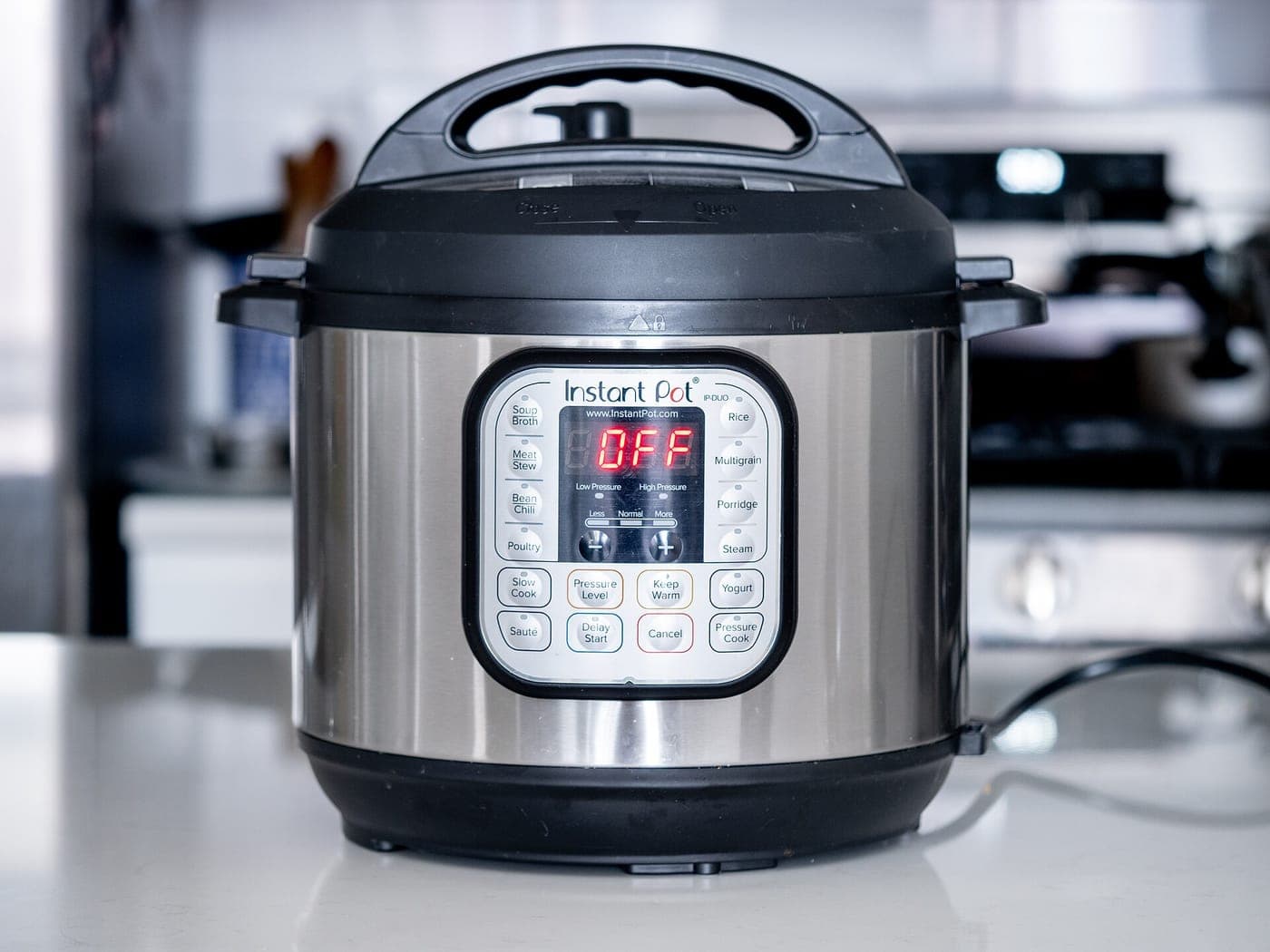
Best budget Instant Pot
Best Budget Instant Pot
Rio, Duo, Duo Plus, Mini or 8-quart - the budget models decoded, with what each one actually adds and what it does not.
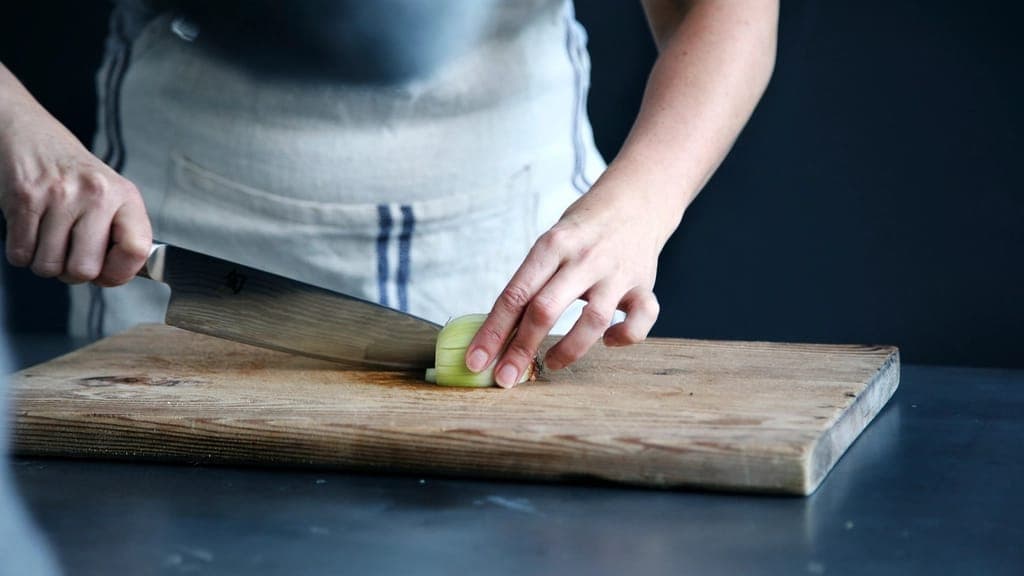
Best chef's knife under $50
Best Chef's Knife Under $50 (October 2026)
The clearest budget win on the site. Five chef's knives under $50, and why sharpening beats steel.
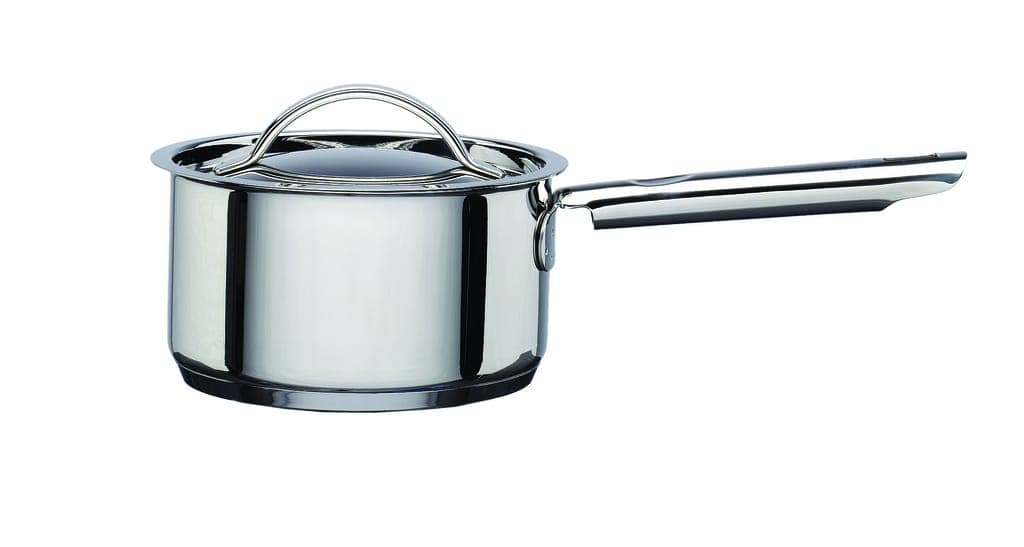
Best cookware set under $200
Best Cookware Set Under $200 (October 2026)
Tri-ply clad stainless or hard-anodized nonstick - pick a lane. Five sets under $200 and what each one gives up.
Kitchen
Cheap vs Expensive Stainless Steel Pan: Where the Money Goes
Fully clad versus disc-bottom, what each one changes on the stove, and the one budget pan that gives you the expensive construction.

Category
Kitchen
Air fryers, blenders, knives and coffee gear - the categories where spending more buys the least.
Think we got a pick wrong, or spotted one that is out of stock or over its ceiling? Tell us - corrections go to the front of the queue.