Kitchen - under $100
Best Budget Instant Pot
There are a dozen models with overlapping names, and the cheapest one is the right answer far more often than the lineup implies.
By Brijon M. - Published October 23, 2026
The short answer
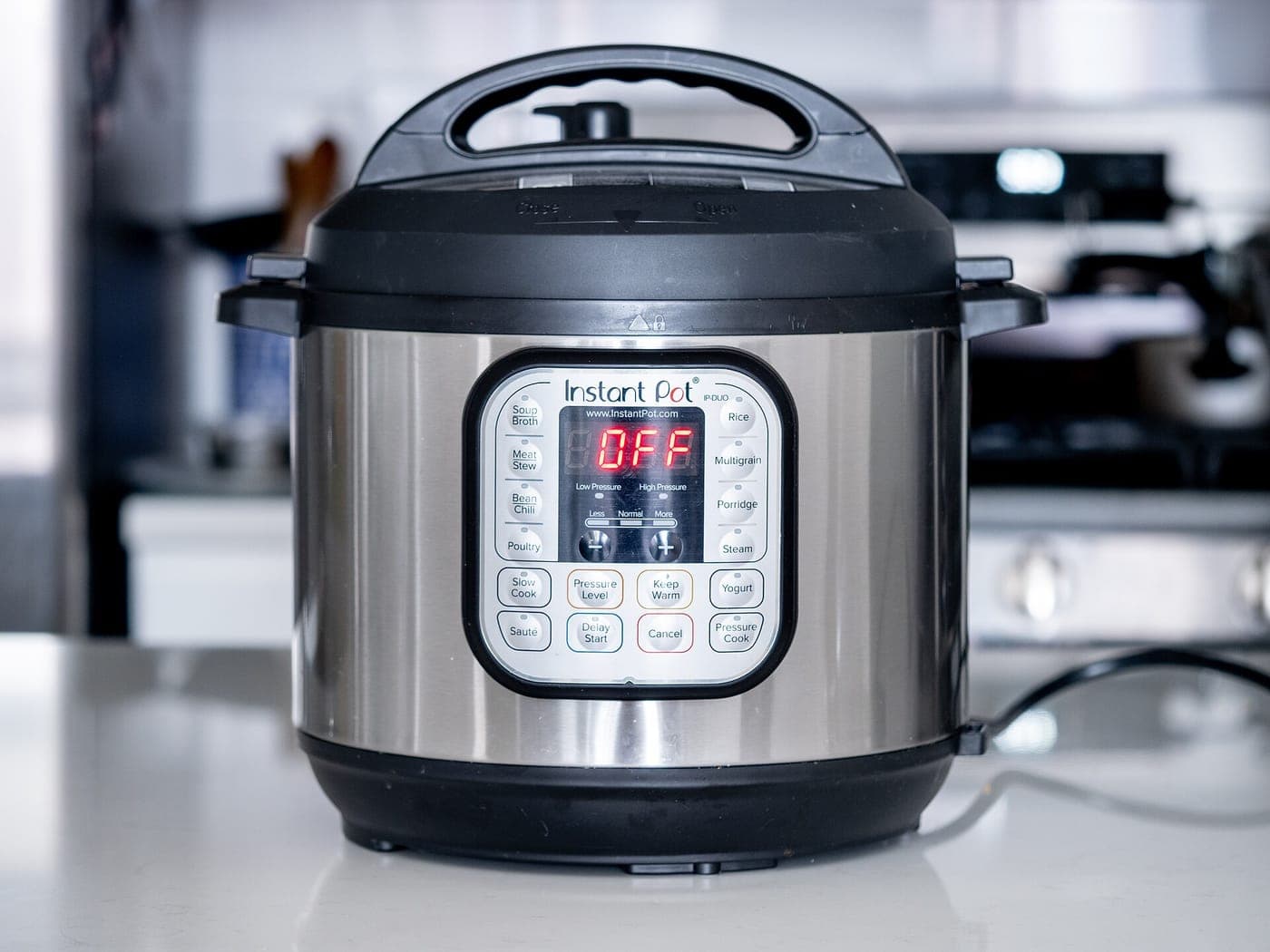
For most households the 6-quart Instant Pot Rio is the buy. It is the current entry model, it runs the same 1000-watt element and stainless inner pot as the models above it, and it adds the front steam-release switch the older Duo does not have. Pay more only for a specific function you have already decided you need.
Disclosure: we earn commission on qualifying purchases made through the links below, at no extra cost to you. It never changes the order of our picks - here is how that works.
The lineup, decoded
Instant Brands sells roughly a dozen multi-cookers at any given moment, the names overlap, and the marketing copy for all of them says the same four things. Here is what actually separates them.
Rio is the current entry line. It replaced the old budget models and it is what you will find on most shelves now. The 6-quart runs 1000 watts, lists seven cooking functions - pressure cook, slow cook, saute, steam, rice, yogurt and keep warm - and 13 one-touch programs, with an 18/8 stainless inner pot on a tri-ply base.
Duo is the long-running model the Rio was built from, and Instant Pot still sells it. Spec for spec it is the same machine: 1000 watts, seven functions, 13 programs, the same stainless tri-ply pot. It is the one to buy if the Duo happens to be cheaper the week you shop.
Duo Plus is the first real step up. It adds sous vide and a sterilize program, runs 15 one-touch programs rather than 13, and swaps in a larger display with a quieter steam release.
Pro, Max, Duo Crisp and Pro Plus are the expensive end - 28 programs, canning, an air-fryer lid, Wi-Fi. All of them sit well above a budget ceiling and none of them pressure-cook better than the Rio.
The practical reading: the difference between the cheapest Instant Pot and the mid-priced one is a handful of convenience programs, not cooking performance. Pressure is pressure.
- Rio and Duo are the same machine with a different fascia and steam-release design.
- Duo Plus is the only near-budget model that adds genuinely new functions (sous vide, sterilize).
- Everything above Duo Plus is paying for an air-fryer lid, Wi-Fi or canning.
- Size, not model, is the decision most people get wrong.
What we judged these on
A multi-cooker is a sealed pressure vessel with a heating element and a timer. There is less room for a cheap one to be bad than the price spread suggests, so the criteria that matter are narrow, and we held every pick below to them.
Does it have a stainless inner pot? Instant Pot uses 18/8 stainless with a tri-ply bottom across the budget range, and that is the most important build spec in the category - nonstick coatings inside a pressure cooker scratch, flake and then have to be replaced. Every pick below has the stainless pot.
Is the capacity right for the household? This is the real failure point. A 6-quart is rated for about six servings, a 4-quart for about four, and the 8-quart steps up to a 1200-watt element to match the volume. Buying too big wastes counter space and lengthens come-to-pressure time; buying too small means you cannot fit a whole chicken.
How does the steam release work? On older designs you reach over the vent and turn a valve while it blasts. The switch-style release on the Rio and the quieter release on the Duo Plus are the only ergonomic upgrades in the budget range we think are worth money.
Is the function you are paying for one you will use? Yogurt, sous vide and sterilize all sound useful and get used by a minority of owners. The functions that get used weekly are pressure cook, saute and keep warm, and they are on every model here.
We do not run a test kitchen and we do not claim to have cooked on all of these. What follows is the published specification read against the price, plus what long-term owners and editorial reviewers consistently report.
Quick picks
The short version. Tap any row to jump to the full write-up, or go straight to Amazon to check the current price.
| # | Product | Best for | Price |
|---|---|---|---|
| 1 | Instant Pot Rio 6-quart multi-cooker The current entry model, with the one ergonomic upgrade in the budget range that actually matters. | Best overall | |
| 2 | Instant Pot Duo 6-quart Mechanically the same cooker as the Rio, and frequently the lower price of the two. | Best when it is cheaper | |
| 3 | Instant Pot Rio Mini 4-quart The size most small households should have bought in the first place. | Best for one or two people | |
| 4 | Instant Pot Duo 8-quart A bigger element and a bigger pot, for people who cook once and eat five times. | Best for batch cooking | |
| 5 | Instant Pot Duo Plus 6-quart The only budget-adjacent model that adds functions rather than finishes. | Best step up |
We do not print prices on this site. Every button opens the live Amazon listing so you see the real price at the moment you click. See our affiliate disclosure.
1. Best overall
Instant Pot Rio 6-quart multi-cooker
The current entry model, with the one ergonomic upgrade in the budget range that actually matters.
- 6 qt, rated for about 6 servings
- 1000 watts, 7 functions, 13 programs
- 18/8 stainless inner pot, tri-ply base
- Easy-Release steam switch, dishwasher-safe lid and pot
This is the default answer for a household of two to five people, and the reason is that it gives up nothing that affects how the food comes out. Same wattage as the Duo, same stainless pot, same seven functions including yogurt.
What it adds over the older design is the steam release. Instead of reaching across a venting valve, you move a switch on the top panel, and the lid seals itself when you close it rather than needing you to remember to turn the valve to Sealing. That second part quietly removes the most common reason a first pressure-cooker recipe fails.
Instant Pot lists over ten safety mechanisms including overheat protection and a lid lock, and the lid and inner pot are both dishwasher safe - which is the part of ownership you actually feel week to week.
At 6 quarts it will take a whole chicken, a pot roast, a batch of dried beans or enough chili for a week of lunches. That covers the use cases that made this category popular in the first place.
What you give up
One year of warranty, same as the rest of the budget line. The wider, shorter body takes more counter depth than the old Duo, and the sealing ring still absorbs smells - plan on buying a second ring if you cook curry and then want to make rice pudding.
2. Best when it is cheaper
Instant Pot Duo 6-quart
Mechanically the same cooker as the Rio, and frequently the lower price of the two.
- 6 qt, rated for about 6 servings
- 1000 watts, 7 functions, 13 programs
- 18/8 stainless inner pot, tri-ply base
- 13.4 x 12.2 x 12.5 inches
The Duo is the model that built the category, it is still in the lineup, and on paper it matches the Rio function for function. If the Duo is meaningfully cheaper on the day you buy, buy the Duo - you are not giving up cooking performance.
Accessory support is the quiet advantage. More than a decade of sealing rings, glass lids, steamer baskets, spring-form pans and third-party inner pots were designed around this body, so replacement parts are easy to find and inexpensive.
The control panel is the older button grid rather than a flat membrane, which some owners prefer because every program has its own labeled key instead of sitting behind a menu.
What you give up
You give up the Easy-Release switch and the self-sealing lid, which means venting the old way and remembering to turn the valve to Sealing before you start. The older display is smaller, and the raised button grid collects grease in a way a flat panel does not.
3. Best for one or two people
Instant Pot Rio Mini 4-quart
The size most small households should have bought in the first place.
- 4 qt, rated for about 4 servings
- 800 watts, 7 functions
- 13.82 x 12.52 x 10.08 inches
- Same stainless inner pot construction
The most common regret in this category is a 6-quart sitting unused because it is too big for the way one or two people actually cook. A 4-quart holds about four servings - a dinner plus leftovers - and it comes to pressure faster because there is less mass to heat.
It also fits in a cupboard. A 6-quart tends to live on the counter because moving it is a two-handed job; the Mini is light enough to put away between uses, and an appliance you can put away is an appliance you keep.
For rice, oatmeal, a pot of beans, two chicken breasts or a small batch of soup, this does everything the bigger one does in less time.
What you give up
800 watts rather than 1000, so it is slower per pound once loaded. It will not take a whole chicken or a full pot roast, most published pressure-cooker recipes are written for a 6-quart so you will be halving things, and accessories sized for 6-quart pots do not fit.
4. Best for batch cooking
Instant Pot Duo 8-quart
A bigger element and a bigger pot, for people who cook once and eat five times.
- 8 qt capacity
- 1200 watts, 7 functions, 13 programs
- 18/8 stainless pot, tri-ply base
- 14.8 x 13.3 x 14.2 inches
If you meal-prep for a week, cook for five or more, or regularly make stock, the 8-quart is the one that stops you cooking in two batches. The element steps up to 1200 watts to match the extra volume.
Stock is the use case that justifies it on its own. A pressure cooker turns a long simmer into a couple of hours, and 8 quarts is the first size where a full chicken carcass plus vegetables and water sits comfortably under the max-fill line.
It is otherwise the same cooker as the 6-quart Duo - same functions, same programs, same pot material, same accessories except for size.
What you give up
It is large, heavy, and tall enough that it only just clears most upper cabinets. A half-full 8-quart takes noticeably longer to come to pressure than a full 6-quart, and for a two-person household this is the wrong purchase almost every time.
5. Best step up
Instant Pot Duo Plus 6-quart
The only budget-adjacent model that adds functions rather than finishes.
- 6 qt capacity
- 15 one-touch programs, 9 functions
- Adds sous vide and sterilize
- Quieter steam release, larger display
If you want one machine to also do sous vide, this is where to spend the extra. The Duo Plus adds a sous vide program and a sterilize program on top of the standard seven functions, and runs 15 one-touch programs.
The sterilize function is the sleeper feature: genuinely useful for baby bottles, fermentation jars and canning equipment, and the one thing on this list with no cheap workaround.
The display is larger and the steam release is quieter than the standard Duo, which matters more than it sounds like it should in an open-plan kitchen at nine in the evening.
If sous vide is the only reason you are looking at it, read is a sous vide worth it first - a dedicated immersion circulator does that job better for similar money.
What you give up
It typically lands well above the Rio for two programs most owners never touch, and the multi-cooker sous vide mode holds temperature less precisely than a real circulator because there is no water pump. Still one year of warranty.
What size Instant Pot do you actually need?
Size is the decision that determines whether this thing gets used, and the sizing on the box is optimistic, because a pressure cooker cannot be filled to the brim. The max-fill line sits around two thirds, and lower again for foods that foam - beans, pasta and grains.
One or two people: 4 quarts. Enough for dinner and leftovers, fast to heat, light enough to store in a cupboard.
Three to five people: 6 quarts. This is the size nearly every published recipe is written for, and it takes a whole chicken or a small pot roast.
Six or more, or serious meal prep: 8 quarts. Also the right call if you make stock often.
The 3-quart Mini still exists in the Duo line and is genuinely useful as a second pot for rice or sides alongside a bigger cooker, but as a household's only multi-cooker it is too small for most people.
If you are sizing other counter appliances at the same time, the same logic applies and we worked it through in what size air fryer do I need.
Where a cheap multi-cooker genuinely falls short
We are not going to pretend the budget models match the $200 ones in every respect. Three gaps are real.
Pressure levels. The models higher up the range expose high and low pressure. Low pressure matters for delicate things - fish, custards, some vegetables - so if you cook those under pressure regularly, check the spec of the exact model in front of you rather than assuming.
No browning lid. Pressure cooking produces no crust. The Duo Crisp and Pro Crisp add an air-fryer lid for exactly this reason and cost roughly double. The cheap workaround is to finish the dish under a broiler, which works and costs nothing.
One-year warranty across the budget line. The control board is the part that fails, usually a few years in, and a failed board is not economically repairable. That is a real argument for buying the cheapest model that does what you need rather than the most featured one.
The thing that is not a real gap: cooking performance. Element wattage, pot material and operating pressure are effectively the same from the Rio up to the Pro. Paying more does not make the beans better.
Is it worth buying a non-Instant brand?
Ninja, Crock-Pot, Cosori and a long list of house brands all sell electric pressure cookers, and some undercut the Rio. Two things keep us pointing at Instant Pot in the budget tier anyway.
The first is parts. Sealing rings, inner pots, steamer baskets and spring-form pans for the 6-quart Instant Pot body are stocked everywhere and cost a few dollars. A sealing ring is a consumable - it hardens and stops sealing after enough heavy use - and on an off-brand cooker that part is often either unavailable or priced like it is rare.
The second is recipes. Essentially every pressure-cooker recipe published in the last decade gives its timings for an Instant Pot. Timings do transfer between brands, but it is one more thing to work out at dinner time.
Where a competitor genuinely wins: combination machines. If you want a pressure cooker and an air fryer in one body, the competition is real and worth shopping. For plain pressure cooking at a budget price, the Rio is hard to beat.
What we would actually buy
Two to five people, first multi-cooker: the 6-quart Rio. It is the default for a reason and nothing cheaper does the job better.
One person, or a small kitchen: the 4-quart Rio Mini. The size that gets used beats the size that impresses.
Meal prep, big family, or stock: the 8-quart Duo.
Already decided you want sous vide or sterilize: the Duo Plus, and nothing above it.
If a multi-cooker is one of several appliances you are weighing on a budget, best air fryer under $100 and best rice cooker under $50 are the usual alternatives - and an Instant Pot does the rice cooker's job well enough that owning both is often redundant.
How we picked
Every pick on this page is a real, currently-sold product that we could find at or under $100 at the time of the last update. Rank order is set before any link is attached.
We are research-led, not lab-led. We do not run a test lab and we do not claim to have personally used every product on this site. Picks come from manufacturer specifications, owner-reported reliability and failure patterns, expert-publication consensus, and real availability at the stated price ceiling. Read the full method.
Common questions
+What is the best budget Instant Pot?
The 6-quart Rio for most households. It is the current entry model, it runs the same 1000-watt element and 18/8 stainless tri-ply inner pot as the pricier models, and it has the Easy-Release steam switch and self-sealing lid the older Duo lacks. The 6-quart Duo is the same machine and worth buying instead whenever it is cheaper.
+What is the difference between the Instant Pot Rio and the Duo?
Very little that affects cooking. Both are 1000 watts with seven functions, 13 programs and the same stainless inner pot. The Rio is the newer body with a flat control panel, a switch-style steam release and a lid that seals automatically when you close it; the Duo uses the older button grid and a manual venting valve.
+Is the Duo Plus worth the extra money?
Only if you specifically want sous vide or the sterilize program. Those two functions, a larger display and a quieter steam release are the whole upgrade - pressure cooking performance is identical. For sous vide alone, a dedicated immersion circulator holds temperature more precisely for similar money.
+What size Instant Pot should I buy?
Four quarts for one or two people, six quarts for three to five, eight quarts for six or more and for making stock. Six quarts is also the size almost every published recipe assumes. Remember that a pressure cooker cannot be filled past roughly two thirds, and less again for beans, grains and pasta.
+Do cheap Instant Pots cook worse than expensive ones?
No. Element wattage, inner pot material and operating pressure are effectively the same from the entry model up through the Pro. What more money buys is extra one-touch programs, an air-fryer lid, Wi-Fi or canning capability - not better food.
+How long does an Instant Pot last?
The budget line ships with a one-year warranty, and the control board is the usual failure point - typically some years in, and not economically repairable. The sealing ring is a consumable and should be treated as one: it hardens and stops sealing with use, and replacements are inexpensive and widely stocked for the 6-quart body.
Sources
- Instant Pot - official RIO 6QT multi-cooker product page (functions, wattage, pot material, safety features)
- Instant Pot - official Duo 6QT product page (specifications and dimensions)
- Instant Pot - official Duo 8QT product page (1200 W element, dimensions)
- Instant Pot - official 4QT RIO Mini product page (800 W, capacity guidance)
- Digital Trends - which Instant Pot should you buy, all models compared (program counts and model tiering)
Read next
Best rice cooker under $50
Best Rice Cooker Under $50 (October 2026)
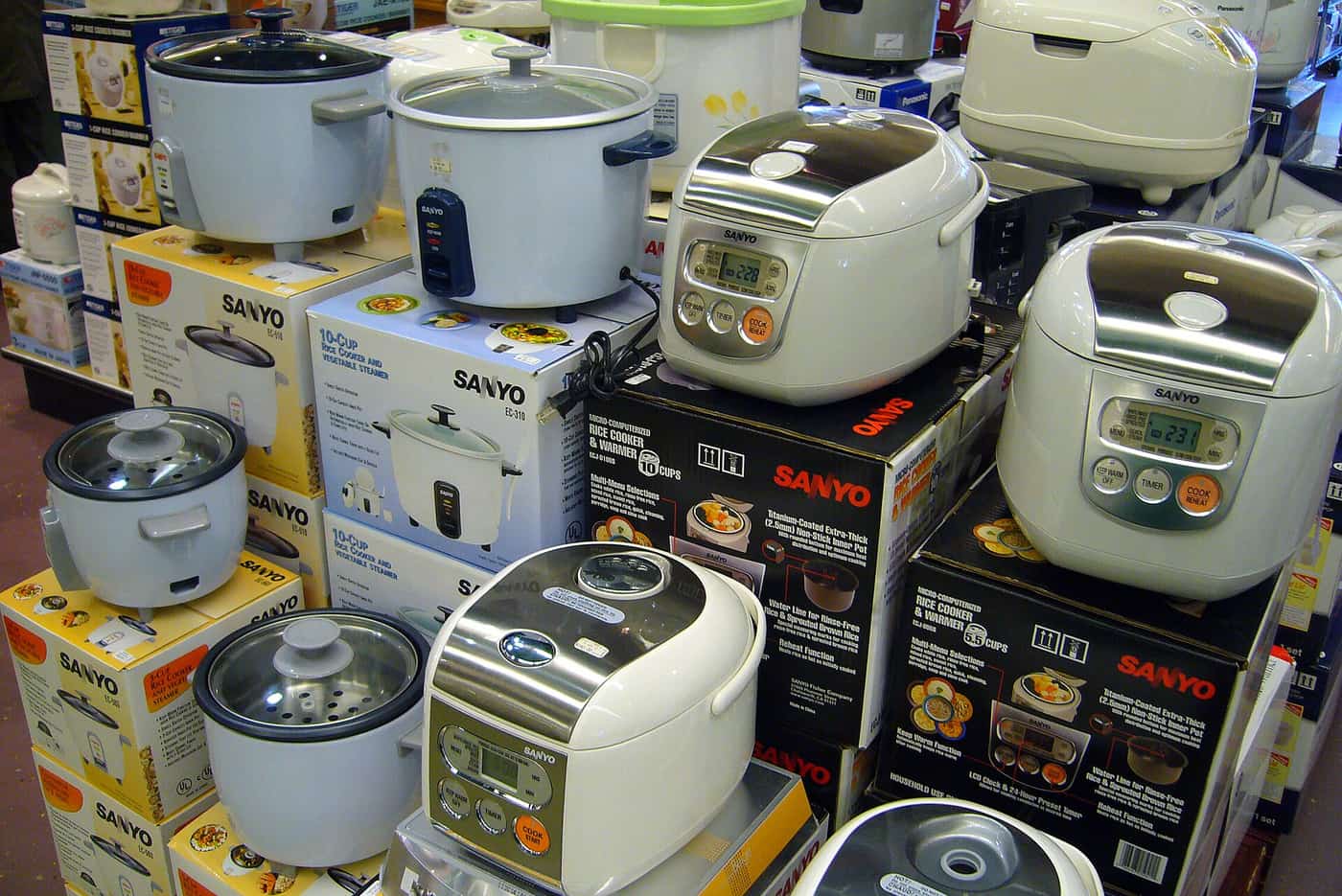
A thermostat and a switch, and it works. Five rice cookers under $50 and what fuzzy logic really adds.
Kitchen
Is a Sous Vide Worth It?
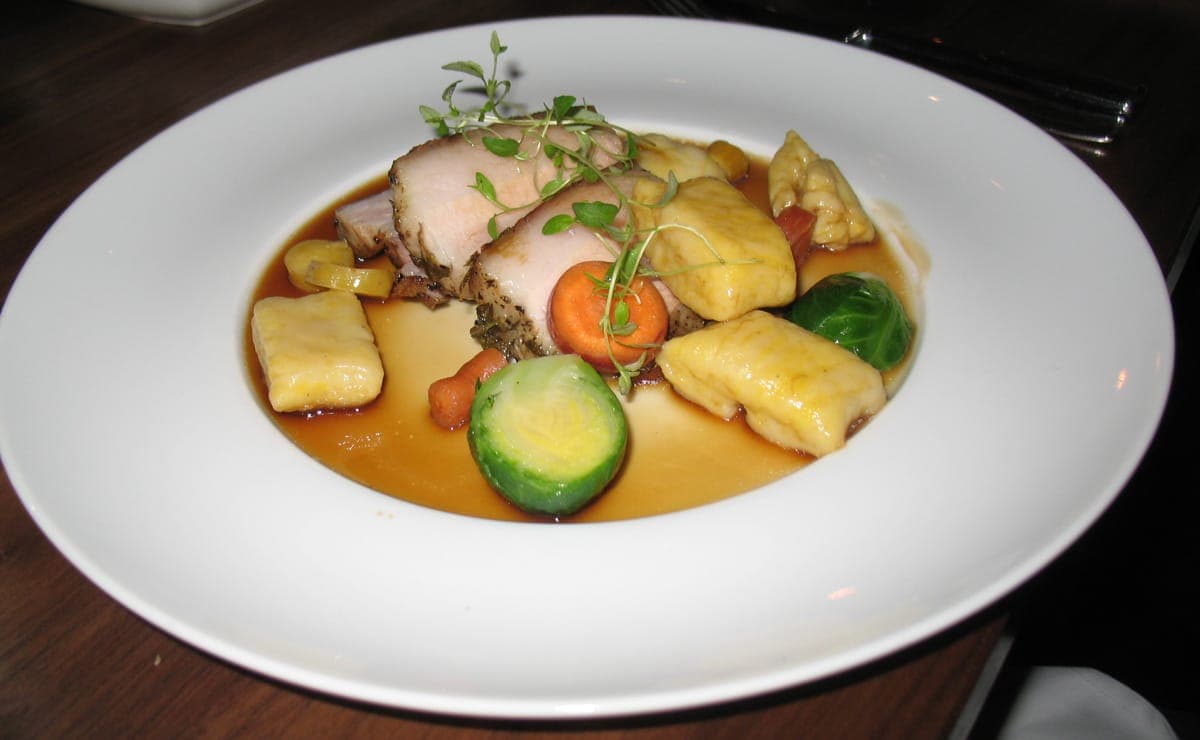
What it is genuinely better at, the three downsides nobody mentions, the real cost including bags and a container, and the $15 way to test the idea.
Kitchen
What Size Air Fryer Do I Need?
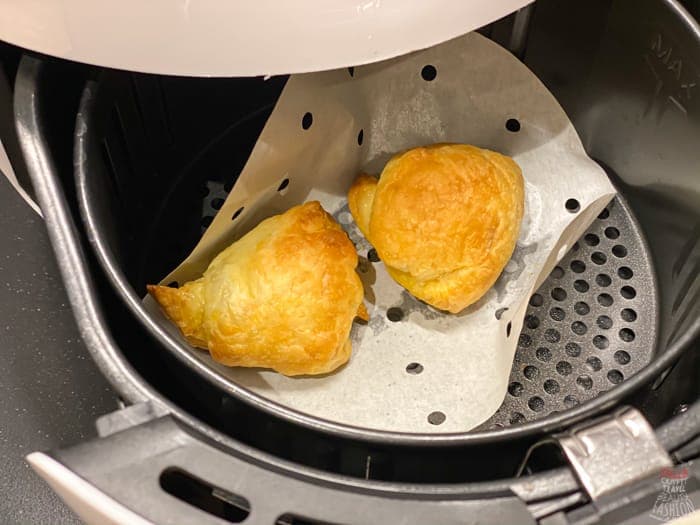
The quart figure is the basket volume, not the usable cooking area. How to size by household, and the one measurement to check instead.
Category
Kitchen
Air fryers, blenders, knives and coffee gear - the categories where spending more buys the least.

Shop by price
Under $100
The sweet spot. The only price ceiling with real search demand in all seven categories we cover.
Think we got a pick wrong, or spotted one that is out of stock or over its ceiling? Tell us - corrections go to the front of the queue.