Kitchen
Stand Mixer vs Hand Mixer
A hand mixer does most of what a stand mixer does for a quarter of the money. The difference is narrower than the price gap suggests - and it is not about power.
By Brijon M. - Published October 16, 2026
The short answer
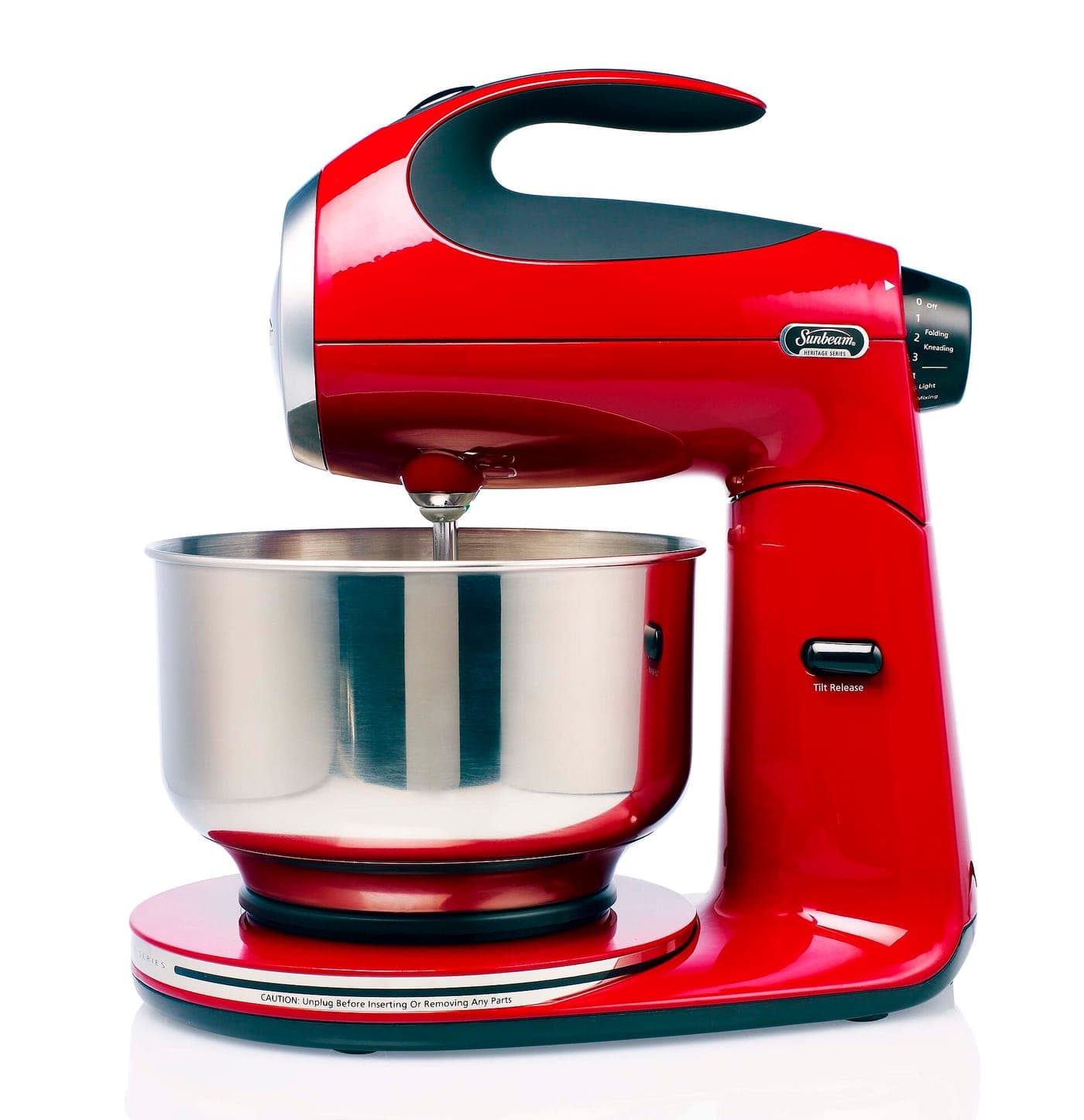
Buy a hand mixer if you bake occasionally: it creams butter, whips cream and mixes cake batter as well as a stand mixer, costs well under a hundred dollars and stores in a drawer. Buy a stand mixer if you knead yeast dough regularly, double recipes, or need both hands free - those are the three jobs a hand mixer genuinely cannot do.
Disclosure: we earn commission on qualifying purchases made through the links below, at no extra cost to you. It never changes the order of our picks - here is how that works.
The three jobs that actually separate them
Almost every comparison of these two machines leads with motor wattage, and wattage is close to irrelevant here. Both mixer types spin beaters through a batter perfectly well. What a stand mixer adds is narrower and more specific than the marketing suggests, and it comes down to exactly three things.
It kneads stiff dough. A hand mixer's dough hooks are a courtesy fitting. They will shift a wet, slack dough around a bowl, and they will stall, overheat or burn out on a stiff bread or bagel dough. A stand mixer's planetary gearbox is built for the load and can run for ten minutes without complaint. This is the biggest real gap between the two.
It runs unattended. With a stand mixer, you start the machine and go do something else - measure the next ingredient, grease the tin, answer the door. Creaming butter and sugar properly takes four or five minutes, and standing there holding a vibrating appliance for five minutes is the part people under-weight when they are shopping. Over a long bake, this is the difference most owners actually notice.
It takes attachments. A stand mixer with a power hub becomes a pasta roller, a meat grinder, a spiralizer or an ice cream maker. A hand mixer is a hand mixer forever.
That is the complete list. Everything else - the batter quality, the whipped cream, the meringue, the mashed potatoes, the shredded chicken - either machine does, and does well.
- Stiff yeast dough - stand mixer, clearly.
- Hands-free running - stand mixer, and this is the daily-use difference.
- Attachment ecosystem - stand mixer, if you will genuinely use it.
- Everything else - a hand mixer is not a compromise.
Where a hand mixer is genuinely the better buy
This is the part that gets left out of most comparisons, because the expensive machine is the more interesting one to write about. A hand mixer wins on four counts, and they are not consolation prizes.
Storage. A hand mixer lives in a drawer. A stand mixer weighs fifteen to twenty-five pounds and either occupies permanent counter space or lives in a cupboard you will not want to lift it out of. The practical result is well documented in owner reports: a stand mixer stored low in a cabinet gets used far less than one left on the counter, and a hand mixer in a drawer gets used more than either.
Small quantities. Whipping a single egg white, or half a cup of cream for two desserts, is awkward in a five-quart bowl - the beater sits above the ingredient and whips air. A hand mixer in a small bowl handles that properly. If most of your mixing is small, the stand mixer is the wrong tool.
Mixing in the pan. A hand mixer goes into the saucepan for mashed potatoes, into the bowl you already dirtied, into a heatproof bowl over simmering water for Swiss meringue buttercream. None of that is possible with a fixed bowl.
Cost. A good hand mixer and a digital kitchen scale together cost less than the cheapest stand mixer worth owning, and the scale will improve your baking more than either machine - flour measured by volume varies by up to twenty percent depending on how you scoop, and that variance is the most common reason a recipe fails.
How to read the table below
In the side-by-side that follows, the Cheap column is the hand mixer and the Expensive column is the stand mixer. The gap in street price between a solid hand mixer and a solid stand mixer is roughly four to one, so the question on every row is whether that row justifies any part of that multiple.
Quick picks
The short version. Tap any row to jump to the full write-up, or go straight to Amazon to check the current price.
| # | Product | Best for | Price |
|---|---|---|---|
| 1 | Cuisinart Power Advantage Plus HM-90 Nine speeds, a proper whisk, and the attachment set a hand mixer should ship with. | Best hand mixer overall | |
| 2 | Hamilton Beach 6-Speed Hand Mixer (62692) The honest entry point - six speeds, snap-on storage, and a price that makes the decision easy. | Best cheap hand mixer | |
| 3 | Braun MultiMix 5 HM5100 Two pounds in the hand, nine speeds, and the one to buy if holding the thing is your objection. | Best light hand mixer | |
| 4 | KitchenAid Classic Series stand mixer All-metal gearing and the only attachment ecosystem worth the words. | Best stand mixer for most kitchens | |
| 5 | Cuisinart Precision Master SM-50 A bigger bowl and a stronger motor than the KitchenAid Classic, usually for less money. | Best stand mixer if bread is the reason |
We do not print prices on this site. Every button opens the live Amazon listing so you see the real price at the moment you click. See our affiliate disclosure.
1. Best hand mixer overall
Cuisinart Power Advantage Plus HM-90
Nine speeds, a proper whisk, and the attachment set a hand mixer should ship with.
- 9 speeds, 220-watt motor
- Beaters, chef's whisk, dough hooks and spatula included
- Roughly 4 lb
- Snap-on storage case
Reviewed's hand mixer testing named this the best overall, and the reason is the breadth of the kit rather than any one specification: the balloon whisk is a real whisk rather than a pair of wire beaters, and it makes a measurable difference to whipped cream and egg whites.
Nine speeds sounds like marketing until you use the bottom two. The lowest speed on a hand mixer is what stops flour leaving the bowl in a cloud, and more granularity down there is genuinely useful.
The snap-on case is the feature that decides whether a hand mixer stays usable - beaters that live loose in a drawer get bent, and bent beaters scrape the bowl.
For a household that bakes a few times a month and does not make bread, this is the machine to buy, and the money saved against a stand mixer buys a very good scale and a lot of butter.
What you give up
Heavier than most hand mixers at around four pounds, which you feel during a five-minute creaming job. The dough hooks are for slack doughs only - do not expect bread from them.
2. Best cheap hand mixer
Hamilton Beach 6-Speed Hand Mixer (62692)
The honest entry point - six speeds, snap-on storage, and a price that makes the decision easy.
- 6 speeds with a slow first speed
- Beaters and whisk, snap-on case
- Roughly 3 lb
- Dishwasher-safe attachments
If the mixer comes out for birthday cakes and Christmas baking, this is a sensible purchase rather than a compromise. It beats, whips and creams properly, and it costs little enough that you are not agonizing over the decision.
The low first speed matters more than the count of speeds above it: a hand mixer that starts at a genuine crawl is the one that does not throw powdered sugar across the worktop.
Attachments go in the dishwasher, which for a machine used occasionally is the difference between cleaning it and leaving it dirty.
This is also the right answer for a second mixer in a household that already owns a stand mixer - for half an egg white and a splash of cream, it is the better tool.
What you give up
No dough hooks in most configurations and no real power reserve - it will bog down on a thick, cold cookie dough. Build is plastic throughout and it will not last a decade of heavy use.
3. Best light hand mixer
Braun MultiMix 5 HM5100
Two pounds in the hand, nine speeds, and the one to buy if holding the thing is your objection.
- 9 speeds plus turbo
- Roughly 2 lb
- Beaters and dough hooks
- Soft-grip handle
Weight is the specification nobody lists and everybody feels. At around two pounds this is half the weight of the Cuisinart, and over a long creaming job that is the difference between an appliance you use and one you avoid.
Braun's testing scores in independent roundups are consistently strong on cake batter specifically, which is the job most hand mixers are bought for.
The soft grip is not a gimmick on a machine you hold at an angle for five minutes.
This is the pick for anyone with wrist or grip issues, and for anyone who has already decided a stand mixer is too much machine.
What you give up
Usually the most expensive hand mixer of the three here, which narrows the gap to an entry stand mixer. Light weight also means less mass to absorb vibration on thick mixtures.
4. Best stand mixer for most kitchens
KitchenAid Classic Series stand mixer
All-metal gearing and the only attachment ecosystem worth the words.
- 4.5-quart stainless bowl
- 275-watt motor, 10 speeds
- All-metal gearbox and housing
- Standard power hub for attachments
If you have decided the three stand-mixer jobs apply to you, this is the default. The motor rating is modest and that is not the point - the gear train is metal, the body is metal, the machine is heavy enough to stay put, and these mixers routinely outlast the kitchens they were bought for.
The power hub is the second argument and the one that compounds over time. Pasta rollers, grinders and spiralizers from any era of KitchenAid fit, they are widely available second-hand, and the machine stays useful as your cooking changes.
Parts and service are realistically available, which over a fifteen-year life matters more than a spec sheet does.
Our best stand mixer under $200 roundup goes deeper on the alternatives at this ceiling.
What you give up
The smallest bowl in its class at 4.5 quarts and the lowest wattage, so it complains on large batches of stiff dough. It is also four to six times the price of a good hand mixer, and it will take permanent counter space.
5. Best stand mixer if bread is the reason
Cuisinart Precision Master SM-50
A bigger bowl and a stronger motor than the KitchenAid Classic, usually for less money.
- 5.5-quart stainless bowl
- 500-watt motor, 12 speeds
- Splash guard with pour spout
- Whisk, paddle and dough hook included
On the numbers this is the more capable machine: a full extra quart of bowl capacity and nearly twice the motor rating, typically at a lower street price. For bread specifically, that capacity is what lets you run a two-loaf batch without the dough climbing the hook.
If kneading is the single job pushing you from a hand mixer to a stand mixer - and for most people it is - then this is the machine that actually solves the problem you are buying for.
The splash guard with a pour spout is a small thing you use every single bake.
Twelve speeds, again, matters mostly at the bottom end.
What you give up
The attachment ecosystem is tiny next to KitchenAid's, so it stays a mixer rather than becoming a platform, and the long-term durability record behind it is shorter.
Side by side
A decision in four questions
Answer these honestly and the choice makes itself.
Do you make yeast bread more than a few times a year? If yes, stand mixer. If no, this reason does not apply to you and it is the strongest reason there is.
Do you have permanent counter space you are willing to give up? A stand mixer in a low cupboard is a stand mixer you stop using. If the answer is no, a hand mixer will get more use and therefore deliver more value, regardless of which machine is theoretically better.
Do you double recipes or bake for a crowd? Bowl capacity is the thing a hand mixer cannot give you. Two dozen cookies is fine by hand; six dozen is not.
Will you buy attachments? Be honest. The pasta roller argument persuades a lot of buyers and converts into use in a minority of kitchens. If you would not buy a standalone pasta machine, you will not use the attachment either.
Three or four yeses means buy the stand mixer. Zero or one means buy the hand mixer and a scale, and spend the difference on ingredients.
The hybrid answer most households land on
The most common end state in a kitchen that bakes seriously is both machines, and that is not a failure of planning - they do different jobs.
The stand mixer handles bread, double batches and anything that needs five minutes of hands-free running. The hand mixer handles one egg white, a half-cup of cream, mashed potatoes in the saucepan, and the whipped topping you decided on after the stand mixer bowl was already dirty.
If you are buying both over time, buy the hand mixer first. It is cheaper, it covers more of what you will actually do, and owning it for six months tells you precisely whether the stand mixer jobs come up in your kitchen - which is a much better basis for a $200 purchase than a guess.
A third option worth naming: for bread specifically, no-knead methods using long fermentation produce excellent loaves with no machine at all, and a cheap food processor kneads a stiff dough in ninety seconds. Neither is a reason to avoid a stand mixer, but both are reasons not to buy one on the strength of bread alone.
What to spend the difference on
If you choose the hand mixer, you have roughly $150 that was earmarked for a mixer. Three things return more baking improvement per dollar than the upgrade would have.
A digital scale, for the reason above - volume measurement of flour is the single most common source of recipe failure, and a scale removes it for about $15.
A flexible-edge spatula and a decent bowl set, because scraping down properly is what actually makes a batter homogeneous, mixer or no mixer.
Better pans. A light, thin sheet pan burns cookie bottoms no matter what mixed the dough. Our cookware set picks under $200 cover the stovetop side of this, and the best blender under $100 handles the jobs neither mixer can.
If the kitchen bottleneck is really knives rather than mixers, the affordable knife set buying guide is the more useful page.
How we picked
We limited the list to mixers currently sold in the US, then separated them by the three capabilities above rather than by price alone, because the price comparison is only meaningful once you know which jobs you are buying.
Specifications come from manufacturer documentation and published independent testing, including Reviewed's hand mixer evaluation, cited in sources below. We have not run these machines through a dough-fatigue test and do not claim to - our full method is on how we pick.
Price ranges in this page are approximate street-price brackets, not quoted prices. Every buy link goes to the live retailer page so you see the current number rather than a stale one.
And if what you actually want is chopping, slicing and shredding rather than mixing, neither machine is the answer - best food processor under $100 is the third appliance in this corner of the kitchen, and it is the one most people under-buy.
Common questions
+Can a hand mixer replace a stand mixer?
For cake batter, cookie dough, whipped cream, meringue and mashed potatoes, yes - the results are the same. It cannot knead stiff yeast dough, cannot run unattended while you do something else, and cannot take attachments. If none of those three matter to you, a hand mixer replaces a stand mixer completely.
+Is a stand mixer worth it for occasional baking?
Usually not. A machine used six times a year that occupies permanent counter space is a poor trade, and a stand mixer stored in a low cupboard tends to get used even less. Occasional bakers get more out of a good hand mixer plus a kitchen scale for a fraction of the money.
+Can you knead bread dough with a hand mixer?
Only slack, wet doughs, and only briefly. Hand mixer dough hooks will stall or overheat on a stiff bread or bagel dough - the motor and gearing are not built for a sustained load. Hand-kneading or a no-knead long-fermentation method is the better route if you do not own a stand mixer.
+Does hand mixer wattage matter?
Barely. Speed range at the low end and the quality of the beaters matter more for the jobs a hand mixer actually does. Higher wattage does not turn a hand mixer into a dough kneader, because the limitation is the gearing and the duty cycle rather than the motor rating.
+Should I buy both a stand mixer and a hand mixer?
Many households that bake seriously end up with both, and it is a reasonable end state - they cover different jobs. If you are buying over time, buy the hand mixer first: it is cheaper, covers more everyday tasks, and six months of owning it tells you whether the stand-mixer jobs actually come up in your kitchen.
+How long does a hand mixer last?
Five to ten years of typical home use for a well-made model. A metal-geared stand mixer can last decades, which narrows the cost gap considerably if you bake constantly - and does not narrow it at all if you bake twice a year.
Sources
Read next
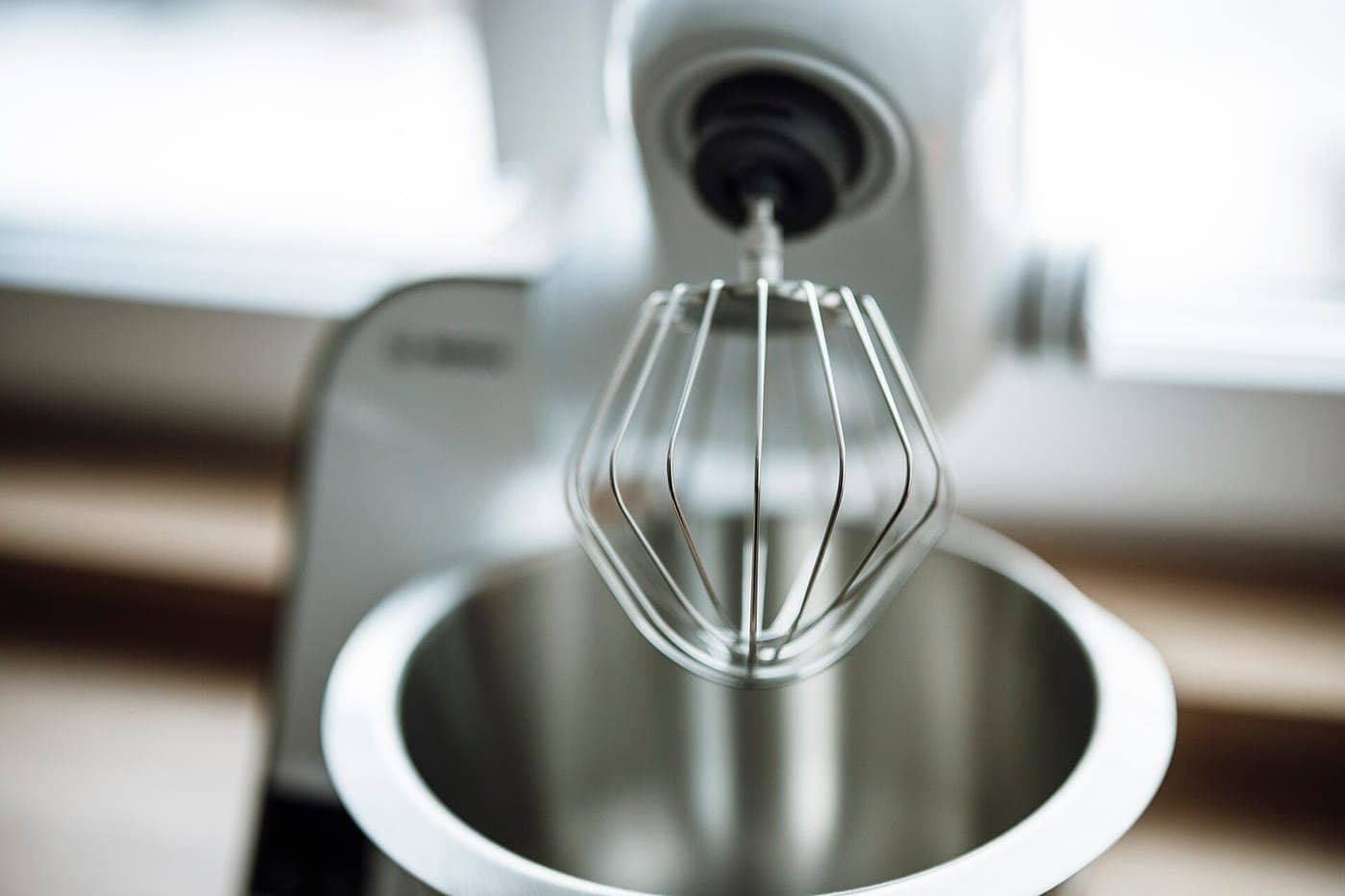
Best stand mixer under $200
Best Stand Mixer Under $200 (October 2026)
Planetary action, gearbox material and bowl size - the three things that decide a stand mixer. Five picks under $200 and an honest note on who should skip them.
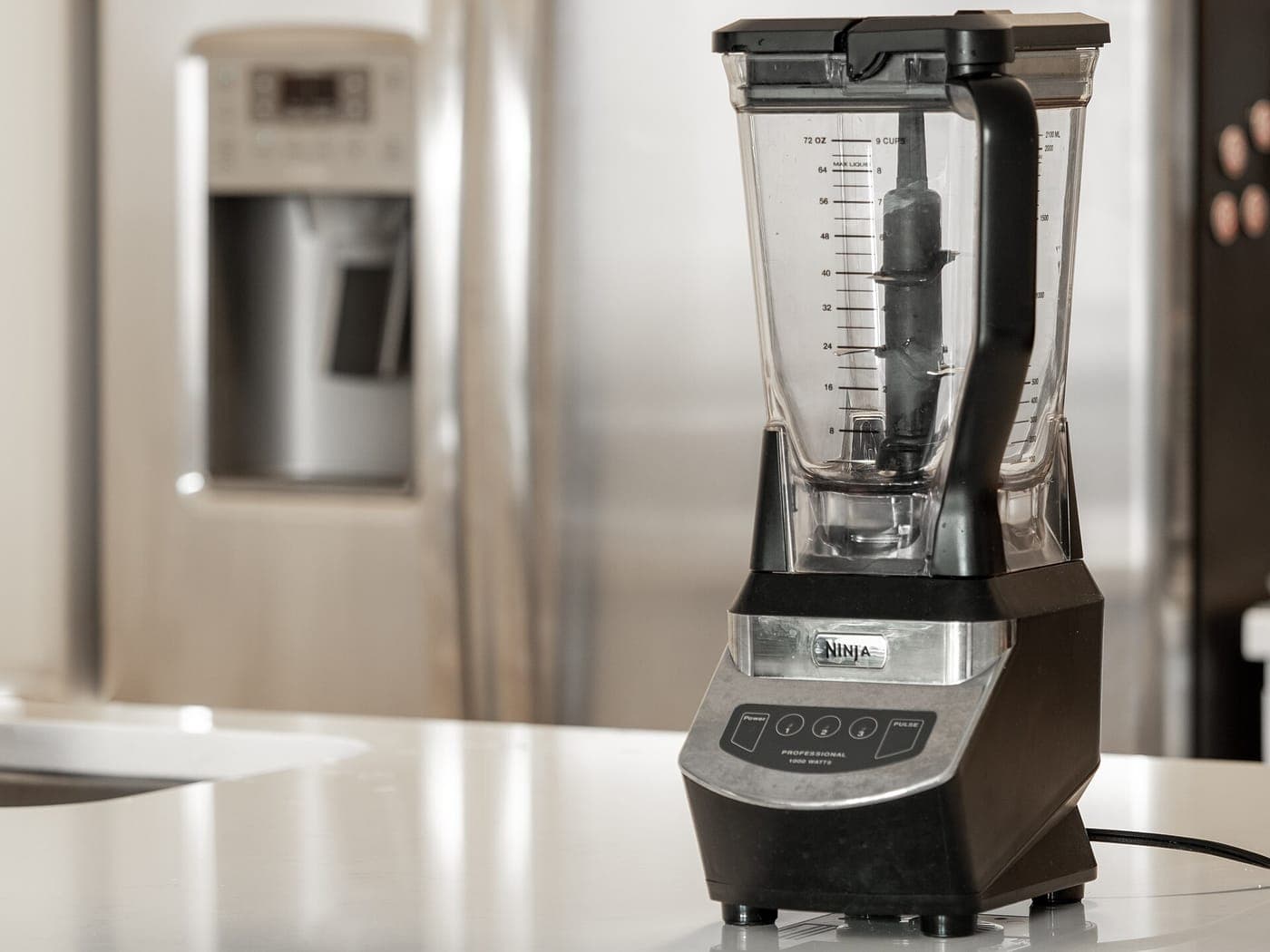
Best blender under $100
Best Blender Under $100 (October 2026)
Jar shape beats wattage, and the drive coupling is what fails. Five blenders under $100.
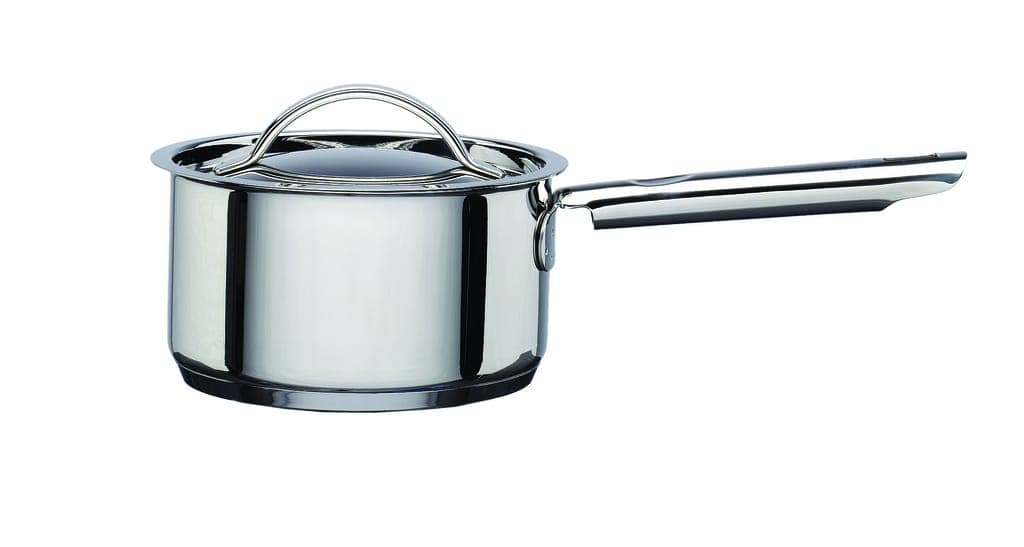
Best cookware set under $200
Best Cookware Set Under $200 (October 2026)
Tri-ply clad stainless or hard-anodized nonstick - pick a lane. Five sets under $200 and what each one gives up.
Category
Kitchen
Air fryers, blenders, knives and coffee gear - the categories where spending more buys the least.

Shop by price
Under $200
Where the compromises start disappearing. Mostly appliances, furniture and bigger tech.
Think we got a pick wrong, or spotted one that is out of stock or over its ceiling? Tell us - corrections go to the front of the queue.