Kitchen
Cast Iron Skillet Substitutes
Most recipes calling for cast iron actually need two things: high heat and oven safety. Several pans do both.
By Brijon M. - Published October 2, 2026

The short answer
Carbon steel is the closest substitute - it seasons the same way, handles the same heat and goes in the oven, at about two-thirds the weight. For oven work specifically, any fully metal oven-safe pan works. The recipes that genuinely need cast iron are the ones relying on its heat retention for a long sear.
What a recipe is actually asking for
When a recipe specifies a cast iron skillet, it is almost always asking for one or more of three properties, and knowing which one tells you what you can substitute.
Oven safety. Finishing a steak, baking cornbread, or starting on the hob and finishing under a broiler. Any fully metal pan with a metal handle does this. The pan does not need to be cast iron, it needs to not have a plastic handle.
High heat tolerance. Getting a pan properly hot for a hard sear. Cast iron, carbon steel and stainless all take it. Nonstick does not - most nonstick coatings degrade above around 500F and should not be used for a hard sear at any price.
Heat retention. This is the one cast iron is genuinely best at. A heavy pan holds its temperature when a cold steak hits it, so the sear continues rather than stalling. A thin pan drops temperature and the meat steams.
Only the third is a real cast iron requirement, and only for a specific kind of cooking.
Quick picks
The short version. Tap any row to jump to the full write-up, or go straight to Amazon to check the current price.
| # | Product | Best for | Price |
|---|---|---|---|
| 1 | Carbon steel skillet Seasons like cast iron, weighs a third less, heats faster. | Best overall substitute | |
| 2 | Tri-ply stainless skillet Non-reactive, oven safe, and it lasts forever. | Best for acidic cooking | |
| 3 | Lodge cast iron skillet About $25, and it will outlive everything else in the kitchen. | If you decide you do want cast iron |
We do not print prices on this site. Every button opens the live Amazon listing so you see the real price at the moment you click. See our affiliate disclosure.
1. Best overall substitute
Carbon steel skillet
Seasons like cast iron, weighs a third less, heats faster.
- Carbon steel
- ~3-4 lb for 10 inch
- Oven safe
- Seasonable
The substitute we would recommend to almost anybody. It does everything cast iron does except hold heat quite as well, and in exchange it is lighter and far more responsive on the hob.
Season it the same way - thin layers of oil, high heat - and it builds the same slick surface.
What you give up
Less heat retention than cast iron, so a thick cold steak drops the pan temperature more. Rusts quickly if left wet.
2. Best for acidic cooking
Tri-ply stainless skillet
Non-reactive, oven safe, and it lasts forever.
- Tri-ply construction
- Non-reactive
- Oven safe
- Dishwasher safe
The pan to use when the recipe involves tomato, wine, vinegar or a long simmer, all of which strip seasoning from iron pans and can taste metallic.
It will never be nonstick, which is a technique problem rather than a flaw - heat the pan properly, add fat, and most food releases.
What you give up
Food sticks unless you manage heat and fat carefully. No seasoning means no built-in release layer, ever.
3. If you decide you do want cast iron
Lodge cast iron skillet
About $25, and it will outlive everything else in the kitchen.
- Gray cast iron
- Pre-seasoned
- Oven safe to any temperature
- Indestructible
If you read this guide and concluded that heat retention is what you actually want, there is no reason to spend more than this.
Heavy, rough out of the box, and genuinely better after a year of use than it was new.
What you give up
Heavy enough that one-handed lifting is a real consideration, and the rough surface takes months of seasoning to release well.
Carbon steel - the closest substitute
Carbon steel is the answer for most people. It is the same iron-carbon family as cast iron, it seasons identically, it tolerates the same heat and it goes in the oven. A 10-inch carbon steel pan weighs around 3-4 lb against a cast iron pan's 5-6 lb.
It also heats faster and responds faster to a change in the burner, which makes it better for anything where you adjust heat during cooking - a pan sauce, sauteing, or anything you might burn.
The trade is heat retention. A carbon steel pan drops temperature more when cold food hits it, so for a thick steak cast iron still sears better.
This is what professional kitchens largely use, and for an everyday pan it is arguably the better choice.
Stainless steel - for anything acidic
Cast iron and carbon steel both react with acid: a long simmer of tomato sauce or a wine reduction strips seasoning and can give the food a metallic taste. Stainless does not react with anything.
A tri-ply stainless pan - two layers of stainless around an aluminum core - heats evenly, goes in the oven, takes any heat, and lasts forever. It does not release food the way a seasoned pan does, so eggs stick unless you manage heat and fat carefully.
For braising, deglazing, pan sauces and anything with tomato, wine or vinegar, stainless is the correct pan and cast iron is the wrong one.
Enamelled cast iron - the convenient compromise
Enamelled cast iron has the heat retention of cast iron with a glass coating, so it is non-reactive and needs no seasoning. It is excellent for braises and long cooking, and it goes in the oven.
Two caveats. It does not sear as well as bare cast iron, because the enamel is a less effective surface for browning. And it chips if dropped or subjected to sudden temperature changes, which bare cast iron does not.
It is also considerably more expensive. A Dutch oven in enamelled cast iron is a genuinely useful pan; an enamelled skillet is a less obvious purchase.
Oven-safe nonstick - with limits
Many nonstick pans are oven-safe to around 400-500F, which covers baking a frittata or finishing a chicken breast. Check the manufacturer's stated limit rather than assuming.
What nonstick cannot do is a hard sear. The coating degrades at high temperatures, and the smooth surface does not develop a crust the way bare metal does. Using nonstick for a steak gives you gray meat and a shortened pan life.
Use it for eggs, pancakes and delicate fish, which is what it is genuinely best at, and use something else for searing.
What genuinely needs cast iron
A hard sear on a thick cut. The heat retention is doing real work here, and a thin pan will not match it.
Cornbread and skillet-baked dishes where the hot pan creates a crust on contact.
Shallow frying, where the thermal mass keeps oil temperature stable when food goes in - the same principle as the sear.
Anything moved from hob to a very hot oven, like pizza or a high-temperature roast, where nonstick is unsafe and thin pans warp.
Everything else has an alternative. If you want to understand what the premium cast iron pans actually offer, cheap vs expensive cast iron breaks it down.
Common questions
+What can I use instead of a cast iron skillet in the oven?
Any fully metal oven-safe pan - carbon steel, tri-ply stainless, or enamelled cast iron. The requirement is a metal handle and no plastic parts, not cast iron specifically. Check nonstick pans against their stated temperature limit.
+Is carbon steel as good as cast iron?
For most cooking, yes, and it is lighter and more responsive. The one thing cast iron does better is hold temperature when cold food hits it, which matters for searing thick cuts. For everything else carbon steel is arguably the better pan.
+Can I use stainless steel instead of cast iron?
For anything acidic - tomato, wine, vinegar - stainless is actually the better choice, because iron pans react with acid and lose seasoning. For searing it works but will not match cast iron's heat retention.
+Can I sear a steak in a nonstick pan?
You should not. Nonstick coatings degrade at the temperatures a proper sear requires, and the smooth surface does not develop a crust. Use nonstick for eggs and fish, and bare metal for searing.
+Does enamelled cast iron work the same way?
It keeps the heat retention and adds non-reactivity, so it is excellent for braising. It sears less well than bare cast iron because enamel is a poorer browning surface, and it chips if dropped or thermally shocked.
Sources
Read next

Kitchen
Cheap vs Expensive Cast Iron Skillet
Same metal, different surface. A side-by-side on finish, weight and seasoning, with a verdict on each.

Best chef's knife under $50
Best Chef's Knife Under $50 (October 2026)
The clearest budget win on the site. Five chef's knives under $50, and why sharpening beats steel.
Category
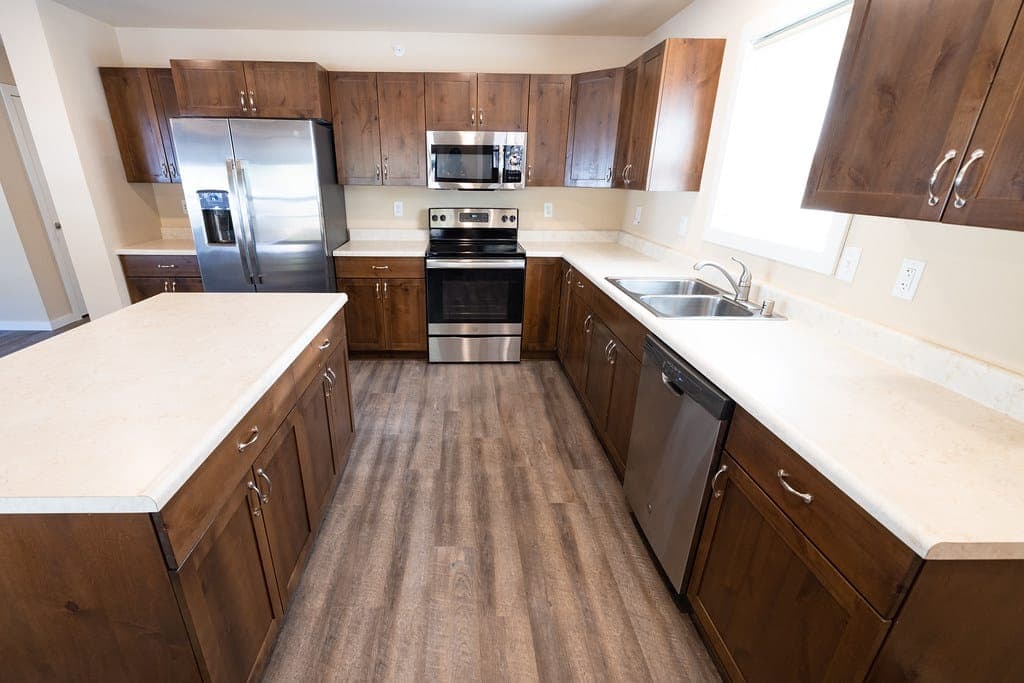
Kitchen
Air fryers, blenders, knives and coffee gear - the categories where spending more buys the least.
Guide
Cheap vs Expensive: Where Spending More Actually Pays
The four questions that predict whether a category rewards spending more - and the full map across all seven we cover.
Think we got a pick wrong, or spotted one that is out of stock or over its ceiling? Tell us - corrections go to the front of the queue.