Grooming - under $50
Best Nose Hair Trimmer Under $50
This is a category where $15 buys most of the result and $50 buys convenience. The one thing worth being careful about is not the money - it is the technique.
By Brijon M. - Published October 30, 2026
The short answer
A rotary trimmer - a spinning inner blade behind a slotted guard - is the right tool for inside the nostril, because the guard is what stops the blade touching skin. Most of the category costs $12-$25, and the useful upgrades are a fully washable head and a blade that handles coarse hair. Medical guidance is consistent: trim, do not pluck or wax.
Disclosure: we earn commission on qualifying purchases made through the links below, at no extra cost to you. It never changes the order of our picks - here is how that works.
Trim, do not pluck - and this is the one grooming rule with a medical reason behind it
Nose hair is not a cosmetic accident. It filters dust, pollen and debris out of the air before it reaches your lungs, and the hair you can see at the rim is the end of a system that is doing a job. That shapes the whole purchase: the goal is to shorten the few hairs that are visible, not to clear the nostril.
On how to do it, the medical guidance is consistent and worth repeating because the shortcuts are so popular. Ohio State's Wexner Medical Center recommends cutting over plucking or waxing, on the grounds that pulling a hair out of its follicle opens the door to follicle infection and ingrown hairs. Healthline gives the same advice - trim with the proper tool, and shorten only the most visible hair rather than damaging the delicate skin inside the nose.
So the device you want is one that can cut a hair without its blade contacting skin. That is exactly what the rotary guard on a nose trimmer is for, and it is why a beard trimmer - whose blade sits exposed at the end of a flat head - is the wrong tool for the job no matter how small its guard is.
Nothing in this category is expensive. The whole market sits between about $12 and $40, which means the decision is about blade type, cleaning and battery rather than about budget.
- Trim, never pluck or wax - the infection risk is the reason, not squeamishness.
- Shorten the visible hair only. Clearing the nostril removes a working filter.
- Never use a beard trimmer inside the nose - the blade is not shielded for it.
Rotary or linear - the two blade types do different jobs
Rotary is the design almost every dedicated nose trimmer uses: a cone-shaped head with slots cut into it and a blade spinning on the inside. Hair falls through a slot and is cut against the inside face of the guard, so the cutting edge never reaches your skin. Nothing else is as safe inside a nostril, and if you only buy one head, buy this one.
Linear is the flat, oscillating comb-and-blade head you know from beard trimmers. Inside a nostril it is the wrong shape. On the outer edge of an ear, on eyebrows and along a hairline, it is the better tool - it cuts a straight line, which a cone cannot do. Trimmers that ship both heads are offering genuine versatility rather than box-filler.
A third category exists above this price: vacuum trimmers, which add a small fan to draw clipped hair into a chamber instead of letting it drop. They work, they are the one feature that meaningfully changes the experience, and they generally start above $50 - which is why none of the picks below has one.
What is not worth paying for: motor power claims. These are tiny motors cutting fine hair. Where a cheap trimmer fails on coarse or wiry hair, the cause is nearly always a dull or hair-packed blade rather than an underpowered motor.
Washable or not is the whole ownership story
Every nose trimmer gets worse with use for one reason: clipped hair packs into the gap between the blade and the guard, and a packed head pulls instead of cutting. A pulled hair is the thing you were trying to avoid, so this is a safety issue as much as a performance one.
The fix is rinsing, and whether the head comes off and goes under a tap is the single most useful specification in this category. A fully washable head gets rinsed in ten seconds after every use and stays sharp for years. A dry-only trimmer gets the little brush, which never quite works, and ends up in a drawer with a head full of hair.
Power is the other ownership variable, and here the cheap answer is arguably the better one. Most trimmers at this price take a single AA battery, which sounds dated and is actually convenient - no charger to lose, no sealed lithium cell to degrade, and a dead battery is solved in a minute in any country. Rechargeable models are tidier on a counter and die permanently when the cell does.
And one option avoids the question entirely: a manual trimmer has no motor, no battery and no electronics, so there is nothing in it that can fail.
- Rinse the head after every use. A packed head pulls hair instead of cutting it.
- A washable head is the specification worth paying a few dollars for.
- AA batteries are not a downgrade here - they are one less thing to fail.
Quick picks
The short version. Tap any row to jump to the full write-up, or go straight to Amazon to check the current price.
| # | Product | Best for | Price |
|---|---|---|---|
| 1 | Philips Norelco Nose Trimmer 3000 (NT3600/62) The safe default: both blade types in the box, a washable head, and it costs about the same as lunch. | Best overall | |
| 2 | Panasonic ER-GN30 The one to buy if you want to rinse it under a tap and forget about maintenance. | Best for wet use and easy cleaning | |
| 3 | Wahl Micro Groomsman Pocketable, cheap and fine for light work - do not expect it to fight coarse hair. | Best pen-style for a travel bag | |
| 4 | Groom Mate Platinum XL Stainless steel, hand-powered, nothing in it to fail - and it costs more than the electrics because of it. | Best with no batteries at all | |
| 5 | All-in-one multigroomer with a nose head One rechargeable handle for beard, body and nose - at the cost of the nose head being the weakest part. | Best if you also trim a beard |
We do not print prices on this site. Every button opens the live Amazon listing so you see the real price at the moment you click. See our affiliate disclosure.
1. Best overall
Philips Norelco Nose Trimmer 3000 (NT3600/62)
The safe default: both blade types in the box, a washable head, and it costs about the same as lunch.
- Rotary and linear heads
- Two eyebrow guides
- Washable head
- AA battery
The Nose Trimmer 3000 is the one most people should buy. It ships with a rotary head for nose and ear hair and a linear head with eyebrow guides, which covers every job in this category with the correct tool for each - and it is the only pick here that does. The head comes off and rinses under a tap.
It was listed around $15 across the major retailers when we checked, which makes the whole decision low-stakes. A single AA battery runs it, and the ProtecTube-style guard means you can put it in a nostril without flinching.
One buying note that matters: Philips' own US site marks the NT3600/42 as discontinued, and the NT3600/62 is the SKU that appears on current retailer listings. Both look identical in photographs, so check the suffix rather than the photo, or you will be shopping a dead reference and wondering why stock is patchy.
What you give up
AA battery only - there is no rechargeable version of this model, so it will never feel like a modern appliance. The motor is modest and slows noticeably on dense, wiry hair. And the eyebrow guides are thin plastic that will not survive being sat on in a travel bag.
2. Best for wet use and easy cleaning
Panasonic ER-GN30
The one to buy if you want to rinse it under a tap and forget about maintenance.
- Dual-edge rotary blade
- Fully washable
- Wet or dry use
- AA battery
Panasonic's ER-GN30 is the cleaning-first pick. The whole head is designed to be rinsed, and it can be used wet - in the shower, or with the nostril damp - which both softens the hair and stops clippings from clinging. Panasonic's own shop listed the ER-GN30 around $20 when we checked, with the -K and -H finishes carrying the same mechanism.
The blade is a dual-edge rotary design, and it is the sharpest-feeling of the sub-$25 trimmers here on first use. Combined with the washable head, that is what keeps it cutting rather than tugging over a long ownership period.
If you have thick or fast-growing nose hair and you have been through a cheap trimmer that started pulling after six months, this is the upgrade to make.
What you give up
One head, one job - there are no eyebrow or ear-edge attachments, so if you want those you are buying a second tool. It runs on a AA like the Philips. And the protective cap is small, unattached and extremely easy to lose.
3. Best pen-style for a travel bag
Wahl Micro Groomsman
Pocketable, cheap and fine for light work - do not expect it to fight coarse hair.
- Pen-style body
- Rotary head
- AA battery
- Under $15 typically
The Micro Groomsman is a pen rather than a handle: a slim barrel with a rotary head on the end that sits in a dopp kit or a desk drawer without taking up space. Retail listings put it around $12-$15, which makes it the cheapest pick here.
The pen shape has a real ergonomic advantage that gets overlooked - it is easier to hold at a shallow angle in front of a mirror than a fat-bodied trimmer, and the angle is what determines whether you catch the hair you were aiming at.
Buy it as a second trimmer for travel, or as the one to try first if you have never owned one and want to spend as little as possible finding out whether you will use it.
What you give up
Reviewers consistently describe the motor as underpowered, and it is the pick most likely to tug on coarse hair. Cleaning depends on the variant - not every version has a head that comes apart for rinsing, so check the one you are buying. No light, no attachments.
4. Best with no batteries at all
Groom Mate Platinum XL
Stainless steel, hand-powered, nothing in it to fail - and it costs more than the electrics because of it.
- Fully manual
- Stainless steel
- No battery
- Lifetime guarantee
The Platinum XL is a small stainless steel cylinder you twist, and inside it a rotary blade turns against a slotted guard. There is no motor, no battery, no circuit and no plastic housing - which means there is nothing in it that degrades. It is sold with a lifetime guarantee, and the shaving community has been passing the same units around for years.
It costs noticeably more than the electric picks here - listings ran roughly $27-$39 when we checked - and that is the honest tradeoff: you are paying a premium up front to never buy another one. Over a decade it is the cheapest option in this roundup by a wide margin.
It is also the only pick that works in a power cut, in a tent, or on a flight, and the one to buy if a drawer full of dead gadgets annoys you.
What you give up
You have to learn the technique - a steady twist while holding the angle, which takes a few goes and is slower than pressing a button. It costs roughly double the Philips. There is no light, no ear-edge head and no eyebrow guide. And a manual blade will not clear dense hair as quickly as a motor.
5. Best if you also trim a beard
All-in-one multigroomer with a nose head
One rechargeable handle for beard, body and nose - at the cost of the nose head being the weakest part.
- Rechargeable
- Beard and body heads
- Rotary nose head included
- Washable heads
If you already need a beard trimmer, the multigroomer kits that include a rotary nose head are worth a look before you buy a dedicated tool. One rechargeable handle, a set of guards for beard and body work, and a nose head that snaps on - it is fewer objects on a shelf and one charger for everything.
Treat this as a category rather than a single model, because the SKUs rotate constantly: Philips alone has moved through several Multigroom generations, and at least one of the older 3000-series references is now marked discontinued on its US site. Buy the current generation from the brand's own listing and check that a rotary nose head is in the box, not just a small linear guard.
The honest framing: this is the right purchase if the beard trimmer is the thing you actually need. If the nose is the only job, a dedicated $15 rotary trimmer does it better.
What you give up
The nose head in a multigroom kit is almost always the least refined head in the box - fewer slots, a coarser guard and less precision than a dedicated trimmer. The handle is bulky to hold at a nostril angle. And a sealed rechargeable battery means the whole kit dies when the cell does.
How to actually use one without hurting yourself
The method matters more than the model. Work in good light at a mirror, tilt your head back slightly and use a finger to lift the tip of the nose so you can see the rim rather than guessing. Dry the inside of the nostril first if you can - wet hair lies flat and gets missed.
Then insert the head no more than the depth of the guard and move it in small circles against the rim. You are cutting what is visible at the opening. There is no reason to go deeper, and going deeper is how people scratch the lining and give a minor cut somewhere warm and damp a chance to become something worse.
For ears, the same tool is correct but the boundary is firmer: trim only the hair on the outer ear and the rim of the canal opening. Never insert anything into the ear canal. For eyebrows, switch to the linear head with a guide comb if your trimmer has one, and take less off than you think - eyebrow hair grows back slowly.
Finally, frequency. Most people need this every two to three weeks, and the job takes under a minute. There is no benefit to doing it more often and a small cumulative risk to the skin if you do.
- Good light, head tilted back, nose tip lifted. You should be able to see what you are cutting.
- Guard depth is the limit. Shorten what is visible at the rim and stop there.
- Ears: outer ear only. Nothing goes into the canal, ever.
Cleaning: the five-minute habit that doubles the life of the thing
Rinse the head under a warm tap after every single use if the model allows it, shake the water out and leave it to dry with the cap off. That is the whole routine, and it is the difference between a trimmer that cuts cleanly for five years and one that starts tugging within months.
On models that are not washable, pull the head off if it comes off, tap the clippings out, and work the brush into the slots from the inside rather than the outside. Compressed air helps if you have it. What does not help is leaving it capped with hair inside, which is how the blade corrodes.
Do not oil a nose trimmer unless the manual tells you to - these are sealed rotary heads, and clipper oil on a slotted guard collects hair rather than releasing it. And take the battery out if the trimmer is going into storage for months; a leaking AA inside the barrel is the most common way these die.
If this is part of a wider grooming kit, the same maintenance logic drives the best beard trimmers under $50 and the best hair clippers under $50 - in all three categories the blade care, not the price, decides how long the tool lasts.
When to spend more than $50
There is exactly one upgrade in this category that changes the experience: a vacuum trimmer, which pulls the clipped hair into a chamber instead of dropping it on the sink or back into the nostril. Panasonic's vacuum-equipped nose and facial trimmers are the best-known, they sit above this bracket, and if clipping cleanup is the thing that annoys you, they are the fix.
Beyond that, more money buys a rechargeable lithium cell instead of a AA, a light on the head, a nicer stand and better packaging. None of those cut hair better. A $120 grooming kit does not give you a safer or closer nose trim than the $15 Philips does, and anybody telling you otherwise is selling a kit.
Where extra money genuinely pays in grooming is the tools that touch more skin - the best electric shavers under $100 is a category where the tiers really do differ. This is not one of them, and that is good news.
If you are buying more than one tool, note that the guard principle here is the same one that matters below the neck: the best budget body groomers are chosen on blade geometry for exactly the same reason, and several of them come from the same brands.
For the rest of the picks at this ceiling, see grooming under $50 and the grooming hub.
How we picked
Every pick on this page is a real, currently-sold product that we could find at or under $50 at the time of the last update. Rank order is set before any link is attached.
We are research-led, not lab-led. We do not run a test lab and we do not claim to have personally used every product on this site. Picks come from manufacturer specifications, owner-reported reliability and failure patterns, expert-publication consensus, and real availability at the stated price ceiling. Read the full method.
Common questions
+Is it safe to trim nose hair?
Yes, and it is the method medical sources recommend over the alternatives. Ohio State's Wexner Medical Center advises cutting rather than plucking or waxing, and Healthline says the same. Use a rotary trimmer so the blade never contacts skin, and shorten only the hair visible at the rim.
+Why should I not pluck nose hairs?
Pulling a hair out of its follicle leaves an opening, and both Ohio State's Wexner Medical Center and Healthline link plucking to follicle infections and ingrown hairs. It also removes the whole hair rather than shortening it, and nose hair filters debris out of the air you breathe.
+Can I use a beard trimmer in my nose?
No. A beard trimmer has a flat, exposed blade edge designed to cut against skin, which is the opposite of what you want inside a nostril. A nose trimmer uses a rotary blade behind a slotted guard so the cutting edge is shielded. Use the right head.
+How often should I trim nose hair?
Every two to three weeks suits most people, and the job takes under a minute. More frequent trimming has no benefit and adds a small cumulative risk of irritating the skin inside the nose, which is more delicate than the skin anywhere you shave.
+How do I clean a nose hair trimmer?
Rinse the head under a warm tap after every use if the model is washable, shake it out and let it air-dry with the cap off. If it is not washable, remove the head, tap out the clippings and brush the slots from the inside. A head packed with hair pulls instead of cutting, which is the main cause of nicks.
+Are rechargeable nose trimmers better than battery ones?
Not for performance. A single AA runs these tiny motors for months, there is no charger to lose, and a dead battery is a one-minute fix. A sealed rechargeable cell is tidier but ends the tool's life when it degrades. Washability matters far more than the power source.
Sources
- Ohio State Wexner Medical Center - should I trim my nose hair
- Healthline - nose hair removal methods and risks
- Philips USA - Norelco Nose Trimmer 3000 (NT3600/42 marked discontinued)
- Panasonic shop - ER-GN30 ear, nose and facial hair trimmer
- Fendrihan - Groom Mate Platinum XL listing
- Sharpologist - best nose and ear hair trimmers by use case
Read next

Best beard trimmer under $50
Best Beard Trimmer Under $50 (October 2026)
Steel self-sharpening blades and a usable guard range are the whole specification. Five picks under $50 and what snags on the cheap ones.
Best budget body groomer
Best Budget Body Groomer
Guard geometry beats motor speed. Five body groomers under $50 and what each one gives up.
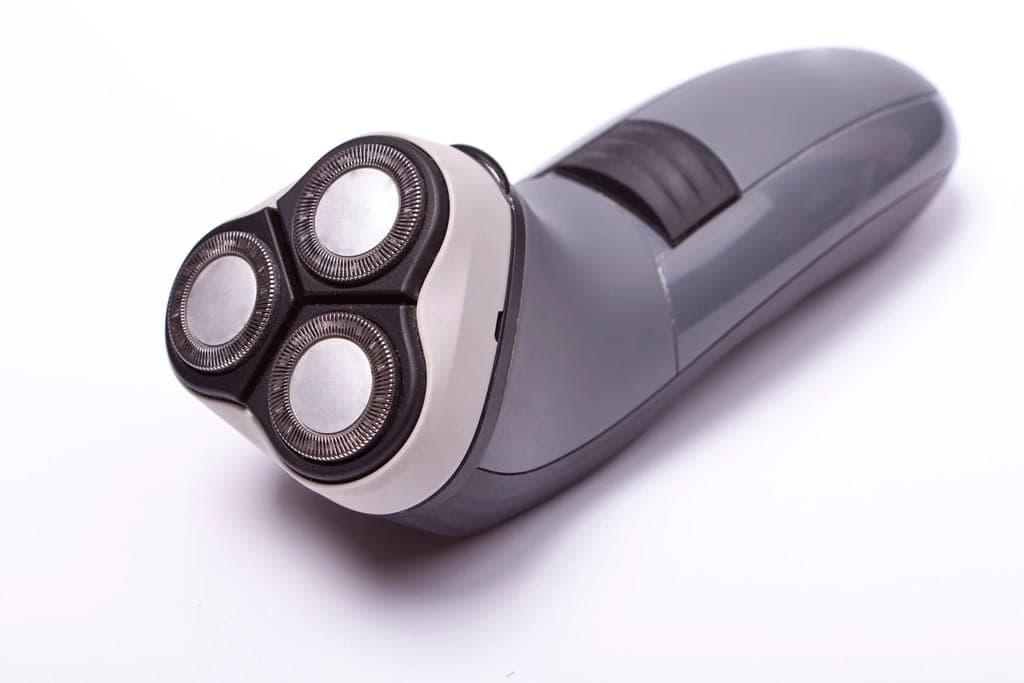
Best electric shaver under $100
Best Electric Shaver Under $100 (October 2026)
Foil or rotary is a question about your face, not about quality. Five picks under $100 and the replacement-head cost nobody mentions.

Shop by price
Under $50
The impulse tier. Some categories are genuinely solved at $50; others are a false economy, and we say which.
Category
Grooming
Shavers, trimmers, razors and toothbrushes - one of the few areas where cheap can genuinely win.
Think we got a pick wrong, or spotted one that is out of stock or over its ceiling? Tell us - corrections go to the front of the queue.