Pet - under $100
Best Dog Clippers Under $100 (October 2026)
Human clippers do not work on dog hair. Past that, the only question that matters is what coat you are cutting.
By Brijon M. - Published October 11, 2026
The short answer
Under $100 the best all-round pick is a cordless clipper with a 5-in-1 adjustable blade in the Wahl Bravura class, because one blade covers most lengths and the low-vibration motor is quieter than a dog expects. For thick or curly coats - doodles, Poodles, double-coated breeds - prioritize motor speed and a detachable steel blade instead, and keep a spare blade cool in the fridge.
Disclosure: we earn commission on qualifying purchases made through the links below, at no extra cost to you. It never changes the order of our picks - here is how that works.
Match the clipper to the coat, not to the price
Dog coats differ far more than human hair does, and a clipper that sails through a Beagle will stall and pull on a Goldendoodle. This is the decision that matters.
Short, smooth coats - Beagle, Boxer, Labrador, Dachshund. Honestly, these dogs mostly need brushing rather than clipping, and any clipper here handles the tidying up around the sanitary areas and paws.
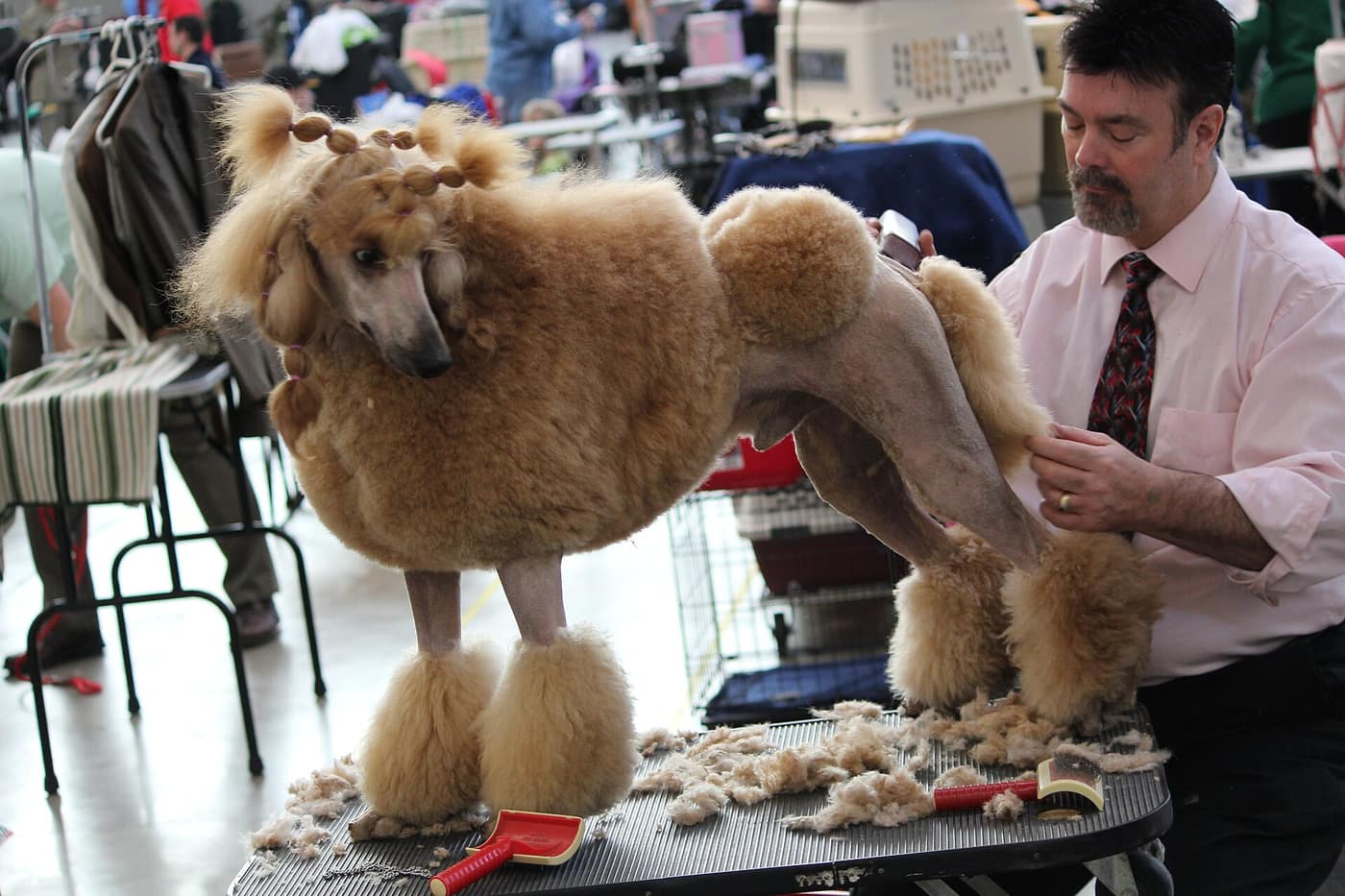
Curly and wool coats - Poodle, Bichon, Doodle crosses. The hardest coat type there is. Hair grows continuously, mats densely, and needs a fast blade with real torque. Underpowered clippers stall, pull the hair, and teach the dog to hate grooming.
Double coats - Husky, German Shepherd, Golden Retriever, Corgi. These should generally not be clipped at all. The topcoat and undercoat serve different functions, including insulation against heat, and shaving a double coat can permanently damage its regrowth. These dogs need a deshedding undercoat rake, not clippers.
Wiry coats - Terriers, Schnauzers. Traditionally hand-stripped. Clipping works and is far easier, but it softens the coat texture and fades the color over time. That is a cosmetic trade, not a welfare one.
So: if you have a doodle or a Poodle, buy on power. If you have a Labrador, buy the cheapest thing on this page and use it for paws. If you have a Husky, buy a rake and skip this category.
The specifications that actually matter
Strokes per minute (SPM). This is blade speed and it is the closest thing to a power rating in clippers. Around 5,000-6,000 SPM handles most coats; thick curly coats benefit from more. Low speed on a dense coat means the blade pushes hair rather than cutting it.
Noise and vibration. Hugely underrated. A loud, buzzing clipper frightens dogs, and a frightened dog makes grooming impossible regardless of how good the cut would have been. Low-vibration rotary motors are quieter than the older magnetic ones.
Blade type. A 5-in-1 adjustable blade lets you change cut length with a lever, which covers most of what a home groomer needs from one blade. Detachable blades - the A5 standard - let you swap in specific lengths and buy replacements cheaply, and are what professionals use.
Cordless runtime and battery type. Lithium-ion, and at least 90 minutes. A clipper that dies halfway through a doodle leaves you with half a dog.
Blade material. Ceramic blades run cooler than steel, which matters for the problem described below.
- 5,000+ SPM for anything beyond a short smooth coat.
- Low vibration matters more than any other comfort feature.
- A 5-in-1 blade covers most home grooming from one blade.
- Do not clip a double-coated breed. Use an undercoat rake.
Quick picks
The short version. Tap any row to jump to the full write-up, or go straight to Amazon to check the current price.
| # | Product | Best for | Price |
|---|---|---|---|
| 1 | Wahl Bravura Lithium cordless 5-in-1 blade, genuinely quiet, and light enough to use for an hour without wrist ache. | Best overall | |
| 2 | oneisall cordless clipper for thick coats High blade speed and a long runtime at the budget end of the range. | Best for thick and curly coats | |
| 3 | An Andis detachable-blade clipper The professional A5 blade standard, which is where the real capability lives. | Best for serious home grooming | |
| 4 | A small quiet trimmer for paws and faces The tool that does the parts a full clipper cannot, for about $25. | Best for the fiddly bits | |
| 5 | An undercoat rake or deshedding tool For a Husky, Shepherd or Golden, this is the purchase. Not clippers. | The right tool for a double-coated dog |
We do not print prices on this site. Every button opens the live Amazon listing so you see the real price at the moment you click. See our affiliate disclosure.
1. Best overall
Wahl Bravura Lithium cordless
5-in-1 blade, genuinely quiet, and light enough to use for an hour without wrist ache.
- Around 5,500 SPM
- 5-in-1 adjustable blade
- Lithium-ion, roughly 90 min runtime
- Under 9 oz
The Bravura is the clipper we would buy for home grooming and it wins on two things that spec sheets undersell. The first is weight - under nine ounces, which over a forty-minute session on a medium dog is the difference between finishing and giving up. The second is vibration: it runs noticeably smoother and quieter than cheaper clippers, and a dog that is not being buzzed stands still.
The 5-in-1 blade covers lengths from very short to a reasonable scissor-finish length with a lever, so for most home grooming you never buy another blade.
Charges in about an hour and runs cord-free, which also removes the cord as something to manage around a moving dog.
It is the right pick for anything from a Shih Tzu to a medium doodle kept in a short trim.
What you give up
Not powerful enough for a heavily matted or very thick coat - it will slow and heat up on dense wool, and matted hair needs to be brushed out or clipped away by a groomer first. The 5-in-1 blade does not go long enough for a full teddy-bear trim.
2. Best for thick and curly coats
oneisall cordless clipper for thick coats
High blade speed and a long runtime at the budget end of the range.
- Around 6,800 RPM motor
- Long runtime - several hours quoted
- Washable blade assembly
- Multiple guide combs included
The argument here is raw speed per dollar. Thick and curly coats need the blade to cut rather than push, and this is the cheapest clipper in the list with enough motor to manage a dense coat without stalling.
A long runtime genuinely matters on a big hairy dog - grooming a standard Poodle properly is a long job, and a clipper that needs recharging mid-session turns it into two jobs.
The washable blade assembly is a practical convenience, because clipper blades clog with hair and oil and a rinseable head is far easier to maintain than one you brush out.
Comes with a set of guide combs, which covers the range of lengths most home groomers want.
What you give up
Louder and more vibration-prone than the Wahl, which matters with a nervous dog. Build quality and long-term blade sharpness are not at the level of the established grooming brands, and replacement blades are harder to source.
3. Best for serious home grooming
An Andis detachable-blade clipper
The professional A5 blade standard, which is where the real capability lives.
- Detachable A5-standard blades
- Two-speed on most models
- Steel blades, widely available
- Corded models fit this budget
Andis is one of the brands professional groomers actually use, and the reason is the blade system. Detachable A5 blades come in specific numbered lengths, are sold widely and cheaply, can be sharpened rather than replaced, and let you keep two or three on rotation so none of them overheats.
That blade ecosystem is what makes a clipper genuinely capable rather than merely adequate. If you are grooming a dog fully yourself every six weeks, this is the system to buy into.
The corded models fit comfortably under $100; the cordless professional units do not.
A two-speed motor is worth having - low for sensitive areas and nervous dogs, high for bulk removal.
What you give up
Corded at this price, which is genuinely more awkward around a moving dog. Steel blades heat up faster than ceramic, and you will need to buy blades separately - the real cost of the system is higher than the clipper price suggests.
4. Best for the fiddly bits
A small quiet trimmer for paws and faces
The tool that does the parts a full clipper cannot, for about $25.
- Narrow blade, very low noise
- Rechargeable, pen-sized
- For paw pads, face, sanitary areas
- Often under $30
Most home grooming is not a full haircut. It is the hair between the paw pads that collects grit, the fringe over the eyes, and the sanitary trim - and all three are jobs a full-size clipper is clumsy and frightening at.
A small, quiet trimmer with a narrow blade is the right tool for those, and it is the one grooming purchase we would recommend to the owner of a short-coated dog who otherwise needs nothing.
Paw-pad hair in particular is worth staying on top of: it mats, collects salt and grit, and causes slipping on hard floors.
Quiet matters most here of all, because these are the areas dogs are least tolerant about.
What you give up
Cannot do a body clip - the blade is too narrow and the motor too small, and trying will take hours and overheat it. A second purchase rather than a substitute for a clipper.
5. The right tool for a double-coated dog
An undercoat rake or deshedding tool
For a Husky, Shepherd or Golden, this is the purchase. Not clippers.
- Rake or deshedding blade
- Removes loose undercoat
- No electricity
- Usually under $30
We include this because for a large share of the people searching for dog clippers, clippers are the wrong answer. Double-coated breeds have a coarse topcoat and a dense insulating undercoat, and that undercoat is what sheds. Clipping removes both indiscriminately, can permanently alter regrowth, and removes insulation that works against heat as well as cold.
The correct tool is a rake that pulls loose undercoat out while leaving the topcoat intact. Used twice a week in shedding season it removes an astonishing volume of hair and reduces household fur dramatically.
It is also far better for the dog - loose undercoat trapped against the skin causes heat retention and matting.
If your dog is double-coated and someone has told you to shave it for summer, this is the thing to buy instead.
The hair that does reach the floor is a different problem - the best pet hair vacuum under $200 covers that half.
What you give up
Does nothing at all for a curly or wool coat, which needs cutting rather than deshedding. Over-raking can irritate skin, and on a matted coat it will hurt - mats have to be dealt with before raking.
Blade heat - the thing that actually ruins sessions
This is the most common cause of a grooming session going wrong, and almost nobody mentions it when selling clippers.
Clipper blades get hot. Friction between the moving and fixed blade heats the steel, and a blade that feels warm to the back of your hand is hot enough to burn a dog's skin - particularly in thin-skinned areas like the belly and the armpits. Clipper burn is a real and common injury.
Check the blade against your wrist every few minutes. If it is more than mildly warm, stop.
Oil the blade before and during use. A couple of drops along the teeth, run the clipper for a few seconds, wipe the excess. This reduces friction, reduces heat, and roughly doubles blade life. Most people under-oil by a wide margin.
Keep a second blade and rotate them. This is why professionals own several. Swap when one warms up and let it cool.
Use a blade coolant spray if you are doing a long job. It works and it is cheap.
Ceramic blades run cooler than steel, which is a legitimate reason to pay a little more.
Brush before you clip. Always.
A clipper cannot cut through a mat - it jams, pulls the skin, and hurts. Matted hair has to be brushed out or, if the mat is tight to the skin, removed by a groomer with a very short blade.
The order is: brush thoroughly, bathe, dry completely, then clip. Clipping a damp or dirty coat blunts blades fast and gives a ragged, uneven finish, because wet hair clumps and dirt is abrasive.
Drying completely matters. A coat that looks dry on the surface is often damp at the skin, especially on a double or wool coat, and clipping that produces lines and misses.
If the dog is badly matted, book a groomer. A full de-mat is painful, and a professional will do a short all-over clip and let the coat start again, which is the kind outcome.
Go with the coat for a longer finish, against it for a shorter one. Against the grain cuts noticeably closer than the guide comb number suggests.
How we picked
We limited the list to clippers currently sold in the US under $100, then sorted by coat type rather than ranking on a single axis - because the right clipper for a Poodle and the right clipper for a Beagle are not the same product, and a single ranking would mislead one of those owners.
We ranked on blade speed, noise and vibration, blade system and runtime, in that order, because those are the factors that determine whether a home grooming session finishes.
Two of the five entries are not body clippers at all. For a double-coated breed, clipping is the wrong intervention and we would rather say so than sell the click - that is why the undercoat rake is here.
We have not groomed dogs with these clippers and claim no professional grooming expertise. Coat-type guidance follows established grooming practice; the blade-heat warning reflects standard professional procedure. Our method is at how we pick.
How we picked
Every pick on this page is a real, currently-sold product that we could find at or under $100 at the time of the last update. Rank order is set before any link is attached.
We are research-led, not lab-led. We do not run a test lab and we do not claim to have personally used every product on this site. Picks come from manufacturer specifications, owner-reported reliability and failure patterns, expert-publication consensus, and real availability at the stated price ceiling. Read the full method.
Common questions
+Can I use human clippers on a dog?
No. Human clippers are built for a single fine hair type and lack the blade speed and torque for dog coats - they pull, stall, overheat and frighten the dog. The blade geometry is also different, so they cut unevenly on anything but the shortest coat.
+Are cheap dog clippers worth it?
For a short smooth coat and the occasional paw tidy, yes. For a curly or wool coat, an underpowered clipper stalls, pulls hair and teaches the dog to dread grooming - which costs you far more than the clipper saved. Buy on blade speed if you have a doodle.
+Should I shave my double-coated dog in summer?
Generally no. The double coat insulates against heat as well as cold, and shaving can permanently change how it regrows. Use an undercoat rake to remove loose undercoat instead - that is what actually improves the dog's comfort.
+Why do my dog clippers get hot?
Friction between the moving and fixed blade. It is normal, and it is also how dogs get clipper burn - check the blade against your wrist every few minutes, oil it regularly during use, and rotate a second blade in when one warms up.
+Do I need to bathe my dog before clipping?
Yes, and dry completely afterwards. Dirt is abrasive and blunts blades quickly, and damp hair clumps and cuts unevenly. Brush out every mat first - a clipper cannot cut through a mat, it jams and pulls the skin.
Sources
Read next
Best pet hair vacuum under $200
Best Pet Hair Vacuum Under $200 (October 2026)
Tangle-resistant brush roll beats raw suction. Five picks under $200 and the filtration that matters for allergies.

Best budget dog harness
Best Budget Dog Harnesses (October 2026)
Four affordable dog harnesses that actually reduce pulling, plus how to measure your dog so the first one fits.
Best hair clippers under $50
Best Hair Clippers Under $50 (October 2026)
Corded beats cordless under $50, and the barber-shop names are the cheap ones. Five picks and the guard rules that stop a bad home cut.

Shop by price
Under $100
The sweet spot. The only price ceiling with real search demand in all seven categories we cover.
Think we got a pick wrong, or spotted one that is out of stock or over its ceiling? Tell us - corrections go to the front of the queue.