Grooming - under $100
Best Straight Razor Under $100 (October 2026)
A $30 shavette shaves as closely as a $300 razor. What you are paying for above that is a blade you have to maintain yourself.
By Brijon M. - Published October 11, 2026
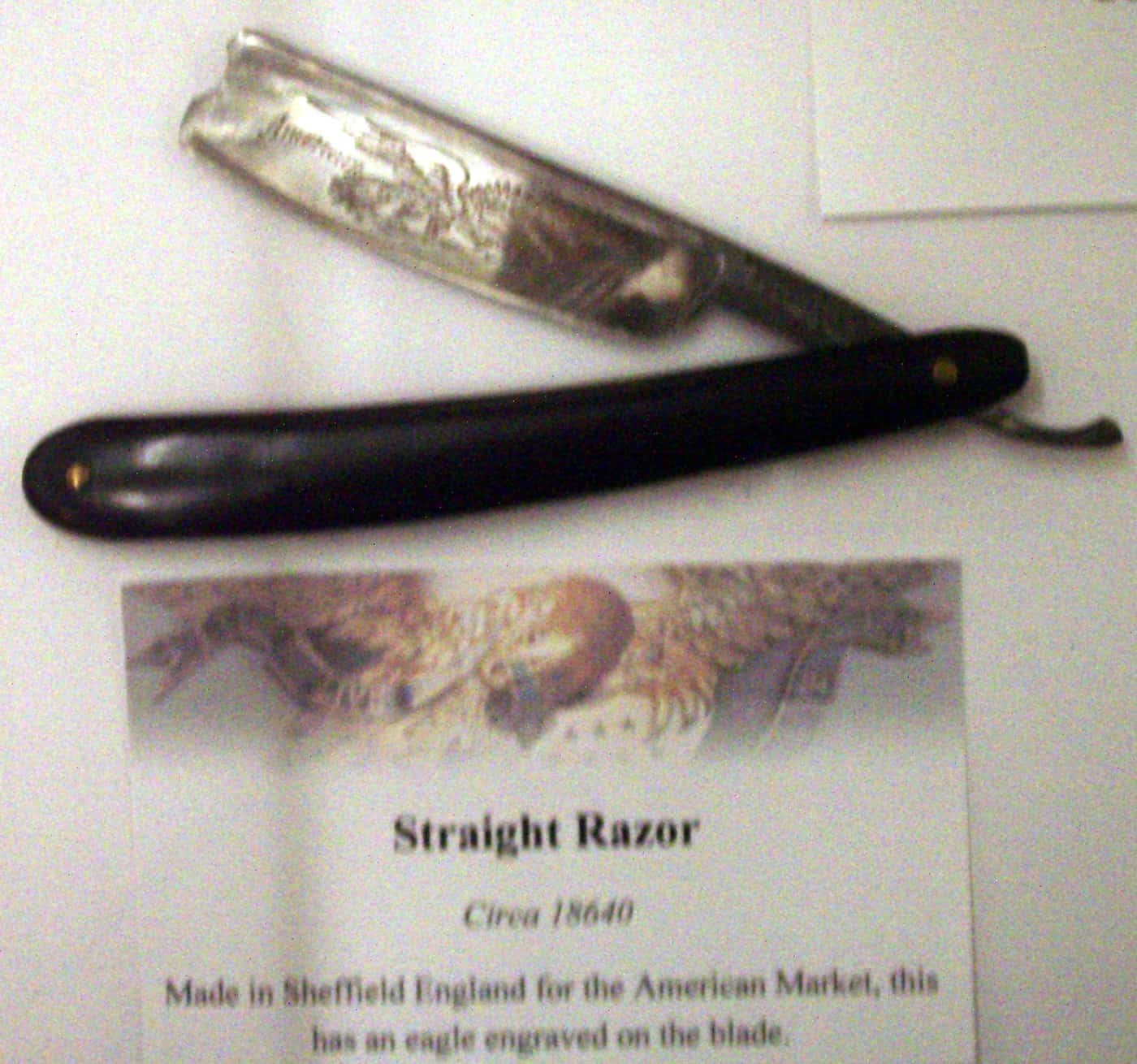
The short answer
The right first straight razor under $100 is a shavette - the Parker SR1 class of razor - because it uses disposable blades, so it is always sharp and you learn the angle without learning honing at the same time. If you want a traditional razor, buy a 5/8-inch carbon-steel blade from an established maker and insist it arrives professionally honed and shave-ready.
Disclosure: we earn commission on qualifying purchases made through the links below, at no extra cost to you. It never changes the order of our picks - here is how that works.
Shave-ready, and why it is the only spec that matters
A straight razor is sold with an edge that looks finished and in most cases is not. Factory grinding produces a blade shape; it does not produce a shaving edge. A razor that has not been honed by someone who knows what they are doing will pull, scrape and cut you, and the near-universal first experience of straight shaving going badly is a razor that was never sharp.
So before anything else, look for the phrase shave-ready in the listing, and preferably the name of the person or shop that honed it. Honing a razor to a shaving edge is a skilled job done on progressively finer stones, and done commercially it costs roughly $20-25.
This matters for the budget. A $60 razor that needs honing is a $85 razor. A $30 shavette needs nothing, because its edge is a replaceable razor blade made to a standard a home honer cannot match.
The second thing to know: vintage is not the beginner's route, despite the romance. Identifying a sound vintage blade - no cracks, no pitting on the edge, correct geometry, honeable - is a skill. Buy new until you have shaved for a while.
Shavette or traditional - pick deliberately
These are different products that produce a similar shave, and the choice should be made on what you want from the process rather than on authenticity.
A shavette holds a disposable double-edge blade, usually snapped in half, in a straight-razor-shaped handle. The edge is always perfect, it costs about ten cents, and you replace it every few shaves. You learn the angle, the stretch and the pass pattern without learning maintenance. It is also more forgiving of long gaps between shaves, and it is what a great many barbers use professionally - because sanitizing a disposable blade is not a question.
A traditional razor has a permanent carbon or stainless blade you strop before every shave and have honed once or twice a year. The shave is often described as slightly smoother, because the blade is thicker behind the edge and the geometry is fixed rather than clamped. It is also an object you maintain, which for many people is the point.
Our recommendation: start with a shavette. If after two months you are enjoying it, buy a traditional razor and keep the shavette for travel. The reverse order - buying a traditional razor, finding the shave difficult, and not knowing whether the cause is your technique or a dull edge - is how people give up.
- Shave-ready is the only specification that matters on a traditional razor.
- 5/8-inch blade width for a first traditional razor - the most manageable size.
- Budget $20-25 for professional honing unless the razor is sold honed.
- A strop is not optional with a traditional razor. Budget for one.
Quick picks
The short version. Tap any row to jump to the full write-up, or go straight to Amazon to check the current price.
| # | Product | Best for | Price |
|---|---|---|---|
| 1 | Parker SR1 stainless shavette Always sharp, costs about $30, and removes honing from the learning curve entirely. | Best overall first razor | |
| 2 | Dovo Best Quality 5/8 carbon steel A real German-made carbon-steel razor at the bottom of Dovo's range. | Best traditional razor | |
| 3 | Boker King Cutter Solingen steel at a lower price than the Dovo, with the same requirements. | Best value traditional razor | |
| 4 | A barber-style disposable-blade razor Professional barber tooling, and the sharpest edges available anywhere. | Best for a very close shave | |
| 5 | A double-edge safety razor instead 95% of the shave, 20% of the learning curve, and blades that cost ten cents. | The sensible alternative |
We do not print prices on this site. Every button opens the live Amazon listing so you see the real price at the moment you click. See our affiliate disclosure.
1. Best overall first razor
Parker SR1 stainless shavette
Always sharp, costs about $30, and removes honing from the learning curve entirely.
- Takes half a standard DE blade
- Stainless steel handle
- Snap-lock blade holder
- Blades cost pennies
This is the razor we would put in the hands of anyone curious about straight shaving. The snap-lock mechanism holds half a standard double-edge blade securely, the handle is stainless rather than plastic, and the balance is close enough to a traditional razor that the technique transfers.
Because the edge is a factory razor blade, it is sharper than most home-honed traditional razors and it is identical every time. That consistency is what lets you isolate your technique: if a pass goes badly, it was the angle or the stretch, not the steel.
Blades are sold in packs of a hundred for a few dollars, and you can try several brands to find one that suits your skin.
It is also the sensible razor for travel, where a honed traditional blade is a liability.
What you give up
The clamped blade is thin and flexes slightly, which is less forgiving of a wrong angle than a thick traditional blade - it will nick you more readily while you learn. It is also, for some people, not the object they wanted.
2. Best traditional razor
Dovo Best Quality 5/8 carbon steel
A real German-made carbon-steel razor at the bottom of Dovo's range.
- 5/8-inch carbon steel blade
- Full hollow grind
- Made in Solingen, Germany
- Usually at the top of this budget
Dovo is one of the few remaining Solingen razor makers producing in volume, and the Best Quality is their entry model - a genuine full-hollow carbon-steel razor at a price that lands inside this budget when bought carefully.
Carbon steel takes a keener edge more easily than stainless and is more pleasant to hone, which matters because you will eventually be honing it. It also rusts if you leave it wet, which is the discipline carbon steel demands.
The 5/8-inch width is the right size for a first traditional razor: narrow enough to maneuver under a nose and around a jaw, wide enough to be stable on the face.
Order it honed, or budget for honing before the first shave.
What you give up
Carbon steel will rust overnight if not dried, needs stropping before every shave, and will need professional honing once or twice a year. Often not shipped shave-ready, which adds $20-25 to the real price.
3. Best value traditional razor
Boker King Cutter
Solingen steel at a lower price than the Dovo, with the same requirements.
- 5/8-inch carbon steel
- Round point - more forgiving
- Made in Solingen
- Plastic scales rather than wood
The King Cutter has been Boker's value razor for decades and it is the cheapest route into a genuine German-made traditional blade. The savings come from the scales - molded plastic rather than wood or horn - which has no effect at all on the shave.
The round point is worth noting: a rounded blade tip is considerably more forgiving than a square or spike point, which is exactly what a beginner wants. Square points are precise around sideburns and are also how beginners nick themselves.
Same caveats as any traditional razor: it needs stropping, drying and periodic honing.
If you have decided you want a traditional razor and want to spend as little as possible on a sound one, this is it.
What you give up
Plastic scales feel cheap in the hand and are the part most likely to crack. Like the Dovo, it frequently ships without a shaving edge, so confirm honing before you count the cost.
4. Best for a very close shave
A barber-style disposable-blade razor
Professional barber tooling, and the sharpest edges available anywhere.
- Takes professional barber blades
- Lightweight folding handle
- Blades sold in bulk
- Under $25 for most models
This is the format barbers actually use for neck lines and beard edges: a light folding holder taking a professional single-edge blade. The blades are made to an industrial sharpness standard and are not reusable, which solves both maintenance and hygiene.
For edging a beard, cleaning up a neckline or shaving a head, it is more controllable than a traditional razor because it is much lighter.
Feather's professional razors are the reference product in this format and sit around the middle of this budget; the generic equivalents cost very little and take the same blades.
Worth owning alongside whatever your main razor is.
What you give up
The lightness that makes it maneuverable also means less of the blade weight that helps a traditional razor track the face, and these blades are notably unforgiving - they will cut skin at the wrong angle without resistance.
5. The sensible alternative
A double-edge safety razor instead
95% of the shave, 20% of the learning curve, and blades that cost ten cents.
- Double-edge safety razor
- Universal blade standard
- No honing or stropping
- Typically $30-45
We would be doing you a disservice not to name this. A double-edge safety razor delivers a shave very close to a straight razor's, uses the same ten-cent blades, requires no honing or stropping, and takes an afternoon rather than two months to learn.
The gap in closeness between a good safety-razor shave and a straight-razor shave is small. The gap in effort is large.
Straight shaving is worth doing if the ritual appeals to you - and plenty of people find it genuinely enjoyable. It is not worth doing because you expect a dramatically better result, because the result is similar.
Our best safety razor under $50 covers that route in full, and is a safety razor worth it does the arithmetic on blade costs over a few years.
What you give up
No single-blade ritual, and it will not edge a beard line with the precision of a straight razor. If the process is what you want rather than the outcome, this is the wrong purchase.
The things you have to buy as well
A straight razor on its own is not a shave, and the extras are a real part of the budget.
A strop, for a traditional razor. Stropping realigns the edge before each shave and is not optional - an unstropped razor dulls within a handful of shaves. A basic leather strop with a linen side costs $25-40, and a cheap one is fine to learn on because you will nick it while learning.
Soap and a brush. Straight shaving needs a slicker, more durable lather than canned foam provides, because the blade has nothing to glide on. A puck of hard soap and a basic boar brush costs very little and lasts a year.
Alum or a styptic pencil. You will nick yourself. Alum closes it immediately.
Honing, once or twice a year. Either you learn it - which means stones, which means another $80 and a lot of practice - or you post the razor to a honemeister for about $20-25.
Total realistic first-year cost for the traditional route: razor plus honing plus strop plus soap, so comfortably $120-160. The shavette route is roughly $50 all in.
Learning it without hurting yourself
The technique is not difficult but it is specific, and the failure mode is blood rather than a bad haircut, so it is worth taking seriously.
Start with one pass on the cheeks only. Finish with your usual razor. Add the chin after a week, the jaw after two, the neck last. The neck is the hard part for everyone.
The angle is roughly 30 degrees - about two blade-widths off the skin. Flatter than that and the edge scrapes; steeper and it cuts in.
Stretch the skin with your free hand. This matters more than any other single thing. Slack skin is what gets nicked.
Never shave against the grain while learning. With the grain only, for the first month.
Keep the blade moving in a straight line and let the weight of the razor do the work. Pressing is the second most common beginner error after a wrong angle.
Our how to choose a straight razor guide goes further on blade geometry and grind, and why are straight razors so expensive explains what the money buys above this price bracket.
How we picked
We limited the list to razors currently sold in the US under $100, then ranked them on how likely a first-time straight shaver is to end up with a good shave - which put edge consistency and whether the razor arrives usable above steel pedigree and finish.
That is why a $30 shavette is our top pick over a $90 traditional razor. The traditional razor is the better object; the shavette is the better purchase for the person asking this question.
We have not shaved with these razors and make no claim to hands-on testing. The guidance above reflects the consistent position of established straight-shaving communities and retailers on honing, blade width and beginner technique, cited in sources. Our method is on how we pick.
How we picked
Every pick on this page is a real, currently-sold product that we could find at or under $100 at the time of the last update. Rank order is set before any link is attached.
We are research-led, not lab-led. We do not run a test lab and we do not claim to have personally used every product on this site. Picks come from manufacturer specifications, owner-reported reliability and failure patterns, expert-publication consensus, and real availability at the stated price ceiling. Read the full method.
Common questions
+Is a straight razor under $100 any good?
Yes, provided it is shave-ready. Edge quality is almost entirely down to honing rather than price, and a professionally honed $60 razor shaves as well as a $300 one. A shavette sidesteps the question entirely by using disposable blades.
+Should a beginner buy a shavette or a traditional straight razor?
A shavette. It is always sharp, so you learn angle and skin-stretch without simultaneously learning honing and stropping - and if a pass goes badly you know it was your technique. Move to a traditional razor once the shave itself feels routine.
+What width straight razor should a beginner buy?
5/8 inch. It is narrow enough to maneuver around the nose and jaw and wide enough to sit stably on the face. Wider blades hold more lather but are harder to control in tight areas; narrower ones need more passes.
+Do I need to hone a new straight razor?
Almost always, unless the seller explicitly states it is shave-ready and names who honed it. Factory grinding produces a blade shape rather than a shaving edge, and professional honing costs about $20-25. Budget it into the purchase price.
+Is a straight razor better than a safety razor?
Marginally closer at best, and much more work. The honest comparison is that a safety razor gets you most of the result with a fraction of the learning and no maintenance. Buy a straight razor because you want the ritual, not because you expect a dramatically better shave.
Sources
Read next
Grooming
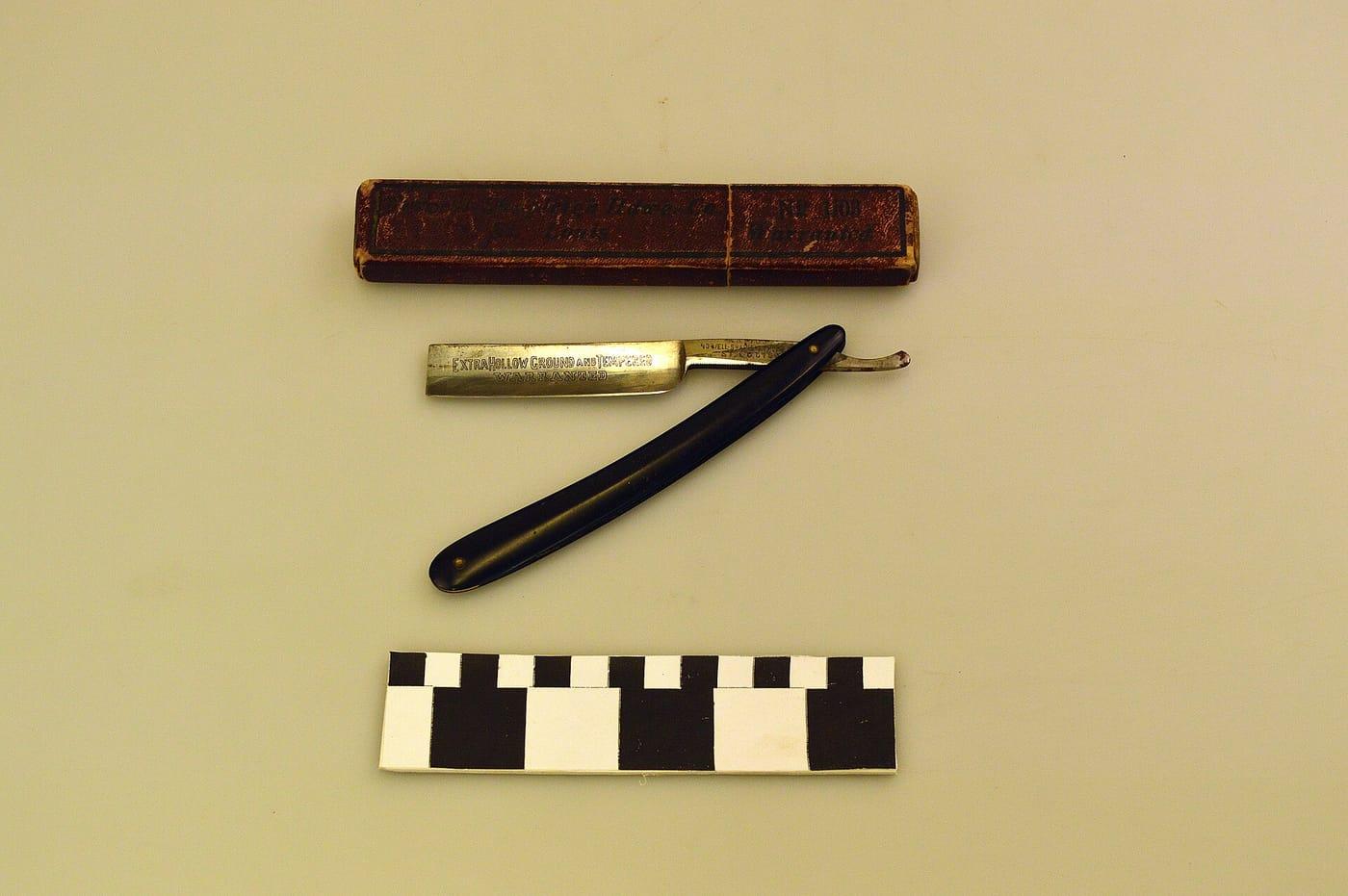
How to Choose a Straight Razor Without Wasting Money
Width, grind and point decoded, why shave-ready is the spec that matters most, and what a beginner should buy.
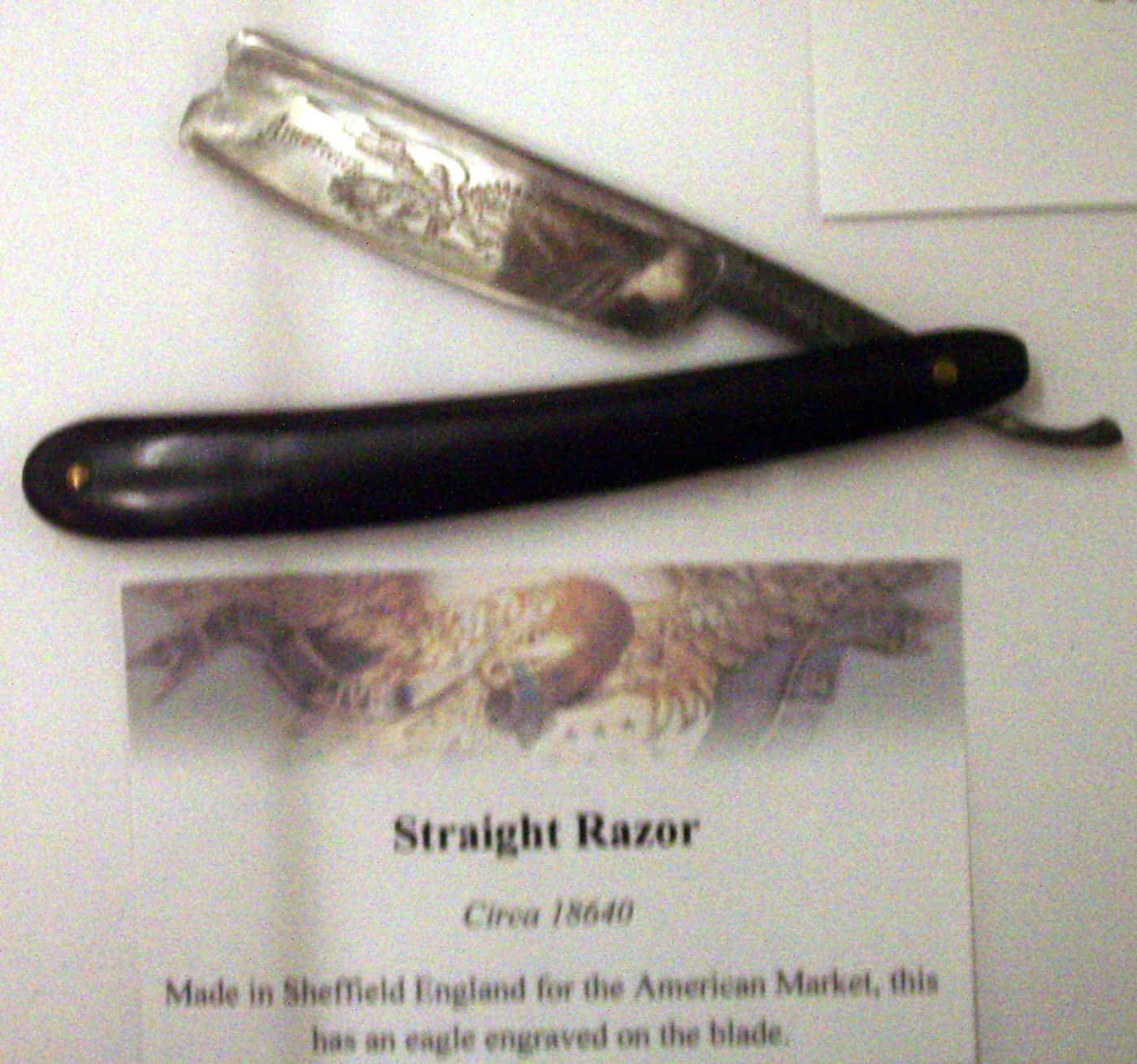
Grooming
Why Are Straight Razors So Expensive?
Hollow grinding, heat treatment and a tiny market - plus the strop and hone nobody includes in the price.
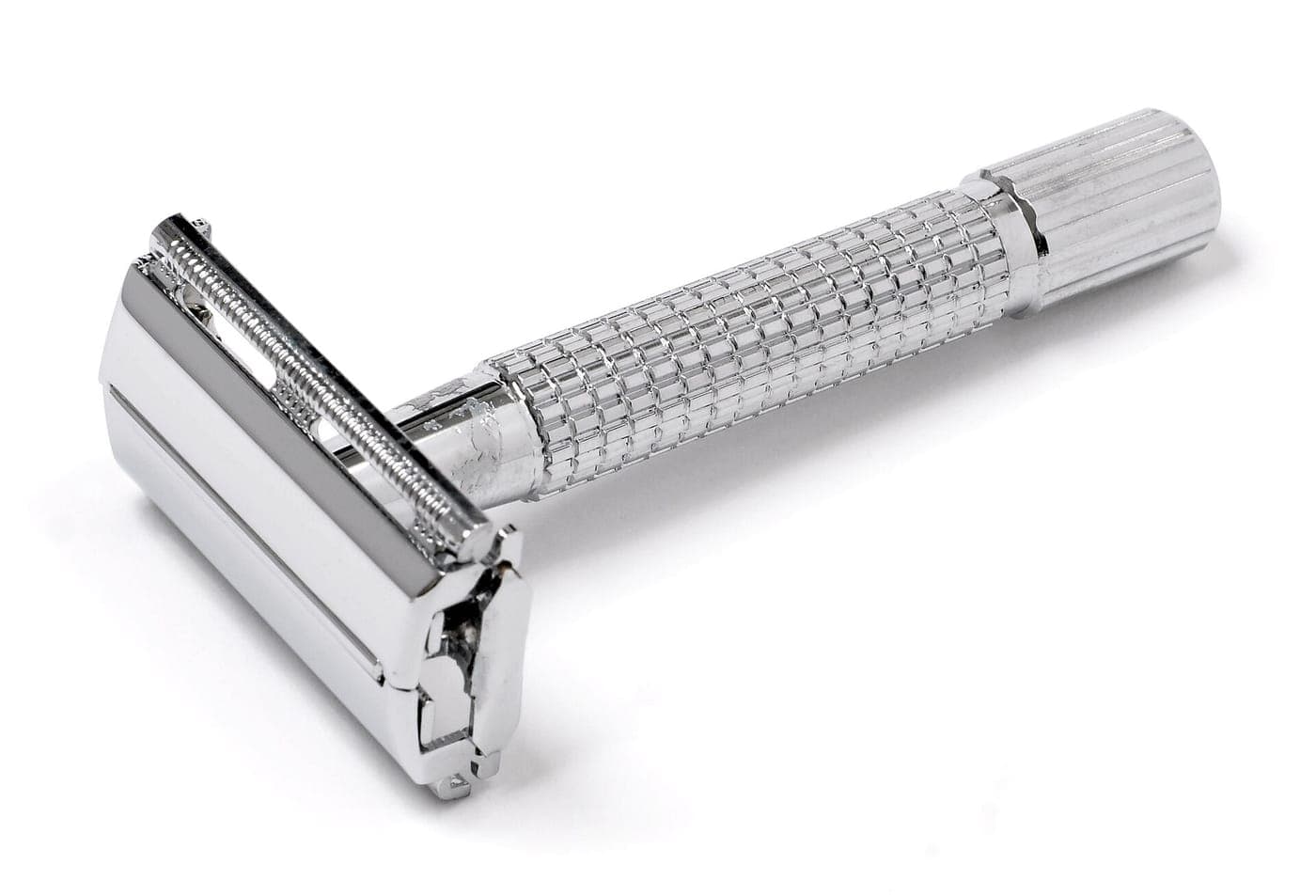
Best safety razor under $50
Best Safety Razor Under $50 (October 2026)
A $36 razor that lasts decades and drops blade costs to around ten cents a shave. Five picks and the real learning curve.

Shop by price
Under $100
The sweet spot. The only price ceiling with real search demand in all seven categories we cover.
Category
Grooming
Shavers, trimmers, razors and toothbrushes - one of the few areas where cheap can genuinely win.
Think we got a pick wrong, or spotted one that is out of stock or over its ceiling? Tell us - corrections go to the front of the queue.