Grooming
Is a Safety Razor Worth It?
For most people, yes - and the reason is not nostalgia, it is that the running cost falls by around 90%. Here is the full accounting, including the parts against it.
By Brijon M. - Published October 2, 2026

The short answer
For most daily shavers, yes. A $36 razor plus blades costs roughly $45 in year one and about $4 a year after that, against $100 or more a year in cartridges. The real costs are a two-week learning curve and five minutes rather than ninety seconds per shave - and if you shave in the car or at the gym, those costs are decisive.
The money, properly worked out
Cartridge razors are among the most expensive consumables most people buy without noticing. Branded refills typically run $3 to $5 each, and manufacturers suggest replacing them weekly. Even stretching each cartridge to two weeks, that is roughly $80-130 a year.
Double-edge blades cost between seven and twenty cents each when bought in packs of a hundred, which is how everybody buys them. Most people get three to five shaves from a blade. For a daily shaver that is roughly 80-100 blades a year, or about $8-15 annually.
So the five-year picture looks roughly like this: cartridges, somewhere between $400 and $650. Safety razor, about $36 for the razor plus $20 for a brush and soap plus perhaps $60 in blades, so around $115 - and at the end of it you still own the razor.
That is not a marginal saving. It is the single largest percentage reduction in running cost available in any category on this site.
The two costs that are not money
Time. A cartridge shave is ninety seconds. A proper safety razor shave with a brush and lather is four to six minutes. Over a year that is roughly twenty hours. Some people find the ritual genuinely enjoyable and would not give it back; others find it an imposition on a weekday morning. Be honest with yourself about which you are.
The learning curve. Your first three or four shaves will be worse than your cartridge shaves and you will probably nick yourself. A cartridge pivots to find the correct angle for you; a safety razor requires you to hold it. Most people are comfortable within two weeks and faster than before within a month, but those two weeks are real.
Quick picks
The short version. Tap any row to jump to the full write-up, or go straight to Amazon to check the current price.
| # | Product | Best for | Price |
|---|---|---|---|
| 1 | Merkur 34C Heavy Duty Mild enough to learn on, good enough to keep forever. | The one to start with | |
| 2 | Double-edge blade sampler pack Blade preference varies by face more than razor preference does. | The most important $12 you will spend | |
| 3 | Synthetic shaving brush Builds the lather that makes the whole thing work. | Half the improvement, for very little money |
We do not print prices on this site. Every button opens the live Amazon listing so you see the real price at the moment you click. See our affiliate disclosure.
1. The one to start with
Merkur 34C Heavy Duty
Mild enough to learn on, good enough to keep forever.
- Mild
- ~77g brass
- Short handle
- Around $36
If you decide to try this, start here. Mild aggressiveness forgives the angle errors you will make in week one, and the weight stops you pressing, which is the other common beginner mistake.
It is also cheap enough that an unsuccessful experiment costs about the same as a month of cartridges.
What you give up
Short handle is cramped for large hands - the Edwin Jagger DE89 is the same mildness on a longer handle.
2. The most important $12 you will spend
Double-edge blade sampler pack
Blade preference varies by face more than razor preference does.
- Multiple brands
- Typically 20-50 blades
- Fits every DE razor
- Around $12
This is the purchase people skip and then regret. Blades vary enormously in sharpness and smoothness - a Feather is extremely sharp and wonderful for some faces and harsh for others, while an Astra is milder and more forgiving.
Buying a hundred of one brand before knowing which suits you is how people conclude that safety razors irritate their skin, when the real answer was the wrong blade.
What you give up
You will end up with a small pile of blades from brands you did not get on with. They cost cents, so this barely counts as a cost.
3. Half the improvement, for very little money
Synthetic shaving brush
Builds the lather that makes the whole thing work.
- Synthetic bristle
- Dries fast
- No shedding
- Around $12-20
A brush lifts the hair and works soap into it, which is most of why a wet shave feels different from a can of gel smeared on with a hand. Synthetic bristles perform as well as badger for this, cost far less, dry faster and do not shed.
If the budget is tight, this and a puck of soap matter more to the result than upgrading the razor.
What you give up
Adds a couple of minutes to the routine and something else to rinse and dry. Cheap synthetics can feel slightly scratchy for the first few uses.
Who should not switch
Three groups, and we would tell all three to stay with what they have.
People who shave outside a bathroom. In a car, at a gym, on a train. A safety razor needs a basin, hot water and a few minutes. If your shave happens anywhere other than in front of a sink, an electric shaver is the right product and a safety razor is a bad fit.
People who genuinely hate the process. The time cost is real. If a morning routine is something you want to be over as fast as possible, adding four minutes to it every day is a worse trade than $100 a year.
People with certain skin conditions. If you have severe folliculitis, active acne along the beard line, or have been advised by a dermatologist to avoid close shaving, a single sharp blade cutting at skin level may not be the right tool. Ask, rather than experimenting.
The skin-irritation question
A common claim is that safety razors cause less ingrown hair and irritation than cartridges. There is a plausible mechanism: a multi-blade cartridge works by having the first blade pull the hair up and the next cut it below the skin surface, and a hair cut below the surface is a hair that can grow back into the follicle.
A single blade cuts at the surface instead. People prone to ingrown hairs frequently report real improvement after switching, and that is the most commonly cited practical benefit after cost.
We would not state it as a certainty for you specifically. Skin varies, and plenty of people shave with cartridges for decades without a problem. But if ingrown hairs are your issue, this is a cheap experiment with a plausible basis.
What a sensible first purchase looks like
A mild razor, a blade sampler, a synthetic brush and a puck of soap. Total around $70, of which $36 is the razor you will still own in twenty years. Everything in best safety razor under $50 qualifies for the first item.
What we would avoid on day one: an aggressive or open-comb razor, a hundred-pack of a single blade brand, a badger brush, and a stand. All four are things to buy later if the hobby takes, and all four are money wasted if it does not.
If what appeals is the object rather than the economics, cheap vs expensive safety razor is the honest account of what a $250 razor actually adds.
Common questions
+How much money does a safety razor actually save?
Roughly $80-120 a year for a daily shaver. Cartridges cost $3-5 each; double-edge blades cost 7-20 cents and last three to five shaves. The razor pays for itself within a few months.
+How long does it take to learn?
Most people are comfortable within two weeks and faster than their old cartridge shave within a month. Expect the first three or four shaves to be slower and to involve at least one nick.
+Do safety razors give a closer shave?
With good technique, yes - a single sharp blade cutting at the surface, used in two or three light passes, gets closer than most cartridges. But technique is doing the work, and in week one the cartridge will win.
+Will it help with ingrown hairs?
Often. Multi-blade cartridges cut hair below the skin surface, which is a known contributor to ingrown hairs; a single blade cuts at the surface. People prone to them frequently report improvement, though skin varies and this is not a guarantee.
+Is it safe for a complete beginner?
Yes, with a mild razor and no pressure. The nicks people get in week one are minor and come from pressing or using too steep an angle. Start with a mild razor, let the weight do the work, and take two light passes rather than one hard one.
Sources
Read next

Best safety razor under $50
Best Safety Razor Under $50 (October 2026)
A $36 razor that lasts decades and drops blade costs to around ten cents a shave. Five picks and the real learning curve.

Grooming
Cheap vs Expensive Safety Razor
Same blade, same angle, same shave. A full attribute breakdown of what $200 more actually gets you.
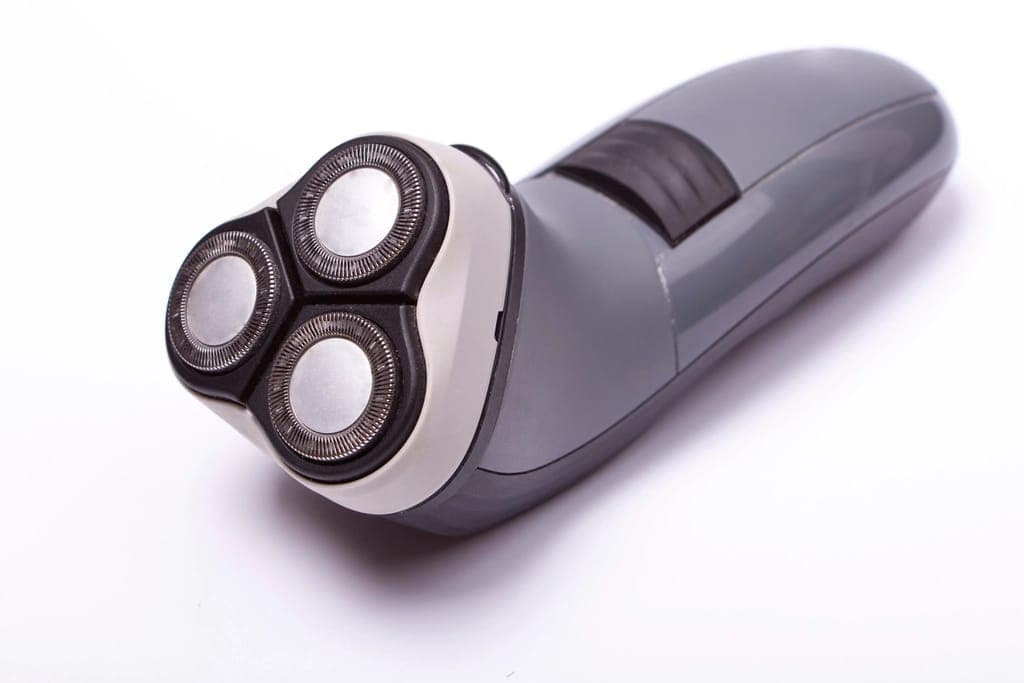
Best electric shaver under $100
Best Electric Shaver Under $100 (October 2026)
Foil or rotary is a question about your face, not about quality. Five picks under $100 and the replacement-head cost nobody mentions.

Shop by price
Under $50
The impulse tier. Some categories are genuinely solved at $50; others are a false economy, and we say which.
Category
Grooming
Shavers, trimmers, razors and toothbrushes - one of the few areas where cheap can genuinely win.
Think we got a pick wrong, or spotted one that is out of stock or over its ceiling? Tell us - corrections go to the front of the queue.