Pet
Best Budget Pet Water Fountains
A fountain only helps if you clean it. The material it is made of decides how often that has to be.
By Brijon M. - Published October 11, 2026
The short answer
The best budget pick for most households is a stainless-steel fountain in the Veken class, because stainless does not develop the micro-scratches that make plastic bowls harbor bacteria. The cheapest fountain genuinely worth owning is the Catit Flower at around $28. Whatever you buy, budget for replacement filters and commit to a weekly strip-and-scrub, because an unmaintained fountain is worse than a bowl.
Disclosure: we earn commission on qualifying purchases made through the links below, at no extra cost to you. It never changes the order of our picks - here is how that works.
Why a fountain at all
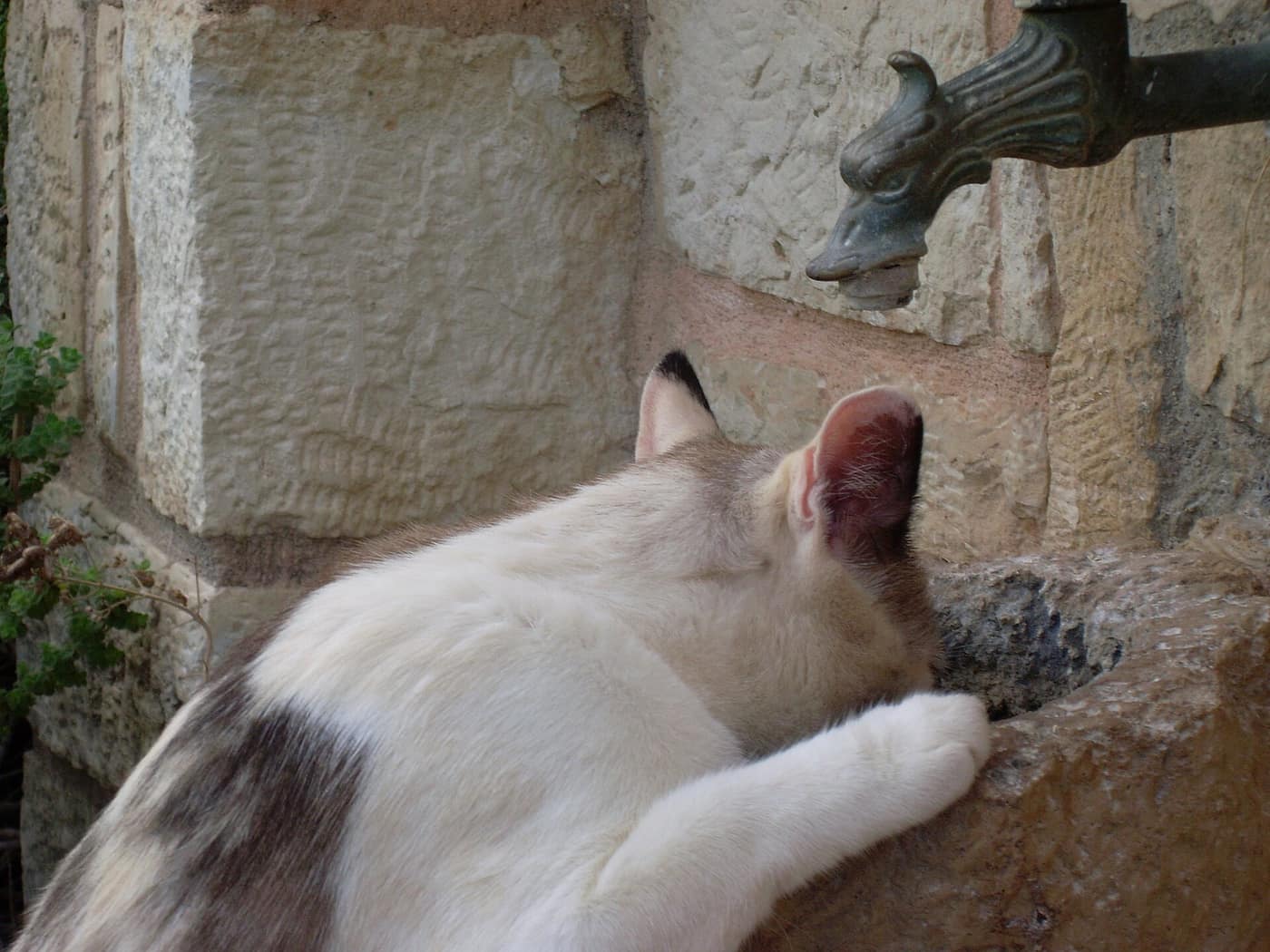
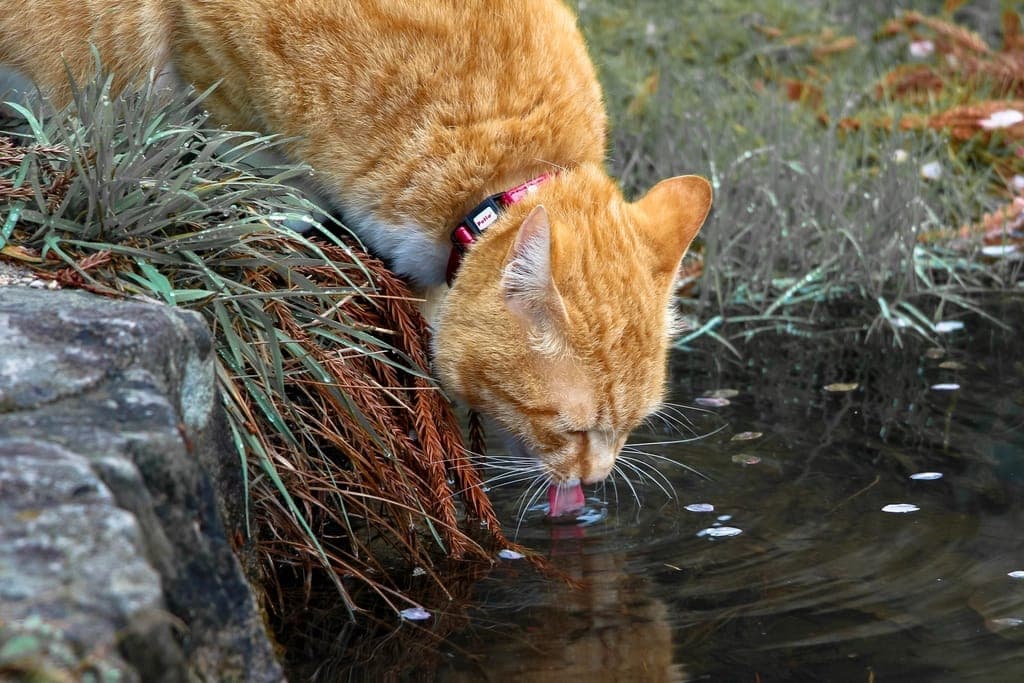
The argument for a fountain is specific and it is mostly about cats. Cats evolved from desert animals, have a weak thirst drive, and chronically under-drink - which matters because urinary tract and kidney problems are among the most common conditions in domestic cats. Moving water is more attractive to most cats than still water, and cats that drink more are better off.
There is also a behavioral reason: many cats dislike putting their whiskers against the sides of a deep bowl, and dislike water that smells of the bowl. A wide, moving, frequently-refreshed stream solves both.
For dogs the case is weaker. Dogs generally drink readily from a bowl, and the main benefit of a fountain is capacity - a large reservoir means a dog left for the day does not run out.
Set expectations honestly. A fountain is not a medical device and it does not treat anything. If your cat has a diagnosed urinary or kidney condition, the intervention that matters is the one your vet prescribes, which is usually wet food. A fountain is a reasonable addition, not a substitute.
Our are pet water fountains worth it guide takes the question apart in more detail.
Material, noise, cleaning - in that order
Material. Plastic develops micro-scratches with use and cleaning, and those scratches hold biofilm that a wipe does not remove. Stainless steel and ceramic do not scratch the same way, which is why the whole category has been moving toward them. Plastic is not unusable - it just needs more frequent and more thorough cleaning. This is the main thing price buys at the budget end.
Pump noise. A fountain sits in your house and runs constantly. A noisy pump is one you will unplug, and an unplugged fountain is a stagnant bowl. Pump noise is also the most common reason a cat avoids a fountain. Look for "ultra-quiet" claims with some skepticism and check reviews specifically for noise.
Ease of cleaning. Count the parts. A fountain with a one-piece pump, a simple reservoir and no narrow internal channels gets cleaned weekly. One with a decorative labyrinth gets cleaned twice and then never again. This is the most predictive feature in the whole category.
Filter cost. Carbon filters are consumables, typically replaced every two to four weeks. Over a year that is a real cost, often approaching the fountain price, and it varies hugely by brand. Check it before you buy, and note that generic replacements exist for most popular models.
Capacity. 70 oz and up for one cat; more for multiple pets or a dog.
- Stainless or ceramic over plastic, if the budget allows.
- Fewer parts means it actually gets cleaned. This matters most.
- Check annual filter cost before buying, not after.
- Pump noise is the main reason fountains get unplugged.
Quick picks
The short version. Tap any row to jump to the full write-up, or go straight to Amazon to check the current price.
| # | Product | Best for | Price |
|---|---|---|---|
| 1 | Veken stainless-steel fountain Stainless construction and a large reservoir at a price plastic fountains occupy. | Best overall | |
| 2 | Catit Flower Fountain Around $28, three flow settings, and the easiest way to find out whether your cat likes a fountain. | Best cheap pick | |
| 3 | PetSafe Drinkwell 360 stainless Five streams and 360-degree access, for a household where everyone drinks at once. | Best for multiple pets | |
| 4 | A ceramic fountain The most scratch-resistant, best-looking option, and the easiest to see when it is dirty. | Best for hygiene | |
| 5 | Several wide shallow bowls, refilled daily Free of pumps, filters and biofilm - and for many cats it works just as well. | The honest alternative |
We do not print prices on this site. Every button opens the live Amazon listing so you see the real price at the moment you click. See our affiliate disclosure.
1. Best overall
Veken stainless-steel fountain
Stainless construction and a large reservoir at a price plastic fountains occupy.
- Stainless steel bowl, 100+ oz
- Multi-stage filtration
- Quiet submersible pump
- Two or three flow modes
Stainless at this price is the reason to pick this. The hygiene argument above is the single most important thing about a fountain, and a steel bowl that will not scratch is a meaningfully easier thing to keep clean over two years than a plastic one.
The reservoir is large enough for a multi-cat household or a dog, which also means you top it up every few days rather than daily.
Flow modes matter more than they sound: some cats prefer a gentle bubbling surface and others want a visible stream, and being able to switch is how you find out which.
Strip and scrub it weekly and this is a fountain that stays good for years.
What you give up
The pump housing and some internal parts are still plastic, so the hygiene advantage is partial. Steel shows water marks and cat-nose smudges visibly, and the larger reservoir is heavier to carry to the sink.
2. Best cheap pick
Catit Flower Fountain
Around $28, three flow settings, and the easiest way to find out whether your cat likes a fountain.
- 3 L capacity
- Three flow settings including a gentle bubbling top
- Small footprint
- Carbon filter included
The Flower has been the default entry-level fountain for years because the three flow settings genuinely solve the main uncertainty: you do not know whether your cat wants a bubbling surface, a gentle stream or a falling flow until you try all three.
The small footprint suits a flat or a kitchen corner where the larger fountains do not fit.
At this price it is also the sensible way to test the whole premise. If your cat ignores it, you have spent very little; if your cat loves it, you have learned which flow type to look for in a better fountain.
Replacement filters are cheap and widely available, including generic equivalents.
What you give up
Plastic, so it needs more frequent and more careful cleaning than a steel fountain, and it scratches. 3 L is small for a multi-pet household, and the pump is audible in a quiet room.
3. Best for multiple pets
PetSafe Drinkwell 360 stainless
Five streams and 360-degree access, for a household where everyone drinks at once.
- 128 oz stainless reservoir
- Up to five spouts, 360-degree access
- Dishwasher-safe main components
- Larger pump
The design point is access from every side, which is specifically useful in a household with several cats or a cat and a small dog - no animal has to approach another to drink, which in multi-cat homes is a real source of avoidance.
All-stainless construction on the main vessel, and the major parts are dishwasher-safe, which is the single best feature a fountain can have for actually getting cleaned.
Larger capacity means less frequent topping up.
It sits at the upper end of what we would call budget, and the step up is justified if you have more than two animals.
PetSafe filters are proprietary and that is the ongoing cost to check.
What you give up
The largest footprint here by some margin, and the pump is correspondingly less quiet. Proprietary filters are more expensive than generic alternatives for other brands, which adds up over a year.
4. Best for hygiene
A ceramic fountain
The most scratch-resistant, best-looking option, and the easiest to see when it is dirty.
- Glazed ceramic bowl
- Dishwasher safe
- Heavy - does not get pushed around
- Visible water level on most models
Glazed ceramic is the most hygienic surface in this category. It does not scratch under scrubbing, it does not retain odours, and biofilm has nothing to grip, which means a wipe actually cleans it.
It is also heavy, which sounds like a drawback and is not - a ceramic fountain stays where you put it instead of being shoved across the floor by a determined cat.
The other quiet advantage is that dirt is visible on a pale glaze. A plastic fountain can look fine and be slimy; a ceramic one tells you.
Entry-level ceramic fountains now land within a budget bracket, which was not true a couple of years ago.
What you give up
Breakable, and heavy to lift to the sink when full. Cheaper ceramic fountains have smaller reservoirs than the plastic equivalents at the same price, and a chip in the glaze creates exactly the rough surface you bought ceramic to avoid.
5. The honest alternative
Several wide shallow bowls, refilled daily
Free of pumps, filters and biofilm - and for many cats it works just as well.
- Wide, shallow, stainless or ceramic
- Placed away from food and litter
- No filters, no pump, no noise
- Under $20 for several
This is a legitimate recommendation rather than a token alternative. A fountain's advantage over a bowl largely disappears if the bowl is the right shape, in the right place, and refilled daily - and bowls have no pump to fail, no filter to buy and no internal channels to grow biofilm in.
Wide and shallow so whiskers do not touch the sides. Stainless or ceramic, never plastic. Several of them, in different rooms, away from the food bowl and well away from the litter tray - distance from both is a documented feline preference.
Refill daily rather than topping up, and wash properly a couple of times a week.
If your cat drinks happily from bowls, a fountain is a convenience purchase rather than a health one. Try this first; it costs almost nothing to find out.
What you give up
Still water genuinely does not interest some cats, and a bowl holds far less than a fountain so it is poor for a pet left alone all day. Requires daily attention, which a fountain reduces.
The cleaning reality, stated plainly
This is the part that decides whether a fountain is better or worse than a bowl, and it is where fountains mostly fail.
A fountain is a warm, circulating, constantly-wetted environment. That is an excellent place for biofilm - the slippery layer of bacteria that forms on any surface in standing water. An unmaintained fountain is measurably less hygienic than a bowl you rinse daily.
Weekly, fully: take it apart, including the pump housing, scrub every surface with a brush, run hot water through the pump's impeller chamber, and reassemble. The pump is where most of the slime lives and it is the part people skip.
Every two to four weeks: replace the carbon filter. A clogged filter restricts flow and strains the pump.
Daily: top up, and look at the water. Cloudy or slimy means the weekly clean is overdue.
Never use strong detergent or bleach unless you rinse exhaustively - residue puts cats off drinking entirely.
If you will not do the weekly strip-down, buy bowls. That is not a judgement, it is just arithmetic about which option your pet ends up better off with.
Getting a cat to actually use it
Cats are specific about water in ways that look arbitrary and are fairly consistent.
Keep the fountain for a week while the old bowl stays. Removing the familiar option to force the new one makes anxious cats drink less, not more.
Away from food, and far from the litter tray. Cats avoid drinking near either, and the litter tray proximity is the stronger effect.
Try all the flow settings. Some cats want a visible falling stream, others are startled by it and prefer a gently bubbling surface.
Noise is the usual culprit when a cat refuses a fountain. Check the water level - a low reservoir makes almost every pump louder.
Keep the water level up. Beyond noise, a low level means the pump sucks air, which is both loud and bad for it.
Give it two weeks. Plenty of cats ignore a fountain for days and then adopt it.
For the rest of the setup, how to choose a cat litter box covers the other half of the placement question - and the two should not be near each other.
How we picked
We limited the list to fountains currently sold in the US at a budget price point, then ranked on material hygiene, number of parts to clean, pump noise and capacity - in that order, because the deciding factor in whether a fountain helps a pet is whether it stays clean.
We also checked the ongoing filter cost for each, because a cheap fountain with expensive proprietary filters is not a cheap fountain.
The fifth entry is bowls rather than a fountain, because for a cat that already drinks well a fountain is a convenience rather than a health intervention, and we would rather tell you that.
We have not tested these fountains and claim no veterinary expertise. The hygiene reasoning reflects the documented behavior of biofilm on scratched plastic versus glazed and steel surfaces; the feline water-preference points reflect established veterinary advice. Our method is at how we pick.
How we picked
Every pick on this page is a real, currently-sold product that we could find at or under a genuinely budget price at the time of the last update. Rank order is set before any link is attached.
We are research-led, not lab-led. We do not run a test lab and we do not claim to have personally used every product on this site. Picks come from manufacturer specifications, owner-reported reliability and failure patterns, expert-publication consensus, and real availability at the stated price ceiling. Read the full method.
Common questions
+Are pet water fountains worth it?
For cats that under-drink, often yes - moving water is more attractive to most cats than still water. For dogs, the main benefit is capacity rather than interest. In both cases the benefit depends entirely on whether you clean it weekly; an unmaintained fountain is worse than a bowl.
+Stainless steel or plastic pet fountain?
Stainless, if the budget allows. Plastic develops micro-scratches from use and cleaning, and those scratches hold biofilm that wiping does not remove. Steel and glazed ceramic do not scratch the same way, so they stay genuinely cleanable for years.
+How often should I clean a pet water fountain?
A full strip-down weekly, including the pump housing and impeller chamber - that is where most of the biofilm forms and it is the part people skip. Replace the carbon filter every two to four weeks, and top up and eyeball the water daily.
+Why won't my cat use the water fountain?
Usually pump noise, or placement. Check the water level - a low reservoir makes most pumps much louder - and move the fountain away from the food bowl and especially away from the litter tray. Try each flow setting, keep the old bowl for a week, and give it a fortnight.
+Do pet fountain filters need replacing?
Yes, typically every two to four weeks, and a clogged one restricts flow and strains the pump. Check the annual filter cost before buying - it can approach the price of the fountain, and it varies a lot by brand. Generic replacements exist for most popular models.
Sources
Read next
Pet
Are Pet Water Fountains Worth It?
Why cats drink more from moving water, the weekly cleaning nobody mentions, and the free fixes to try first.
Best automatic cat feeder under $50
Best Automatic Cat Feeder Under $50 (October 2026)
Five automatic cat feeders under $50, split between compartment and hopper designs - what each can and cannot do, and the failure modes to test for.
Pet
How to Choose a Cat Litter Box Your Cat Will Actually Use
The size rule most boxes break, the honest case for and against a cover, and how many boxes a household needs.

Think we got a pick wrong, or spotted one that is out of stock or over its ceiling? Tell us - corrections go to the front of the queue.