Pet
How to Choose a Cat Litter Box Your Cat Will Actually Use
Most litter box problems are box problems, and most box problems are size problems. The rule is simple and almost every commercial box breaks it.
By Brijon M. - Published October 5, 2026

The short answer
Buy a box that is **at least one and a half times your cat's length** from nose to tail base - most standard boxes are too small. Choose uncovered unless odor control genuinely matters more than your cat's preference, and provide **one box per cat plus one**. Those three rules prevent the majority of litter box refusals.
Size is the rule that matters most
Cats need room to turn around, dig a hole, position themselves, and then cover up afterwards. That is four distinct movements, and a box that is too small means at least one of them happens with a paw or a tail hanging over the edge - which is how you end up cleaning the floor and assuming your cat is being difficult.
The rule: the box should be at least one and a half times the length of your cat, measured from the nose to the base of the tail. A 16-inch cat wants a box at least 24 inches long.
Standard pet-store boxes are typically around 18 inches, which fits a small or average cat and is genuinely too small for a large one. For the big breeds - Maine Coons, Ragdolls, Norwegian Forest Cats, anything over about 15lb - a 23-inch interior length is the practical minimum, and width matters too: 14 inches of interior width at the very least, with 16 to 18 inches better, because a large cat needs shoulder room plus space to extend a paw and dig.
The cheapest fix in the whole category is to stop buying litter boxes and buy a plastic storage tote instead. A large under-bed storage box is bigger than almost any purpose-made litter box, costs less, and the only modification needed is cutting a lower entry if your cat is old or arthritic.
- 1.5x your cat's body length, minimum.
- Low sides (3-4 inches) for kittens and senior cats.
- High sides (8+ inches) for enthusiastic diggers and high sprayers.
Covered or uncovered, honestly
This is the question people most want answered, and the honest answer is that the two parties want different things.
Covered boxes benefit you. They contain odor, they stop litter being scattered across the floor, they hide the contents, and they look better in a living space. Those are real advantages and the reason most people buy one.
Uncovered boxes benefit the cat. They are easier to clean, they are cheaper, there is no trapped smell inside a confined space, and critically there is no ambush risk - a cat in a hooded box cannot see what is approaching and has only one exit. In a multi-cat household, or with a nervous cat, that matters a lot.
Many cats use a covered box without complaint. Some will refuse it outright, and that refusal is often the actual cause of a sudden "behavior problem". If your cat starts going elsewhere after you buy a hood, take the hood off and see what happens - that single test resolves a surprising proportion of cases.
The compromise that works: a large uncovered box with high sides. You get most of the litter containment without the enclosure, and it is the setup most cats accept without argument.
How many boxes, and where
The standard guidance is one box per cat, plus one. Two cats, three boxes. This is not fussiness - cats resource-guard, and in a multi-cat home one cat blocking access to the only box is a common and invisible cause of accidents elsewhere.
Spread them out. Three boxes in a row in one room is effectively one location, and it does not solve the guarding problem. Put them in different rooms, and on different floors in a multi-story house.
Placement rules that matter: away from food and water, because cats will not eliminate where they eat. Away from loud appliances - a washing machine starting mid-use will put a cat off a location permanently. Somewhere with an escape route, not a dead-end corner or a cupboard with a door that can swing shut. And accessible to an old cat without stairs or jumping.
For kittens and senior cats, entry height is the thing to check. A box with 8-inch sides is a wall to a twelve-week-old kitten and a painful climb for an arthritic fifteen-year-old. Either buy a low-entry box or cut a doorway into a tall one.
Quick picks
The short version. Tap any row to jump to the full write-up, or go straight to Amazon to check the current price.
| # | Product | Best for | Price |
|---|---|---|---|
| 1 | Van Ness High Sides Cat Litter Pan Open-top with high sides: litter containment without the enclosure cats dislike. | Best overall - the compromise that works | |
| 2 | Petmate Open Litter Pan (Jumbo) A simple, big, cheap pan - which is what most cats want. | Best large open box | |
| 3 | IRIS Top Entry Cat Litter Box Enter from above, which keeps litter in and other animals out. | Best for litter scatter and curious dogs | |
| 4 | Nature's Miracle Hooded Corner Litter Box (X-Large) If you want a hood, this is the size and shape to get. | Best covered box |
We do not print prices on this site. Every button opens the live Amazon listing so you see the real price at the moment you click. See our affiliate disclosure.
1. Best overall - the compromise that works
Van Ness High Sides Cat Litter Pan
Open-top with high sides: litter containment without the enclosure cats dislike.
- High side walls
- Open top
- Lower front entry
- Easy-clean plastic
This is the shape recommended above, and it is cheap. High walls stop a vigorous digger from throwing litter across the room and catch high sprayers, while the open top means no trapped odor, no ambush anxiety and no awkward hood to lift for cleaning.
The front entry is lower than the sides, so cats step in rather than climb in - which keeps it usable for older animals.
The plastic is smooth and non-stick, which sounds trivial until you have owned a textured box that holds onto clumps.
What you give up
Litter still escapes on cat paws - a mat outside the box is still needed. Plastic scratches over years of scooping, and scratched plastic holds odor.
2. Best large open box
Petmate Open Litter Pan (Jumbo)
A simple, big, cheap pan - which is what most cats want.
- Jumbo size
- Open top
- Low entry
- Odor-resistant plastic
The plainest option here and the one that satisfies the size rule for a reasonable price. Nothing to break, nothing to assemble, nothing a cat can object to.
The low entry makes it suitable for kittens and senior cats without modification, which is the main reason to choose it over a high-sided pan.
Petmate's plastic is treated to resist odor absorption, which extends how long the box stays pleasant between replacements.
What you give up
Low sides mean an enthusiastic digger will spray litter outside the box. It offers no odor containment at all, so placement matters more.
3. Best for litter scatter and curious dogs
IRIS Top Entry Cat Litter Box
Enter from above, which keeps litter in and other animals out.
- Top entry
- Grooved lid catches litter
- Enclosed sides
- Includes scoop
A different solution to the same problem. The cat jumps in through a hole in the lid, and the grooved lid surface catches litter from their paws on the way out - which makes it the most effective design here at keeping litter off the floor.
The enclosure also stops a dog getting into the box, which is a common and unpleasant household problem that no amount of training reliably fixes.
With tens of thousands of consistent owner reports behind it, it is a well-proven design rather than a novelty.
What you give up
Requires jumping, so it is unsuitable for kittens, overweight cats, and any cat with arthritis or mobility problems. Some cats simply will not use a top-entry box, and you cannot know in advance.
4. Best covered box
Nature's Miracle Hooded Corner Litter Box (X-Large)
If you want a hood, this is the size and shape to get.
- Hooded
- X-large corner shape
- Charcoal filter
- Antimicrobial plastic
If a cover is non-negotiable - a shared apartment, a box in a living space, a strong-smelling cat - buy a large one. The most common mistake with covered boxes is buying the standard size, which is already tight before you add a roof.
The corner shape uses floor space efficiently, which is often why a hooded box ends up in a cramped spot in the first place, and the charcoal filter in the lid genuinely helps with odor.
The plastic is antimicrobial-treated, which slows the odor absorption that eventually ruins any box.
What you give up
It is still an enclosed space with one exit, and a nervous or multi-cat household may refuse it. The hood has to be lifted for every scoop, which people do less often as a result.
The litter matters as much as the box
A perfect box with litter your cat dislikes is still a box your cat avoids, and cats have clear preferences.
Texture is the main one. Most cats prefer a fine, sand-like clumping litter, which is closest to what they would dig in naturally. Large pellets, crystals and paper litters are convenient for humans and frequently rejected by cats.
Unscented is safer. Perfumed litter is for your nose. A cat's sense of smell is far more sensitive, and a strongly scented litter is a common reason for a cat to decide the box is unpleasant.
Depth: two to three inches. Less, and there is not enough to dig in. More, and it becomes unstable underfoot and gets kicked out.
Change one thing at a time. If you switch litter, mix the new in gradually over a week or two. An abrupt change of brand is one of the most common triggers for a cat going elsewhere, and it is entirely avoidable.
If your cat stops using the box
Work through this in order, because the first item is the one people skip.
See a vet first. Sudden litter box avoidance is a classic sign of a urinary tract infection, crystals, or a blockage - and in male cats a blockage is a genuine emergency. Rule out a medical cause before treating it as behavior.
Then check cleanliness. Cats are more fastidious than most owners assume. Scoop daily, minimum; many cats will refuse a box with yesterday's clumps in it. Fully change and wash the box regularly with unscented soap, never with anything ammonia-based - ammonia smells like urine and tells the cat this is a toilet area.
Then check what changed. New litter, new box, new hood, moved location, a new appliance nearby, a new pet, building work outside. Cats associate a bad experience with the location, so one fright at the box can create a lasting avoidance.
Then add a box, somewhere else. It is the cheapest diagnostic you have, and if a resource-guarding issue is the cause, it resolves it immediately.
If the problem is the smell rather than the cat, our are cheap air purifiers any good guide covers whether a purifier helps - the short version is that it handles airborne particles, not the box.
Common questions
+What size litter box does my cat need?
At least one and a half times your cat's length from nose to the base of the tail. Most standard boxes are around 18 inches, which is too small for a large cat - breeds over about 15lb want a 23-inch interior length and at least 14 inches of width.
+Are covered litter boxes bad for cats?
Not inherently, and many cats use them happily. They do trap odor inside, they are harder to clean, and they give the cat a single exit with no view out - which matters for nervous cats and in multi-cat homes. If avoidance starts after you add a hood, remove the hood first.
+How many litter boxes do I need?
One per cat, plus one, placed in different rooms rather than side by side. Cats guard resources, and a single box in a multi-cat home is a common hidden cause of accidents elsewhere in the house.
+Where should I put the litter box?
Away from food and water, away from noisy appliances, somewhere with more than one escape route, and reachable without stairs for an older cat. Quiet and accessible beats hidden - a box tucked in a cupboard that can swing shut will eventually be abandoned.
+How often should I clean the litter box?
Scoop at least once a day, and empty and wash the whole box regularly with unscented soap and water. Never use ammonia-based cleaners - ammonia smells like urine to a cat and reinforces exactly the behavior you want to avoid.
Sources
Read next

Best cat litter box under $100
Best Cat Litter Box Under $100 (October 2026)
Bigger than you think, open rather than hooded, and why cheap self-cleaning boxes cause problems.
Pet
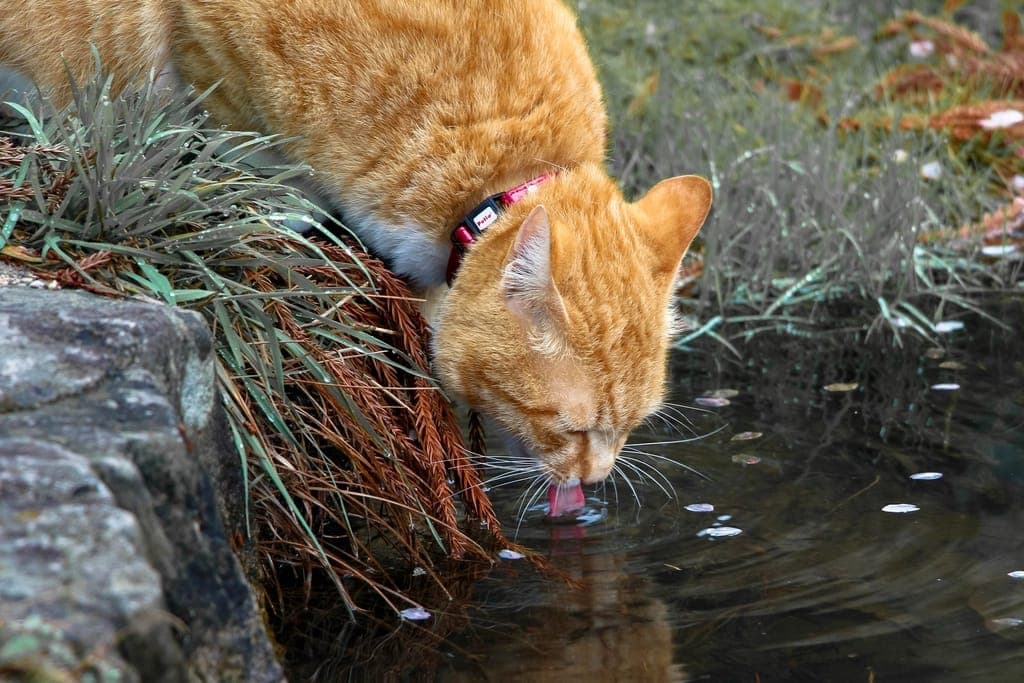
Are Pet Water Fountains Worth It?
Why cats drink more from moving water, the weekly cleaning nobody mentions, and the free fixes to try first.
Best pet hair vacuum under $200
Best Pet Hair Vacuum Under $200 (October 2026)
Tangle-resistant brush roll beats raw suction. Five picks under $200 and the filtration that matters for allergies.

Think we got a pick wrong, or spotted one that is out of stock or over its ceiling? Tell us - corrections go to the front of the queue.