Watches
Are Cheap Automatic Watches Worth It?
Yes, above a specific price - and the reasons people buy them are not the reasons the marketing gives.
By Brijon M. - Published October 2, 2026

The short answer
Above about $120, yes. That is where you get a serviceable Japanese movement, a steel case that will not wear through, and usually hand-winding and hacking. Below roughly $100 the compromises in crystal, case and bracelet stack up quickly, and a good quartz watch is the better buy at that price.
Be clear about what you are buying
An automatic watch is a machine that stores energy in a spring, wound by the motion of your wrist, and releases it through an escapement that ticks several times a second. It is a genuinely remarkable piece of engineering and it is also, as a timekeeper, worse than a $20 quartz watch in every measurable way.
So the honest framing is this: you are not buying accuracy, convenience or durability. You are buying a mechanical object that runs without a battery, has a sweeping second hand, and can in principle be repaired forever.
If that appeals, a cheap automatic is absolutely worth it above the price line below. If it does not appeal, no amount of movement specification will make it worth it, and a quartz watch is the correct purchase.
Quick picks
The short version. Tap any row to jump to the full write-up, or go straight to Amazon to check the current price.
| # | Product | Best for | Price |
|---|---|---|---|
| 1 | Seiko 5 Sports SRPD Hand-winding, hacking and 100m, right at the line this page describes. | Where cheap automatics start making sense | |
| 2 | Orient Kamasu Sapphire, 200m and an in-house movement for well under $500. | Best cheap automatic overall |
We do not print prices on this site. Every button opens the live Amazon listing so you see the real price at the moment you click. See our affiliate disclosure.
1. Where cheap automatics start making sense
Seiko 5 Sports SRPD
Hand-winding, hacking and 100m, right at the line this page describes.
- Seiko 4R36
- 100m
- Hand-wind + hacking
- Steel case
This is the watch that sits exactly at the price where a cheap automatic stops having excuses. The 4R36 adds hand-winding and hacking, the case is properly finished, and 100m means you can swim.
If you are buying a first automatic and can stretch past $100, this is where we would send you rather than the entry models.
What you give up
Hardlex crystal rather than sapphire on most references, and a large case that wears big on a small wrist.
2. Best cheap automatic overall
Orient Kamasu
Sapphire, 200m and an in-house movement for well under $500.
- Orient F6922
- Sapphire
- 200m
- Hand-wind + hacking
The clearest answer to this page's question. Everything a mechanical watch needs - sapphire, real water resistance, a hand-winding hacking movement Orient makes itself - at a price that still counts as cheap.
At this point the word 'cheap' is doing more work than it should. It is simply a good watch.
What you give up
The clasp is the weak component, and the movement is finished industrially with no decoration.
Where the line sits, and why
Below about $100, affordable automatics move to plated cases, acrylic or thin mineral crystals, hollow folded bracelets and unregulated movements. The movement itself is usually fine - often a Seiko NH-series or a Miyota - but everything around it is compromised, and the result is a watch that looks visibly tired within a year.
At $120-$200, the picture changes. Steel cases, Hardlex or sapphire crystals, and movements with hand-winding and hacking. This is where a cheap automatic stops having a flaw you have to excuse.
At $300-$500, the movement is typically regulated at the factory, sapphire is standard, and the bracelet is solid. This is the point at which a mechanical watch is simply a good watch rather than a good cheap watch.
The step from $90 to $150 is the most valuable in the category, and it is bigger than the step from $150 to $400.
How accurate will it actually be?
This is the question that surprises people most, so here are real numbers rather than reassurance.
An unregulated budget automatic typically runs between -20 and +40 seconds per day. Over a week that is up to five minutes. This is normal and is not a defect - it is what the manufacturer specifies.
A regulated budget automatic at $300-$500 usually runs -10 to +25 seconds per day, and many do considerably better.
A chronometer-certified movement, which starts well above these prices, runs -4 to +6 seconds per day.
Any quartz watch, including a $20 one, runs about 15 seconds per month.
If a watch running four minutes fast by Friday would bother you, buy quartz. If it would not, the mechanical watch is the more interesting object and nothing is lost.
One useful note: a watchmaker can regulate most budget automatics for a modest fee, which often brings a wayward watch into single-digit daily accuracy. It is the cheapest meaningful upgrade available for a mechanical watch.
The servicing question nobody mentions
A mechanical watch needs servicing - the movement stripped, cleaned, re-lubricated and reassembled - every five to seven years by manufacturer recommendation. On a $90 watch, that service costs more than the watch is worth.
In practice, most owners of budget automatics never service them. They wear the watch until the accuracy drifts badly or it stops, and then replace it. That is a reasonable way to own a cheap mechanical watch, and it is worth deciding up front that this is what you are doing.
Where it matters is if you intend to keep the watch for decades. In that case the servicing cost over a lifetime dwarfs the purchase price, and buying a $400 watch you will maintain is a different proposition from buying a $90 watch you will replace. Neither is wrong.
What a cheap automatic genuinely gives you
No battery, ever. It runs on your movement, and if you set it down for two days it stops and you wind it. Some people find that charming and some find it annoying.
A sweeping second hand. Budget automatics tick six or eight times a second, which reads as a smooth sweep rather than the once-per-second step of quartz. It is the most visible difference and the one most people actually buy them for.
A movement you can see. Exhibition casebacks are common at this price and are a significant part of the appeal.
Repairability in principle. A Seiko NH35 can be serviced by any watchmaker anywhere, indefinitely.
If you want the full picture of what you do and do not get for the money, cheap vs expensive watches lays it out attribute by attribute.
Common questions
+Are cheap automatic watches worth it?
Above about $120, yes - you get a serviceable movement, a steel case and usually hand-winding and hacking. Below $100 the surrounding compromises stack up and a quartz watch is the better purchase at that price.
+How accurate is a cheap automatic watch?
Typically -20 to +40 seconds per day unregulated, improving to roughly -10 to +25 on regulated movements at $300-$500. For comparison, any quartz watch holds about 15 seconds per month. That gap is normal and expected.
+Do I need to service a budget automatic?
Manufacturers suggest every five to seven years, and on a sub-$150 watch the service costs more than the watch. Most owners wear them until they stop and replace them, which is a reasonable approach if you decide on it deliberately.
+What happens if I do not wear it for a few days?
It stops. Budget automatics hold roughly 40 hours of power reserve, so a watch left off from Friday evening is stopped by Sunday. You wind it and reset it, which takes a minute. Some people find this charming; others find it a reason to buy quartz.
+Is an NH35 movement any good?
Yes - it is Seiko's workhorse automatic, used by dozens of brands, and it is robust, serviceable by any watchmaker, and accurate enough once regulated. Seeing NH35 or NH36 in a specification is a good sign rather than a cost-cutting one.
Sources
Read next
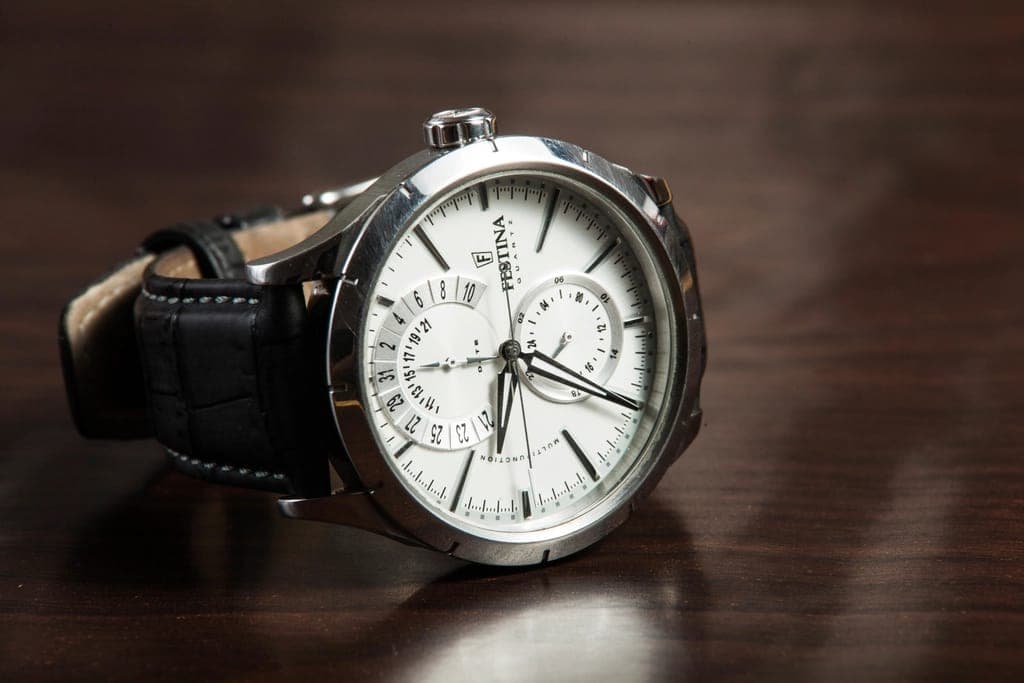
Watches
Are Cheap Watches Worth It?
Yes - and here is the reasoning, where the quality line sits, and the four specs that decide it.

Best automatic watches under $500
Best Automatic Watches Under $500 (October 2026)
Where a mechanical watch becomes something you keep. Five picks and the four specs you should expect at this price.

Best men's watches under $200
Best Men's Watches Under $200 (October 2026)
Where sapphire and solid bracelets become standard. Five picks and what the extra $100 actually buys.
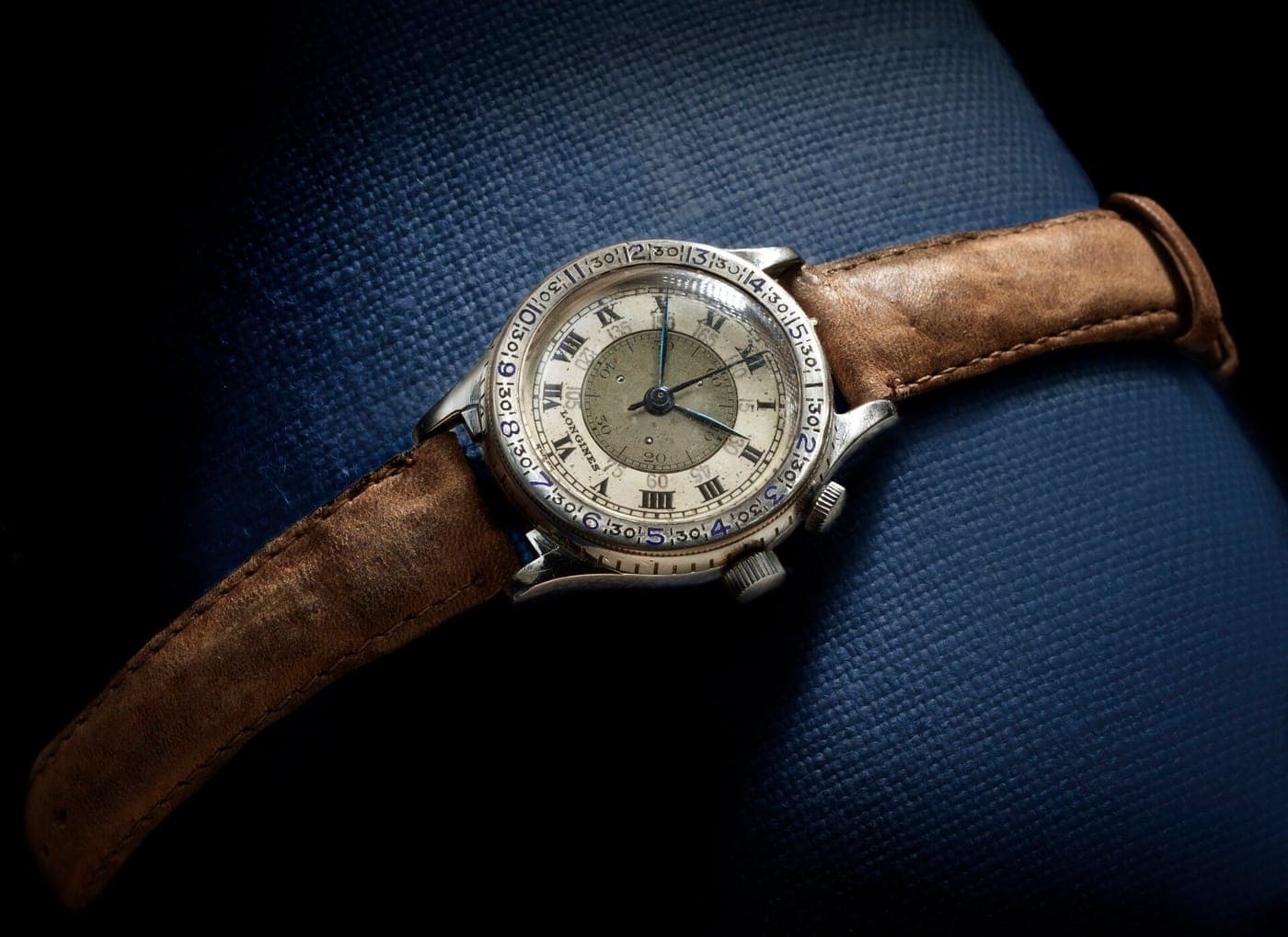
Category
Watches
Mechanical, quartz and dive watches where the money goes into the movement instead of the marketing.
Think we got a pick wrong, or spotted one that is out of stock or over its ceiling? Tell us - corrections go to the front of the queue.