Pet
Automatic vs Manual Cat Litter Box
An automatic box buys you back two minutes a day for several hundred dollars. For some households that is obviously worth it, and for others it clearly is not.
By Brijon M. - Published October 11, 2026
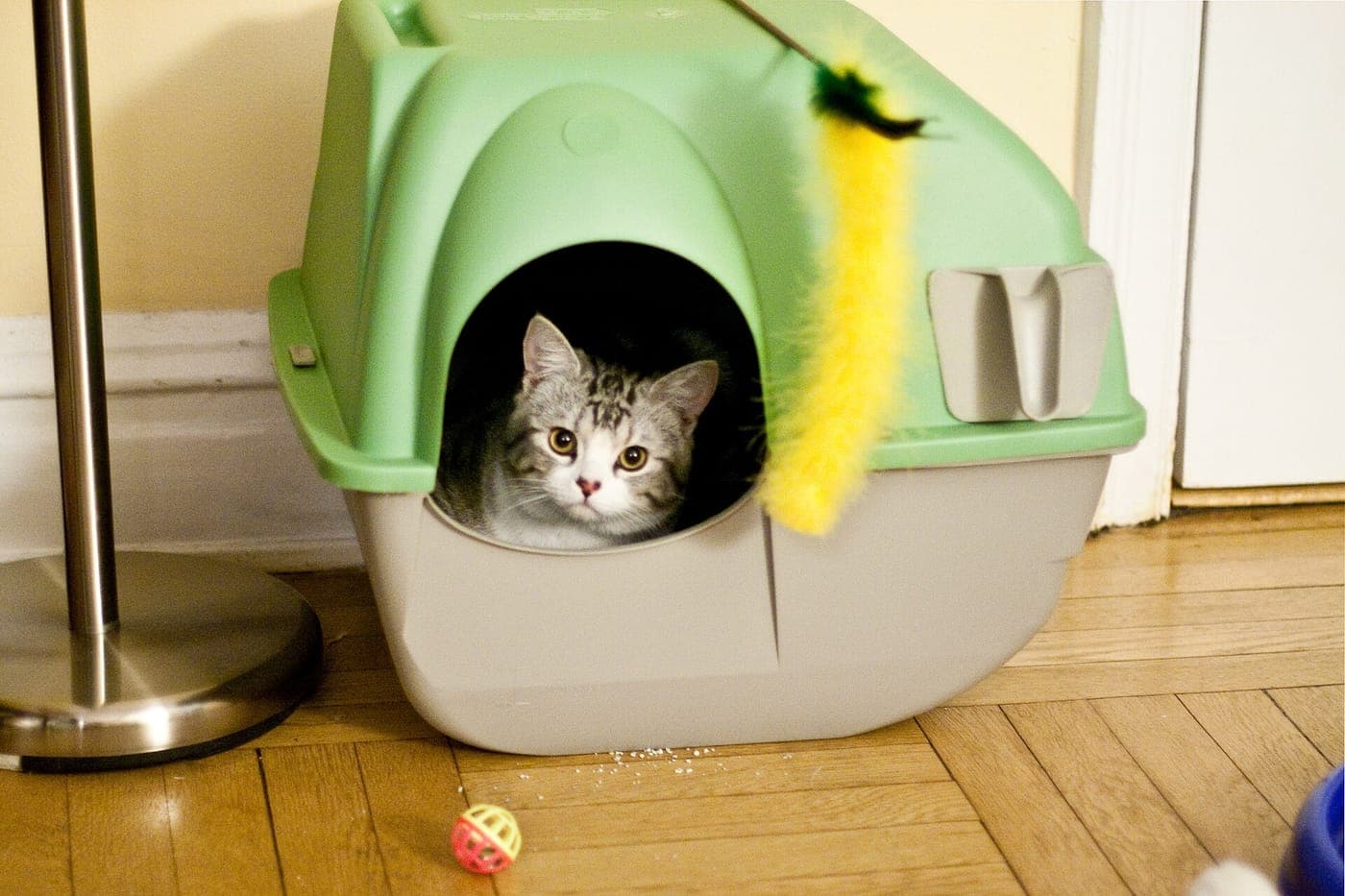
The short answer
A manual box scooped daily is the better buy for most households: it costs under $30, works with any litter, never breaks, and no cat refuses one. An automatic box is worth $200-700 if you have several cats, limited mobility, or a genuine reason to avoid handling waste - but a meaningful minority of cats will not use one, and the ongoing cost of proprietary liners and filters is real.
Disclosure: we earn commission on qualifying purchases made through the links below, at no extra cost to you. It never changes the order of our picks - here is how that works.
What an automatic box actually does
It is worth being precise, because the marketing implies more than the product delivers.
A self-cleaning box rakes or sifts clumped waste into a sealed internal drawer, usually a few minutes after the cat leaves. That is the whole function. The benefits that follow from it are real: waste is removed within minutes rather than hours, which is the main driver of litter-box odour, and you handle it once a week or so instead of daily.
Better models add per-cat usage tracking, which is genuinely useful - a change in frequency or duration is often the first visible sign of a urinary problem, and that is a legitimate health argument rather than a convenience one.
What it does not do: it does not eliminate cleaning. The drawer has to be emptied, the rake and sensors need wiping, litter still has to be topped up and fully changed periodically, and the unit itself needs washing out. The claim is less cleaning, not no cleaning.
What it also does not do: work with any litter you like. Automatic boxes need a litter that clumps hard and sifts cleanly, which rules out most non-clumping, crystal, paper and some plant-based litters. If your cat is particular about litter type, check compatibility before you spend.
The cat's opinion is the deciding factor
This is the part that gets underweighted, and it is the one that most often turns an expensive purchase into an expensive mistake.
A significant minority of cats will not use an automatic box. The movement and noise of the raking cycle, the enclosed shape of most units, and the change in the familiar routine are all things cats can object to, and a cat that decides against the box will find somewhere else - which is a far worse outcome than scooping.
Startle-prone cats are the highest risk. If your cat bolts at the vacuum cleaner, think hard.
Size matters too. Many automatic units have a smaller usable floor area than a large open tray, and a big cat needs a box at least one and a half times its body length. Several automatic boxes are genuinely too small for a Maine Coon.
Kittens and elderly cats are often excluded by the manufacturer, kittens because the sensors and mechanism are not designed for them and older cats because the step-in height is high.
The mitigation: keep the old manual box, in the old place, for several weeks after the new one arrives. Let the cat choose. Never remove the familiar option to force the new one.
Quick picks
The short version. Tap any row to jump to the full write-up, or go straight to Amazon to check the current price.
| # | Product | Best for | Price |
|---|---|---|---|
| 1 | A large open manual tray plus a metal scoop Under $30, works with any litter, and no cat has ever refused one. | Buy manual for almost every household | |
| 2 | A covered manual box with a litter mat Most of the odour containment of an automatic box, for a fraction of the price. | Best compromise on odour and mess | |
| 3 | A self-cleaning automatic litter box Genuinely transformative for the right household, at a genuinely high price. | Buy automatic if you have several cats or limited mobility |
We do not print prices on this site. Every button opens the live Amazon listing so you see the real price at the moment you click. See our affiliate disclosure.
1. Buy manual for almost every household
A large open manual tray plus a metal scoop
Under $30, works with any litter, and no cat has ever refused one.
- Open tray, 1.5x cat body length
- High sides, low entry
- Any litter
- Metal slotted scoop
The case for the manual box is strong and it is mostly about the box being large and open. Most litter-box problems people blame on the cat are box problems: too small, too enclosed, too dirty, or in a bad place.
Buy it at least one and a half times your cat's body length, nose to tail base. Most commercially sold boxes are too small, and an under-sized box is the most common reason a cat goes elsewhere.
High sides and a low entry contain scatter without making the cat climb - important for an older cat with stiff joints.
A metal slotted scoop rather than plastic. Plastic scoops flex and snap, and the slots are usually too narrow.
Scoop daily, change fully every few weeks, and this is a solved problem for $25.
What you give up
Requires you, every day, without exception - and a box left unscooped for two days is both unpleasant and a reason for a cat to stop using it. No odour containment beyond the litter itself.
2. Best compromise on odour and mess
A covered manual box with a litter mat
Most of the odour containment of an automatic box, for a fraction of the price.
- Hooded or top-entry tray
- Carbon filter in the lid on some models
- Litter-trapping mat
- Under $50 together
If the reasons you are considering an automatic box are smell and tracked litter rather than the scooping itself, this solves both for well under $50.
A hood contains odour and scatter, and a carbon filter in the lid helps further. A textured mat in front catches the litter that comes out on paws, which is most of the tracking problem.
The caveat is real: some cats dislike hoods, because an enclosed box is harder to escape from and concentrates smell inside. If you have more than one cat, the hooded box can also become a place one cat ambushes another.
Try it, keep the open box available, and let the cat decide.
Our how to choose a cat litter box guide goes through the shapes in detail.
What you give up
Enclosed boxes concentrate odour for the cat even as they reduce it for you, and some cats refuse them outright. Top-entry designs exclude kittens and arthritic older cats entirely.
3. Buy automatic if you have several cats or limited mobility
A self-cleaning automatic litter box
Genuinely transformative for the right household, at a genuinely high price.
- Rakes or sifts into a sealed drawer
- App and per-cat tracking on better models
- Needs hard-clumping litter
- $200-700
Where this earns its money: a multi-cat household, where daily scooping is a real chore and odour is a constant battle; a household where someone has limited mobility or cannot bend to a floor-level tray; and a household where someone is pregnant or immunocompromised and has been advised to avoid handling cat waste.
Per-cat usage tracking is the underrated feature. In a multi-cat home you cannot otherwise tell which cat is going more often or straining, and that information is frequently the earliest sign of urinary trouble.
Buy from a brand with a real warranty and available parts. This is a machine with motors and sensors in a corrosive environment, and the cheap end of the automatic market fails.
Check the internal floor dimensions against your cat, not the external size.
Then keep the old box for a month and let the cat vote.
What you give up
Ten to twenty times the price of a manual box, a substantial footprint, an audible cycle, branded liners and filters as an ongoing cost, and firmware and motors that can fail. A meaningful minority of cats simply refuse to use one.
Side by side
Buy manual if...
You have one or two cats and you are home daily. Two minutes a day is the whole cost, and it comes with a diagnostic benefit - you see what comes out of your cat, every day, which is how people notice problems early.
Your cat is particular about litter. Automatic boxes need hard-clumping litter. If your cat will only use crystal, paper or a specific plant-based litter, the decision is made for you.
Your cat startles easily. The risk of a cat refusing the box and going elsewhere outweighs the convenience.
You have a kitten, or an elderly or arthritic cat. Most automatic boxes exclude kittens by design, and the step-in height is a real barrier for a stiff older cat.
You live in a small flat. Automatic boxes are large, and they have to go somewhere with a power socket - which in a small space often means somewhere a litter box should not be.
You would rather spend the money on the cat. $300 is a lot of good food, a vet visit, or a very nice cat tree.
Buy automatic if...
You have three or more cats. This is the strongest case. Scooping multiple boxes multiple times a day is genuinely burdensome, odour is harder to stay ahead of, and per-cat tracking gives you information you cannot otherwise get.
Someone in the house cannot do the scooping. Limited mobility, a back problem, or an inability to bend to floor level turns a two-minute job into an impossible one, and this is exactly what the product is for.
Someone has been advised to avoid cat waste. Pregnancy and immunosuppression both come with that advice, and a sealed drawer emptied weekly is a meaningful reduction in exposure. Take the specifics from your doctor, not from us.
Your cats are young, confident and use a clumping litter already. The acceptance risk is lowest here.
You travel often and someone else feeds the cats. Reducing the care burden on whoever is covering for you is worth something.
Either way, the box has to be the right size and in the right place, and how to choose a cat litter box covers both. The best cat litter box under $100 is where to look if you have decided to stay manual.
The things that matter more than the box
Whichever you buy, these determine whether litter-box arrangements work, and all of them are free.
One box per cat, plus one. This is the standard veterinary recommendation and it is the single most effective intervention in multi-cat households. Two cats, three boxes.
Size it properly. At least one and a half times the cat's body length. Most boxes sold are too small.
Place them apart, and away from food and water. Boxes lined up next to each other count as one box to a cat. Spread them across the house.
Not in a cupboard or a corridor with one exit. Cats want to see the room while they are vulnerable, and a box with one escape route is one a bullied cat will avoid.
Scoop daily, whatever the box. Even an automatic box needs its drawer emptied and its sensors wiped.
A cat going outside the box is a health question first. Urinary problems, arthritis and cognitive decline all present this way. Vet before pet shop.
Common questions
+Are self-cleaning litter boxes worth it?
For multi-cat households, people with limited mobility, and anyone advised to avoid handling cat waste, yes. For a one-cat household where someone is home daily, the $200-700 buys back about two minutes a day - and a meaningful minority of cats refuse to use one.
+Do cats like automatic litter boxes?
Many are fine with them, and a significant minority are not. The raking noise, the movement and the enclosed shape are all things cats can object to, and a cat that refuses will go elsewhere. Keep the old box available for several weeks and let the cat choose.
+How much do automatic litter boxes cost to run?
Litter, plus branded waste liners and carbon filters on many models, which can add up to a substantial annual figure. Check whether the unit requires proprietary consumables or works with a plain bin bag before you buy - the difference over five years is large.
+Can you use any litter in an automatic litter box?
No. They need a litter that clumps hard and sifts cleanly, which rules out most non-clumping, crystal, paper and some plant-based litters. If your cat only accepts one of those, a manual box is the only option.
+How many litter boxes do I need?
One per cat plus one is the standard veterinary recommendation, placed apart from each other and away from food and water. Boxes side by side count as one to a cat. This matters more for avoiding problems than which type of box you buy.
Sources
Read next
Pet
How to Choose a Cat Litter Box Your Cat Will Actually Use
The size rule most boxes break, the honest case for and against a cover, and how many boxes a household needs.
Best cat litter box under $100
Best Cat Litter Box Under $100 (October 2026)
Bigger than you think, open rather than hooded, and why cheap self-cleaning boxes cause problems.
Best cat tree under $100
Best Cat Tree Under $100 (October 2026)
Stability beats height. Five cat trees under $100, with published weight limits and the sisal-versus-carpet call.

Think we got a pick wrong, or spotted one that is out of stock or over its ceiling? Tell us - corrections go to the front of the queue.